What is a fine rosé, and what do they look like in 2026? For tasting notes on a selection of the rosés we think are worth looking out for, click here to jump to the tasting notes. This half of the report concerns still rosé only – part two, on sparkling, follows in January 2027.
And if you want to taste a selection of these wines yourself – come to our (trade-only) Fine Rosé Day, on 16 November in London. Email us for details and to RSVP.
The category has its ups and its downs
Amid the never-ending news of rosé’s success, you might be forgiven for assuming that fine rosé is growing with it.
The trade press is full of enthusiasm – Vitisphere reports rosé holding its own in the UK even as the wider market retreats – and the forecasts agree with it. Fact.MR‘s Europe Rosé Wine Industry Analysis 2025-2035, published last autumn, put European rosé sales at USD 4.8 billion in 2025 and projected USD 6.9 billion by 2035 – a 43.8% increase, or compound annual growth of 3.7%. The growth, they say, will be led by premium and still rosé.
The reasoning rests on lifestyle: rosé as the ultimate lifestyle wine, bought for what it signals as much as for what it tastes of.
Ask who is driving that growth and the same names come back: Whispering Angel (Château d’Esclans), Mirabeau, AIX, Minuty, Miraval. They are consistent, they are well made, and they are recognisable – the benchmark against which commercial rosé is measured. Premium, in these trade analyses and reports, is largely a function of price, marketing ambition and, we would suggest, notoriety. Rosé is often accused of being “all marketing” – we believe that budgets devoted to the category are on par with those devoted to reds and whites; they are simply much more visible.
There are signs of movement. The Vinexpo Market Report 2025 ties premium growth to wines it calls gastronomic – barrel ageing, ageing on fine lees, careful variety selection – and finds that nearly 28% of premium rosé in France is now drunk with a meal, against 45% as an aperitif. FranceAgriMer reports rosés of more intense colour growing at 12% a year, with the palest blush pink down to 35% of sales and the darkest at 15%. Neither figure says anything about quality. Both suggest a widening acceptance of styles beyond the benchmark – and specialist shops and sommeliers are where those styles find their buyers.
The glass ceiling on price is real, but the harder barrier is stylistic: a market trained on five names does not easily accept a sixth that tastes different.
The truth, then, is less comfortable than the forecasts suggest.
A number of producers have stopped making their top rosé because they have struggled to sell it. Château Escarelle’s La Croix d’Engardin and Château La Martinette’s Reflets d’Argens are both still available, but neither has been made for several vintages. Others have moved to producing their top wine only every second year. One of our favourite producers in Provence was blunt about why:
“c’est pas tous les jours qu’on en vend, du rosé à 38 euros […] donc on a décidé d’en faire une année sur deux.” (It’s not every day you sell rosé at 38 euros, so we decided to make it every other year.)
A vibrant fine rosé scene hides a less-than-cohesive market, as producers seek to make a wine that achieves both quality and individuality.
Some focus on historic traditions, others compete with the successful rosés of Provence. And many of those now cutting back were never quite certain why they started. For the most part we think they were following a trend, doing what they took to be the right thing, and testing how customers would respond to a timidly introduced new wine. Few believed in the concept of a fine rosé at all – which does not make the market any easier for those who did. Making and selling fine rosé requires conviction and investment in the category, not a timid addition to a portfolio. It is easy to look back at the success of pioneers such as Château d’Esclans with envy – but the huge costs and work of the team that set it up cannot be overstated. Their hard work has paid off and should not be forgotten.
In some cases, rather than discontinue the top label, the style or colour of the top wine has been rolled back to a more fashionable middle ground, while preserving the label and price tag. We see this as the beginning of a catch-22, where a hard-to-sell distinctive wine slowly loses its identity for the sake of approachability or short-term sales. Pibarnon’s Nuances, for instance, has moved away from Stockinger oak in favour of amphora. To our taste the result sits closer to the reductive, early-drinking style now common across Bandol – more approachable young, but with less of the ageing potential the earlier vintages showed.
The success of ordinary rosé is what makes fine rosé hard to sell. The category that made pink wine commercially relevant trained the trade to move it on colour and price, and its success depended on working with it differently to red and white – a lesson that must often be unlearned when dealing with premium cuvées or fine rosés.
We understand that economics matter. But although standard rosé is generally the same colour as fine rosé, they are not the same market, and they require very different sales techniques to different customers.
Where the 2023 report revealed Rioja to be a stellar region, this one adds a larger number of fine wines from Mantinia in Greece, and more from Provence and England.
We first visited Mantinia three years ago – a real voyage of discovery exploring the green and verdant high altitude plain, with vineyards interspersed with fruit and nut orchards. Moschofilero was the prime variety, and we tasted a few fresh grapey wines with a beautiful taut freshness. What at first appeared to be a unique discovery of one or two long skin contact gris rosés grew into a discovery of a number of producers experimenting with it, making wines from white through pale pink and dark golden pink to light red. Its success has meant that the grape is now also being considered in Provence, to contribute fresh fruitiness to the rosés. Producers such as Troupis, Bosinakis, Zacharias, Nestor and Novus all showed just how exciting these wines can be.
These wines range from serious and structured with longer skin contact (such as from Troupis) to elegant, ethereal, perfumed and precisely the sort of rosé you want for a scorching summer. They all have one thing in common: utterly reasonable pricing, as Mantinia has not yet earned the attention on the international rosé scene that it deserves.
English rosé, however, is not inexpensive. Buoyed by a vibrant local consumer market and the success of sparkling wines, these rosés are often excellent – but rarely where we would look if value for money is the key concern. Prices tend to start around £20 and, with exceptions such as The Heretics’ Cantillon at £32, rarely climb much higher; Balfour’s excellent Nannette’s sits in between at £25. The same argument is often levied at Provence: prices rise every year, and it is a region that has built its success on marketing rather than on the quality of the wines. We disagree, for the most part. It is still a region home to many great rosés, often at surprisingly good prices, and indeed 70 of the wines in this report – nearly half – come from Provence alone.
Some countries figure rather more, or rather less, in tastings of fine rosé, and within this report, than their rosé volumes might suggest. France, the world’s largest rosé market, is surprisingly quiet, other than a few hotspots in Provence (naturally!), Champagne and the Rhône valley. There are plenty of great rosés around France, but they tend to be the exception in a sea of unremarkable wine. The main emphasis in a fairly conservative market is to follow in the footsteps of Provence. This could explain why Tavel, with its very different style, struggles.
Northern Spain, Portugal, Greece, England and Austria all feature as genuine hotspots of quality, where we greet exciting, fine rosés with enthusiasm rather than surprise. Navarra, long regarded as the source of cheap fruity rosés bled off the reds, is now experiencing a seriously exciting boom in fine, age-worthy rosés – Gonzalo Celayeta, whose views on where fine rosé is made appear below, among those responsible. We would caution, however, against too much enthusiasm. The new wave of sublime rosés, crafted with care and attention and a true joy in the glass, have, for the most part, paid the price that Tavel wrestled with for years: their quality has come at the expense of colour.
Navarra, formerly the preserve of dark-but-sometimes-clumsy rosés, is now the home of outstanding-but-generically-pale wines. Has its quest for rosé in the glass (and commercial success) come at the cost of its identity? A swing in fashion back towards darker, more intense wines could leave Navarra, like Tavel, stuck between two worlds. Fine rosé is, as we later discuss, a category which depends as much on history and soul and a conversation around the wine as on the contents of the glass itself; we are left encouraged by the progress in Navarra, but cautious about what the region’s next step will be.
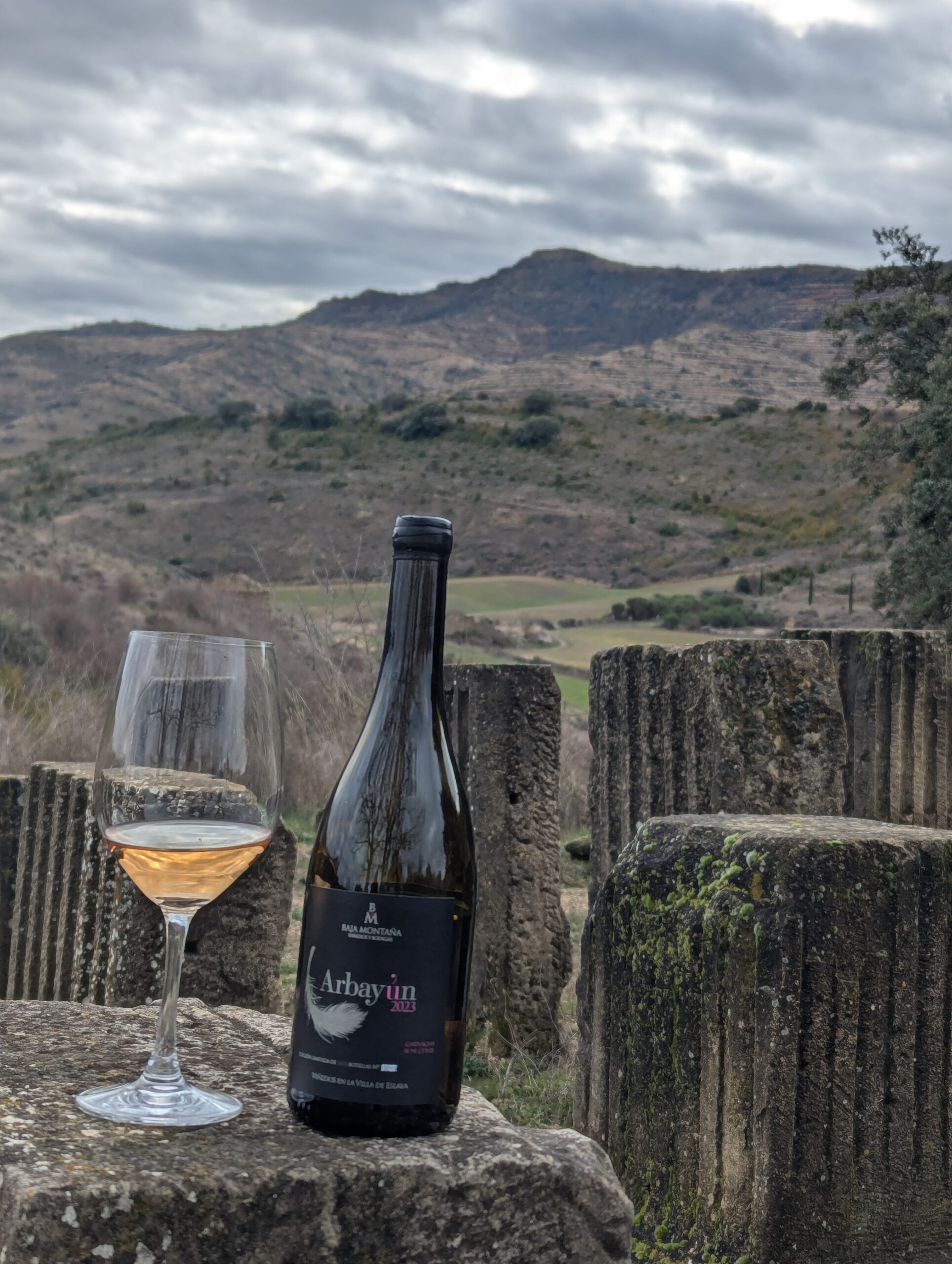
The wines in this report are a small minority of the rosés we have tasted over the past year – this year, just over a thousand. Many rosés did not make the cut, in two main categories: rosés that were on paper not fine wines, and rosés that on paper ticked many boxes of a fine rosé, and yet disappointed in the glass. Many of this second category still enjoyed lofty prices and good reputations. Although we are staunch defenders of Bandol, its reds, and indeed many of its rosés, origin, hand-tended old vineyards, and pricepoint alone do not make a fine rosé.
What is a fine rosé?
A fine rosé is a wine made as a wine rather than as a colour; it is built to hold attention rather than to purely refresh; and it is a different product from standard rosé in everything but hue.
No amount of paperwork rescues what is not there in the glass. That said, the mere existence of paperwork is itself a criterion: a producer who is transparent about the grapes’ origins, the winemaking process, the philosophy behind it, the choice of barrels or even what inspired the wine is showing a greater sign of fineness than recommended food pairings or vague allusions to the wine’s suitability to a beach club or the estate’s (often imagined) proximity to Saint Tropez.
Fine wines deliver in the glass, but most importantly they spark a conversation. The joy is not simply in the consumption, it is in its discovery, its purchase, and the understanding of its history derived from a conversation with the winemaker or an insight into its terroir. It is not sufficient to taste good in a glass: a fine rosé should deliver poetry about its origins and its story.
Despite this, it is worth remembering that rosé sprang to fame by being none of these things. It was there to be enjoyed, unpretentious in its simplicity. Pretty, joyful, fun. A crowd-pleasing thirst-quencher for hot days. Some fine rosé can excel at this job – but they all go further.
In the glass
Can a fine rosé be defined in terms of taste?
We have to account for our own preferences, which means recognising beauty in styles we would not always choose to drink. Some wines do not shine in a blind tasting environment but open up with decanting and with food; great rosés need to be treated with time and respect.
Complexity of style, through winemaking or through age, gives a rosé greater interest at the table, with flavours ranging from austere and saline to nutty and rich with dried fruit.
The range runs from the minimalist elegance of top Provence – Domaines Ott* and Château Sainte Marguerite are good examples – to wines built to the same rulebook as top reds and whites, often aged in oak. Many dislike oaked rosé; we happen to love it for the richness and depth. The oak need not be powerfully evident, and can contribute subtle weight and texture instead: from the long-aged Gran Reservas of Rioja to the newer oak of Garrus.
Fine rosé is, in our mind, first and foremost defined by complexity. These are wines that aren’t simply fruity, or leathery, or tertiary, or citrussy – nor even elegant, refreshing, or saline. They are a combination of these things, and many more. Tertiary aromas (nuttiness, marmalade, spice) should feel natural rather than tired, and they should complement the fruit rather than replace it.
Fine rosé is also balanced. These aren’t thirst-quenching wines with plentiful acidity that steamrollers the tannins, the texture, the body. We expect texture and structure, and confidence that holds through the finish.
There is a very subtle line between technical perfection and predictability, and I think the most compelling rosés sit right on that line. I look for wines where small imperfections, or simply less conventional choices in the vineyard and cellar, become part of the wine’s complexity rather than faults to be corrected. I want depth, tension and personality, a wine that reveals something more with every glass rather than one that is simply flawless and easy to drink.
Augusto Gherardi, Beverage, Culture and Experience Curator (we did not pay him to agree with us – but every single word matches our beliefs too)
Most importantly, they are wines that make us stop and think while tasting. Wines that evoke a sense of place or history, where the wine conjures up images in the glass. Many sommeliers would call these wines gastronomic (and Elizabeth is keener on the term than Ben): well-enough made to hold up to a variety of foods, even elevating them, in a way a red might overpower and a white might lack the charm or red fruit to manage.
Ripeness of fruit, harvest dates and alcohol levels are increasingly problematic. Market demand for lower alcohol has resulted in high acidity and sometimes unripe fruit, and in poor examples aromatic yeasts, grape varieties or residual sugar are deployed to cover the greenness. To our minds this harks back to the old days, when residual sugar was maintained to mask the excess tannins of juice bled off red wine.
Slightly riper fruit and tannins are good where there is extra maceration to avoid unripe tannins. But there is a fine balance: longer maceration provides more intense, sometimes opulent fruit, while fear of any tannin at all robs the wine of the whisper of structure needed to support that fruit.
While Grenache and Garnacha remain key varieties, members of the Muscat family are certainly worth looking out for: Moschofilero across Mantinia, the Roter Muskateller of Weingut Georg Weinwurm’s Hommage, and the Moscatel of Celler les Freses in Catalonia.
Two shortcuts: the bottle, and the colour
The bottle
First, the elephant in the room. Almost invariably, and quite simply, rosés bottled in dark feuille morte (dead leaf), brown or green glass are better, finer, more age-worthy and more intriguing than their counterparts in clear glass. Lightstrike, signalling, philosophy – the reason doesn’t matter. Dark glass equals, on the whole, fine rosé. In all our years of tasting, fewer than half a dozen rosés in dark glass have left us feeling betrayed by their packaging.
Clos Cibonne has kept its feuille morte glass since its first bottlings in the 1930s, resisting every pressure to move to clear. The bottle and the old label now mark the wines out as icons.
Dark glass is not a single signal, though. Some of these wines – the Tavel cooperative’s A La Mano, for instance – are fun, fruit-driven and concentrated, bottled dark to say that they share a register with a light red rather than with a complex rosé. Guillaume Demoulin at Château Trinquevedel in Tavel has been championing the idea of bottling Tavel destined for cellaring in dark glass, and Tavel aimed at youthful drinking in clear glass. The idea is slowly but surely gaining traction.
Others are very well made but still aiming at freshness, elegance, citrus or perfume: premium versions of summery rosés, such as Eau de Provence’s L’Exclusive or Lacules Single Vineyard. In other cases the choice has nothing to do with fineness at all. Château du Galoupet’s cru classé and its G are in dark glass for the sustainability credentials and the lighter carbon footprint.
Nor is all rosé in clear glass bad. Garrus, Clos du Temple, Tempier and Tondonia are all in clear glass. We beseech them to reconsider – for the longevity of their wines, for their carbon footprint, and, most of all, for the sake of the wider fine rosé category.
For more on lightstrike in particular, read Susie Barrie MW and Peter Richards MW’s investigation into the subject.
Colour
Colour, as always, is controversial for rosé. Once a signal of modernity and good winemaking, paleness is now increasingly associated with commercial wines, dilute fruit and wines that lack conviction. To seek out a dark rosé, though, is to embark on a lonely and perilous path – and not one that necessarily leads to complexity, fineness or quality.
“Just because it’s premium doesn’t mean it needs to have less colour”
Frederico Nuno, Quinta das Baigeras
Winemakers are increasingly finding ways to make exciting wines that are pale: gris grapes, including one of our absolute favourites, Moschofilero; white grapes, common in Rioja, Tavel and parts of Provence, where the blend is known as blouge; or earlier harvesting with cryomaceration, to mixed results in fine rosé, as these wines often simply taste unripe.
It is worth pointing out here one of the most historic rosé appellations, Rosé des Riceys in southern Champagne, whose particular treatment of Pinot Noir involves partial fermentation on the skins, creating the original summer red, winter rosé style. Cerasuolo d’Abruzzo, another historic appellation, traditionally makes a dark, tannic rosé. Tavel makes rosés of every shade, from long skin contact wines with a high percentage of white varieties, through mid-depth fruity wines, to wines verging on light red, with Éric Pifferling leading the way on long maceration. Red wine lovers favour the darker styles.
Colour no longer indicates style. It has no real bearing on sweetness, nor on ripeness, nor on length of skin contact. The rise of chilled reds has blurred the lines further. A dark rosé is no longer necessarily a serious wine built on prolonged skin contact; it may equally be a red stretched thin in pursuit of elegance and buvabilité. That your rosé is as dark as a light Beaujolais does not make it complex and age-worthy, any more than it condemns it to bubblegum fruit and clumsy residual sugar.
We are not saying that pale is bad and dark is good, and we are certainly not saying the reverse. Don’t judge a wine by its colour: it tells you nothing about what is in the glass, even if, as Navarra is discovering, it still tells you something about where the wine came from. If you want a shortcut, look at the bottle rather than what is in it.
Three tests
Our most important question in assessing whether a rosé is a fine rosé is to ask the producer themselves. “Is your rosé a fine wine?” or “does it have aspirations of fineness?” Both are usually answered honestly and accurately. On occasion, simple wines from ambitious producers are presented as fine simply because they are associated with that producer’s prestigious reds, or because the producer believes that a fine rosé should share more of its winemaking pedigree with their entry-level rosé than their top of the range reds. We should be plain that this makes the producer’s own ambition part of our selection: a wine never presented as fine will not have been considered as one here, which is a limit on the report rather than on the category.
In October 2025 we put the question to a panel: Elizabeth Gabay MW, Pauline Vicard of Areni Global, Richard Bampfield MW and Siobhan Turner MW, chaired by Rebecca Palmer of Corney & Barrow. Three markers emerged, none of them specific to rosé: the ability to age, resale value and notoriety. It was written up particularly well on JancisRobinson.com, and also in The Drinks Business, Uncorked With Chlo, Drinks.ua and The Buyer.
Ageing
We both admit to liking a rosé with a touch of maturity, and a wine with the ability to age – in structure, in intensity of fruit, in balance – is already on its way to being fine. But judging that potential is not always easy. Some wines appear to be on their last legs and still have amazing vibrancy. Others have youthful fruit while the structure is disappearing.
Richard Bampfield MW has argued that a fine wine should be ready to drink from the moment it is released. This sits badly with our own preference for a little maturity, and it is worth being clear that we disagree. Most wine, in any colour, is drunk within twelve months of purchase – and most wine is not fine. Most red does not have the ageing potential of fine Bordeaux or Barolo, and it is that improvement with age which sets them apart from Beaujolais Nouveau or entry-level, fruit-forward reds.
We believe it is the same for rosé. There are many fabulous rosés that are stunning when young and slowly fade into obscurity as they languish at the back of the fridge. They are not fine. For us, a component of fineness is that older bottles deliver genuine joy, and not mere curiosity. There is no need for them to be perfect from the day of release.
Ten different vintages feature in this report, every one of them the current marketable vintage of the wine in question. Many of our favourite wines crowd the oldest of them, while younger wines were far more likely to fall short of the threshold we were looking for, or at least to make us pause and discuss the wine’s fineness. The very best do not taste like bottles that have been at the back of a cupboard for a decade: they are at their apogee, with exceptionally vibrant fruit supported by, rather than replaced by, tertiary notes and silky depth. We applaud producers who are only now releasing wines from 2016 – the wines deserve this patience.
Many of these wines are not made in every vintage. Sometimes, as above, the reason is commercial and the producer says so; sometimes it is the vintage itself; and sometimes, we suspect, the vintage is the polite version of the commercial answer. But vintage variation in rosé is real, and it is minimised or neglected in almost every conversation about the category. Matthieu Meyer, winemaker at Château Galoupet, put a year to it: “In 2025, we had bigger berries […] the Cru Classé was much harder to make, it was easier for entry-level wines this vintage”. The bigger berries led to slightly more Tibouren, and slightly more of the blend aged in oak, to maintain the same balance and structure. This is something else that defines a fine rosé such as Galoupet: the winemaker does not follow an identikit recipe every year, but adapts technique and style to the vintage, rather than aiming for a consistent and predictable product at the expense of individuality and character. More generally, we find that vintages rewarding concentration and small berries, and allowing slightly later harvests, are worth looking out for – 2019 is still one of our recent favourites in Provence.
The pressure runs the other way across most of the market. Producers feel obliged to release as young as they can, for cashflow and to placate trade customers keen to stock something new – this is especially true in Provence, and often lamented by producers in Bandol.
If looking for rosé with a bit of age, Spain, and Rioja in particular, stand out for their incredible commitment to properly ageing these wines. We’re also always impressed at the old library vintages of rosé kept by producers in Portugal, especially in Bairrada and the Douro, where verticals are treated with real respect.
Resale value
Old vintages of fine red and fine white are common on the secondary market. Old vintages of rosé, much less so, but exceptions exist. Pink Champagne is the obvious one – and although sparkling is the subject of part two of this report, it cannot be left out of this argument. We reckon that over half of fine rosé by value, either on release or, even more so, on the secondary market, is Champagne. The rosé trade turns a blind eye in most conversations to its most successful, prestigious, and largest-by-value component when talking about premium wines.
A tiny handful of appellations do, on occasion, crop up. Bandol, Tavel, and especially Rioja Gran Reserva are the three appellations for which older wines are on allocation rather than seen as old stock.
The Rioja figures repay a close look, because they say something more interesting than they first appear to. Aged rosado is a rounding error in the region’s output: across 2021-2025 the Crianza, Reserva and Gran Reserva categories together accounted for roughly 229,000 litres, against annual rosé sales of some 11.4 million. Nor has that total grown – it is slightly down on the previous five-year window. What has changed is its composition. Crianza has roughly halved, while Reserva has gone from negligible to around 66,000 litres and Gran Reserva has grown by half again. Longer-aged styles now account for more than half of aged Rioja rosado, against under a fifth a decade ago.
Our reading of the Consejo’s numbers, and of wider attitudes in the trade, is that this is not a category expanding. It is a category climbing. Producers are not making more aged rosado; they are ageing it for longer, and doing so while overall Rioja rosé sales have drifted down from around 13 million litres in 2011 to 11.4 million in 2025. Rosé is not “doing great”, nor is it a bubble that has burst: it is a market that is changing fast, structurally, and the wines that make up these numbers are not the same as what they used to be.
The Consejo adds a caveat that matters more than it first appears. A good number of premium rosados never enter these figures at all, either because they miss the ageing requirements or because their makers want the freedom to work with larger barrels, amphorae and the rest. The official categories capture the traditional route to fine rosado and miss the experimental one, which is precisely where much of the interesting work is now being done.
One thing is clear, however: few of these wines have resale value on the secondary market, leading us to question its relevance to the fineness of rosé. We don’t believe in resale value as a criterion, not because it is wrong about fine wine in general, but because it measures a market rather than a wine; and the rosé market is still learning. What it stands in for – the belief that a bottle will still be worth opening in ten years – is the ageing test, which we have already accepted. A rosé does not become finer because someone is willing to resell it, and Rioja’s aged rosados were fine long before anyone put them on allocation.
Notoriety and price
Notoriety is the marker we accept least willingly. It describes how the market prices fineness accurately enough – Tavel, Bandol and Rioja are famous for rosés that age, and are priced accordingly – but it cannot be part of what makes a wine fine, because it would disqualify every wine nobody has heard of yet, be that rosé or the New World.
Alberto Gherardi puts it in terms of restaurants.
A fine wine is like an excellent trattoria or brasserie where the focus is on the quality of the food and the pleasure of the experience. A premium wine is more like a Michelin-starred destination: the quality is a given, but you also pay for reputation, scarcity, positioning and the overall experience.
Alberto Gherardi
Mantinia is the case in point: these are inexpensive wines because they are ‘undiscovered’, not because they are lesser wines. Navarra is the same argument from the other side: a region whose reputation was so fixed that its reversal has gone largely unnoticed so far.
A premium rosé is not automatically a fine rosé, just as a genuinely fine rosé does not necessarily need to occupy the highest price bracket.
Augusto Gherardi
What is certain is that fine rosé can on occasion be cheap, especially from Spain and Greece. Bosinakis’ Iereia and Duende from Bodegas Pinuaga both retail under £25 or €25, although it is rare to find great, fine rosé at £15 or under – we don’t believe this report includes any at all.
How fine rosé is made
Everything in this section is a proxy. None of it guarantees a fine wine. These are the marks of a producer paying attention, rather than properties of the wine itself. Because these criteria also shaped what we sought out, their prevalence here is not independent evidence that they work. They earn their place differently: as a way of finding wines worth tasting, not as an exclusive way of deciding which are fine.
Spontaneous fermentation. It is not in itself a mark of quality, but it points away from wines using selected yeasts to build a specific fruit profile, and towards those aiming for varietal or terroir expression. It also prefers slightly warmer fermentation temperatures, another contributor to complexity in rosé. It intrigues us that so many producers insist it is impossible in rosé “because of the pH”; we are not convinced by that argument. Spontaneous fermentation often goes hand in hand, especially in old-school Tavel, with malolactic fermentation. Judiciously handled, that creates subtle depth and richness – we wrote about whether malolactic has a place in rosé for SevenFifty Daily.
Vessels. Cold fermentation in tank rarely produces a great rosé, though it can surprise – see below on what steel can do when the fruit carries the wine. Concrete and terracotta let a minimalist elegance find complexity through texture, while more porous vessels work with oxygen and temper the extremes of reduction. We wrote about this, too, for SevenFifty Daily.
Oak. Many purists, especially in the south of France, decry its use in whites and reds. We think oak is a winemaking tool or process like any other, and that it often contributes to our favourite rosés. We do however caution winemakers against its frivolous use. When associated with an otherwise unremarkable rosé, the result smells more like a sawmill (and can taste like one too) than a fine wine. Wine needs concentration, alcohol, structure, and acidity to survive the oak without being overpowered. Judicious toasting, old oak, large format or unusual woods (Château de Saint Martin always stand out for their mulberry wood barrels, a nod to the estate’s history as a silkworm farm) all contribute to this balance.
And its absence. Fineness does not always mean oak. Where it is absent, other techniques almost invariably supply what the wood would have contributed: tannin from maceration rather than barrel, micro-oxidation from other porous vessels, concentration from low yields, sweet floral notes from aromatic varieties rather than acacia or American oak – and certainly not from the yeast. Vinum Hadrianum’s Publicius Cerasuolo relies on prolonged skin contact and eight months in tank to keep purity of fruit without oak. Bosinakis’ Iereia relies on high acidity, 6.3g/l, and a floral variety to deliver a vibrancy and perfume closer to fine Riesling than to a typical Mediterranean rosé. Usually stainless steel underwhelms – these wines show that it has a place in a wine that can derive weight and complexity from the grapes themselves.
Terroir and typicity. Much as we love Provence and its wines, our ambition is not a world of wines labelled ‘Provence-style’ – a moniker now so over-used that it refers purely to pale colour and, all too often, the absence of residual sugar. We talk about the subtle variations of rosés across the region in The Rosés of Southern France. Wines should show genuine regional character, and the taste of terroir or variety is something we actively look for in a fine rosé, even if it’s in the most fashionable style. Grenache alone accounts for 28.7% of European rosé demand, which is no surprise given how much of Provence, the southern Rhône, the Languedoc and northern Spain is built on it – but a variety that widespread tells you very little about where a wine comes from, and everything then rests on what the producer does with it. Navarra conjures images of sangrado Garnacha, and we think that the very best ought to be proud of this history; they must own their identity rather than chase the fashionably pale style of the day.
Old vines. Low-yielding old vines are usually reserved for red wines, which command a higher price. Kudos to producers who spend them on rosé instead, and who think top varieties are worth the same. Old vine fruit often ends up in single-vineyard bottlings. Wines with shorter skin contact, such as most rosé, rely even more on concentration of fruit than reds do – with less skin contact to draw on, rosé depends more on the intrinsic quality of the juice, and can benefit from old vines even more than reds.
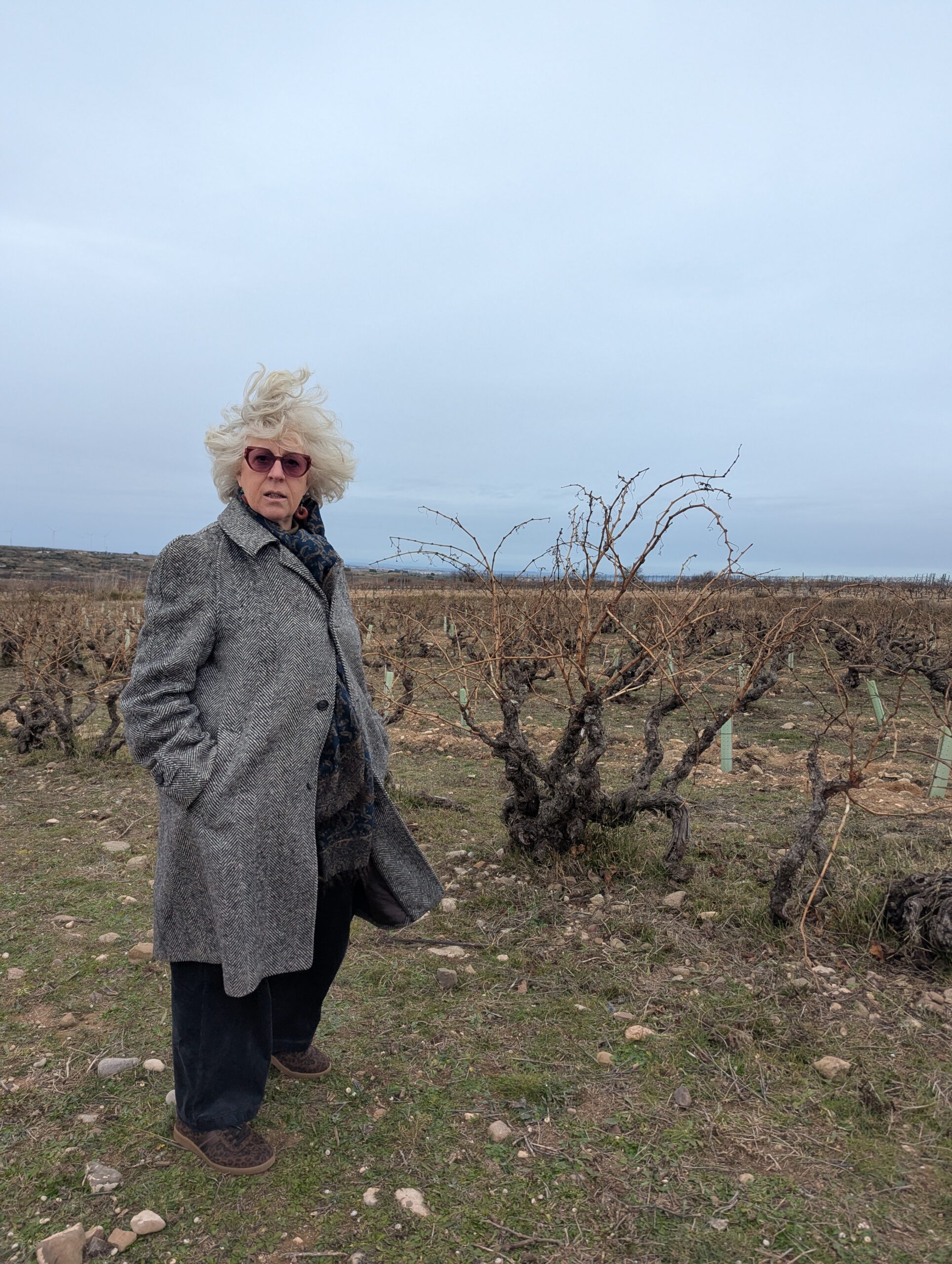
Not all winemakers agree. Gonzalo Celayeta, who makes some of our absolute favourite Navarran rosés, told us that “for rosé, it’s more important what we do in the winery than in the vineyards.” Although we adore his wines, his distinction between what works for a wine and what works for a rosé is at odds with our belief that a good rosé is a wine first, and a rosé second.
Whether Gonzalo is right is the question we set out to answer at our third Fine Rosé Day, in London on 16 November: “Is fine rosé made in the vineyard?” Matthieu Meyer’s bigger berries in 2025 are the sort of evidence the debate will have to weigh. We will be writing up the answer in the 2027 edition of this report.
Where this leaves us
Defining a fine rosé remains problematic. A producer can tick every box on paper, in viticulture and in winemaking, and make a dull wine, while another can look simple on paper and still produce something outstanding, with beautiful purity and fruit definition.
Fine rosé is getting better at exactly the moment it is getting harder to sell. The market is punishing, the trade is set up to move something else, and several of the best wines we tasted this year are now made in half the vintages they used to be. We think they are worth defending.
So: ask to taste a library vintage before buying the current one. Look out for rosés in dark glass. Don’t judge them by their colour. Run away from a wine that is called Provence-style before its own merits are listed. And don’t forget that there is a rosé – fine or otherwise – for everyone. Someone looking for a chilled red might be better served by a dark, fine rosé than by an entry-level red wine – if there is any difference in colour at all.
About this report
This year’s report covers nearly 200 rosés, from just over a thousand tasted, against 220 in our first, published for Club Oenologique in 2023. Every wine was tasted in the vintage currently on the market, which this year meant ten different vintages across the report.
We have been at this a while. Classic Wine Library published Rosé: Understanding the Pink Wine Revolution in 2018, when rosé was still in its modern infancy. The first Fine Rosé Day followed in June 2024, written up here; by then we had dropped ‘premium’, a term which suggests fineness is determined by price alone.
Our tasting notes
Exceptional
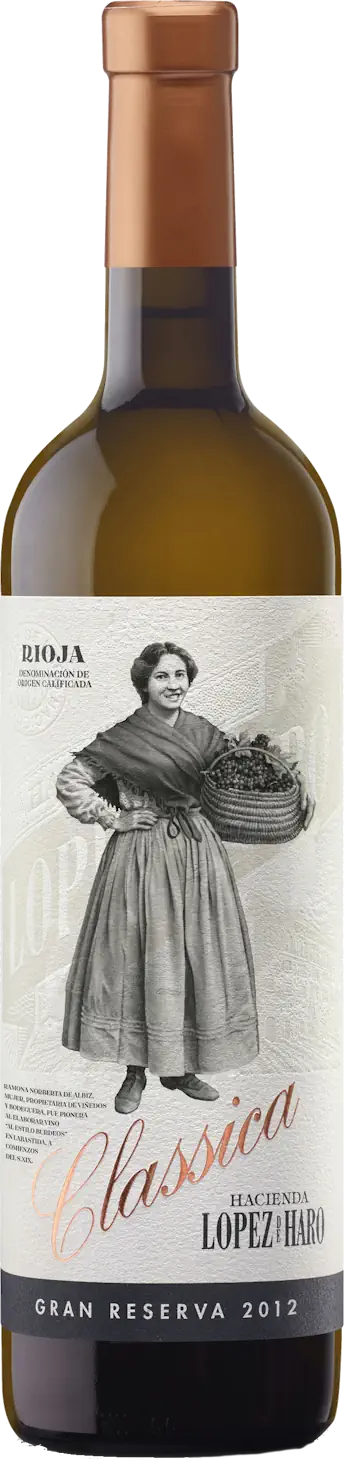 ExceptionalBodega Classica Hacienda López de Haro Rioja Gran Reserva (Rosé) 2016
Gran reserva current vintages put pay to the myth that only the most recent vintages will sell. Copper cherry sunset in a glass. Spice and a hint of oxidative oak on the nose, delicate but firmly there. The oak is in firm control on the palate, giving weight and structure, with finely tuned mineral acidity and austere, linear redcurrant fruit alongside cherries, a hint of forest floor and wild strawberries. Quite firm, with unyielding oaky tannins and piercingly vibrant acidity. The wine in complete control of itself. Balanced, elegant, correct. Exciting, complex, boundary-pushing and charming, multi-dimensional: a real aristocrat.
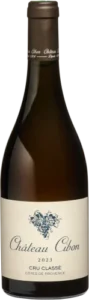 ExceptionalClos Cibonne Château Cibon Cuvée Marius Cru Classé (Rosé) 2022Côtes de Provence, Provence
Pale coral-copper pink. Fennel, sweet red fruit, opulent peach, and stone fruit aromas with a hint of perfumed black tea, bergamot, and mysterious jasmine. Rich on the palate with notes of almost white chocolate, dried cherries, cranberries, and intensely concentrated wild red berry fruit. Silky, delicate but powerful, layered with beautiful dark citrus and some bitter blood orange counterpointing the sweet concentration. A massively serious, ethereal wine with layers of complexity and saline freshness. The fresh acidity on the finish feels utterly integrated with everything. This is as close to perfection as we can imagine a fine rosé getting.
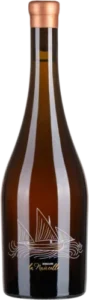 ExceptionalDomaine de la Navicelle Zéphyr (Rosé) 2024Côtes de Provence, Provence
From vineyards across the road from Clos Cibonne - and by no means the poor neighbour. Pale copper coral pink. A hint of coconut and sweet smoky oak on the nose. Bursting with ripe, intense, powerful red fruit, showing fresh and juicy white peach, wild plums, and fraise de bois. Acidity is powerful and fresh, with hints of sour grapefruit, cranberries, and crisp pomegranate perfumed sweetness crashing against intense red fruit and citrussy elegance. Concentrated and intense with lovely complexity of flavours, gentle leafiness, and beautiful spice notes of star anise and coriander. Wow.
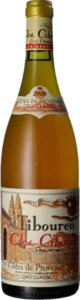 ExceptionalClos Cibonne Tradition Cru Classé (Rosé) 2024Côtes de Provence, Provence
Dark golden salmon pink. Discreet dried apricot aromas. On the palate, the dried apricot fruit is rich and intense, giving an impression of sweetness and soft nutty flavours with a hint of almost jammy richness. This is beautifully held together by the fine sourness of marmalade and fresh citrus confit. I have never had medlars and cream, but somehow that springs to mind. Evocative of mellow sunshine and ripe autumn fruit; rich and intense, but amazingly fresh and mouthwatering with long, vibrant acidity and perhaps a touch of autumn raspberries peeking through.
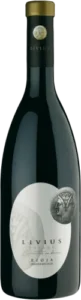 ExceptionalBodegas Alvia Livius (Rosé) 2019Rioja, North-Central Spain
100% Grenache, aged in French barriques, from one of Rioja's most Camino-de-Santiago-adjacent producers, and whose love of oak shines in this wine. Pale cherry red-pink. Intense aromas of kirsch and red berries on the nose, intense, concentrated and juicy, with cranberries, pomegranates, a touch of rosehips and blood orange. The palate moves away from being a fruit bomb to a smooth, crystalline and beautifully controlled intensity. Suave, velvety, generously fruitful and charming. Very much a clarete, light red-wine-like, with fine supporting wood tannins and fresh, balanced acidity, the tannins otherwise invisible, ripe fruit bursting from the seams. It may not be a classic rosé, but it whispers alluringly rather than shouts, and does so with absolute and utmost confidence. Stunning.
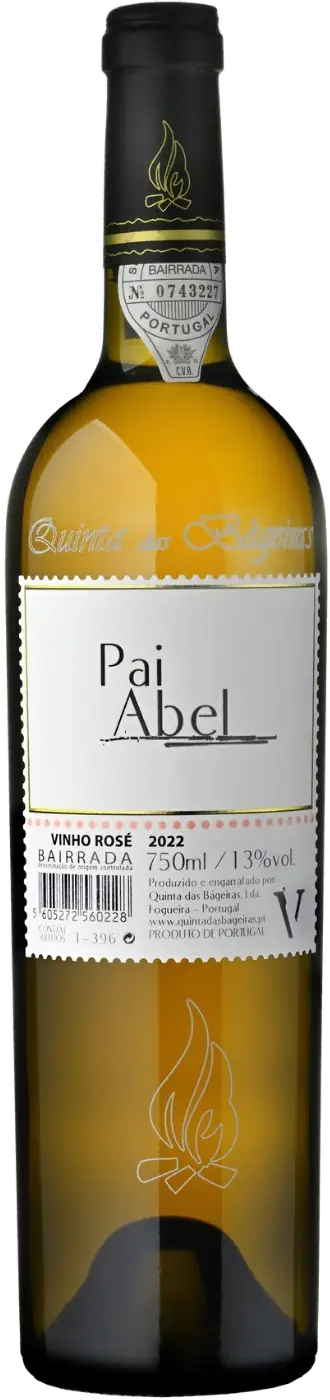 ExceptionalQuinta das Bágeiras Pai Abel (Rosé) 2023Bairrada, Portugal
The fourth vintage of this wine, made with a parcel selection of Baga blended with 10% of Bical and Maria Gomes (the local name for Fernao Pires), fermented and aged in Burgundian barriques. Partially harvested to retain freshness, and partially very ripe, the winemaking focuses on intensity of fruit and balanced structure. A pale coral pink with opulent white fruit on the nose, with dried fruit and a touch of sweet oak. Pretty black cherries and crunchy red fruit follow, showing exceptional phenolic ripe pithiness, supported by the sweetness of the oak and the ripeness of the fruit. Seriously classy, with lots of depth and serious concentration. Silky, rounded, concentrated and elegant. Bursting with charm and fruit, perfectly approachable and on par with the very best Gran Reservas, yet still ridiculously fruit-driven and fun. A good example of properly ripe Baga.
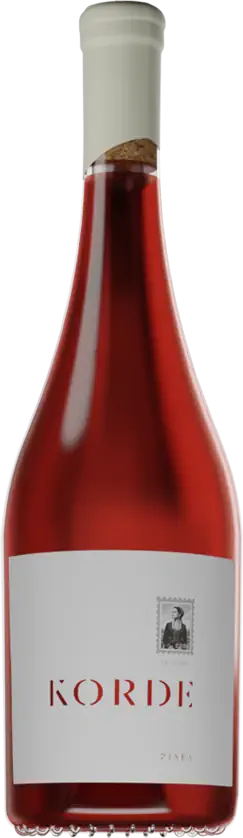 ExceptionalPinea Korde (Rosé) 2022Ribera del Duero, North-Central Spain
Dark cherry pink. A little closed at first, this wine opens up to lots of crunchy red berries on the nose. On the palate there is more fruit: raspberries, strawberries, cranberries and pomegranates. The wine is beautifully. vibrant, exciting, dynamic. Electrifying acidity, lots of crunchy tannins. Concentrated, exciting and classy. A fine rosé.
 ExceptionalBodegas Territorio Luthier Clarete de Guarda (Rosé) 2022Ribera del Duero, North-Central Spain
From a relatively young estate comes this old traditional style clarete made with local varieties from almost centenarian old vines. Moderate pale cherry. Quite a bit of oak on the nose, from nearly two years in American oak. On the palate, intensely ripe red fruit, embracing the ripeness (and the alcohol). This is a wine with powerful structure, supporting tannins and intense acidity that really cuts through to the finish. The fact that this went through malolactic fermentation is barely noticeable other than in contributing to the beautiful balanced structure, concentrated smooth and silky red fruit and classy finish.
 ExceptionalJosé Luis Ripa Sáenz de Navarrete RIPA (Rosé) 2020Rioja, North-Central Spain
Dark copper gold. Cedar and pot pourri roses on the nose, alongside remarkably delicate and pretty red flowers and orchard blossom. Round, soft and almost lush with an autumnal richness on the palate. At the same time, it shows incredible precision and power; concentrated, driven, linear, mineral and vibrant, backed up by firm, chewy, slightly nutty oaky tannins. Long vibrantly fresh, wild red berry acidity and stony minerality on the finish, with hints of beeswax and spice. A beautifully complex wine combining richness and modern freshness. Crystalline, fruitful, concentrated, ripe and intense, the long ageing in oak barely noticeable. His best vintage yet.
 ExceptionalQuinta do Sobreiró de Cima Cabernet Sauvignon Rosé Reserva (Rosé) 2020Tras os Montes, Portugal
Dark copper pink. Hints of garrigue, savoury notes, and beautifully silky, refined fruit on the nose. Elegant, ripe, charmingly fruity, and not excessive. The palate is juicy, rich, and vibrant, showcasing sour cherry, dried apricots, ripe blackberries, hedgerow fruit, and pink cherries. Some aged secondary notes mingle with hints of smoky oaky tannin (3 months in a mix of French and American oak barriques) and roasting chestnuts. Behind the sweet mellow dried fruit, there is a piercing lime juice energy and long vibrant acidity that just carries the wine. Pristine, crystalline, and exceptionally fruit-driven. The fruit is ripe, balanced, orchardy, and lightly tropical. Rarely does one come across such a powerful wine; everything it does, it does properly. The acidity is vibrant and punchy, but disciplined, with structure there to support the fruit rather than dominate it with tannins. Stunning and delicious.
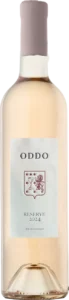 ExceptionalDomaine Oddo (Vallon des Glauges) Réserve (Rosé) 2024Coteaux d'Aix-en-Provence, Provence
Shell salmon pink. Aromas of peach, herbs, and sweet spice with hints of sweet almonds, marzipan, and soft perfumed pears. The palate shows silky honeyed notes, sweet dried peaches, and an umami complexity of savoury notes and a fine mineral structure. Vibrant, long fresh acidity balances a dark and enticing progression from honey to treacle and almost molasses. As it breathes, the white fruit evolves into raspberries and crunchy red berries. Powerful, delicate, and impossible to resist, finishing with saline length and more limestone minerality than typical Provence richness. Not just a wine which stands out, but a wine illustrating the skill of a winemaker constructing a harmonious, intriguing, and complex wine with great potential for gastronomy and Alpilles sunshine.
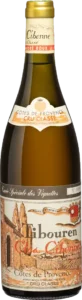 ExceptionalClos Cibonne Cuvée Spéciale des Vignettes Cru Classé (Rosé) 2024Côtes de Provence, Provence
Dark copper pink. Roasted nuts and dried peaches on the nose - almost toasted fruit. Creamy, soft, toffeed pear compote with some dark plums and saline minerality running through the centre of the wine. More savoury in style, this wine has a grip and edginess which I would struggle to identify as a rosé if served in a dark glass, except that there are no tannins. It is silky smooth and flows like satin. There is firm structure, dark red fruit, a hint of prunes with concentrated richness, and a long salinity emerging on the finale. A serious gastronomic wine able to carry powerful flavours.
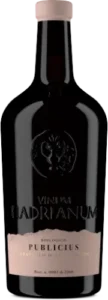 ExceptionalVinum Hadrianum Publicius (Rosé) 2024Cerasuolo d'Abruzzo, Central Italy
Dark cherry pink. Intense wild berry, sour cherry fruit, and hedgerow freshness on the nose with hints of wild herbs and apple blossom. The palate hits with immense power, offering vibrant, mouth watering glassy acidity and firm, crisp, angular, yet exceptionally well-integrated tannins. Straddling the borders of dark rosé and summer red, it delivers stunning depth, spice, and pomegranates alongside insanely ripe fruit. Balanced and harmonious despite the power, showing a coolness that defies a hot climate. Cerasuolo is about mastering tannins, and this does exactly that. Perhaps the perfect rosé for Pinot Noir lovers.
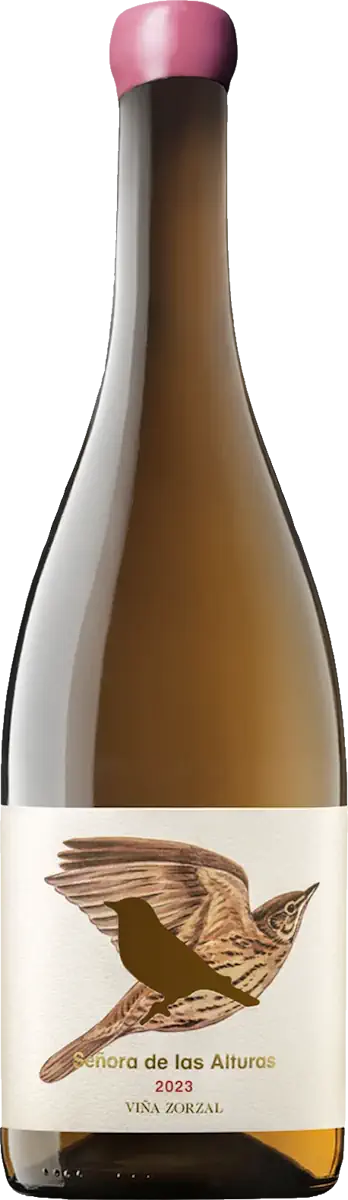 ExceptionalVina Zorzal Señora de las Alturas (Rosé) 2023Navarra, North-Central Spain
Pink copper-coral pink. Hints of oak on the nose. Jaw-droppingly beautiful on the palate: piercing acidity, crystalline, glassy fruit with a light mineral edge and hints of blue minerality. A bloody serious rosé, embracing structure with vibrant juicy acidity, fine tannins and redcurrant fruit, strawberry sorbet and barely ripe raspberries, perhaps blackcurrant too. Herbal, lightly aromatic notes of wild fennel, no nuttiness, just fine linear elegance. Crisp, intense, powerful and textured, opting for precision and tannic grip over richness and opulence, ending on chalky tannins. A bit more fruit than aromatic complexity, but a stellar wine.
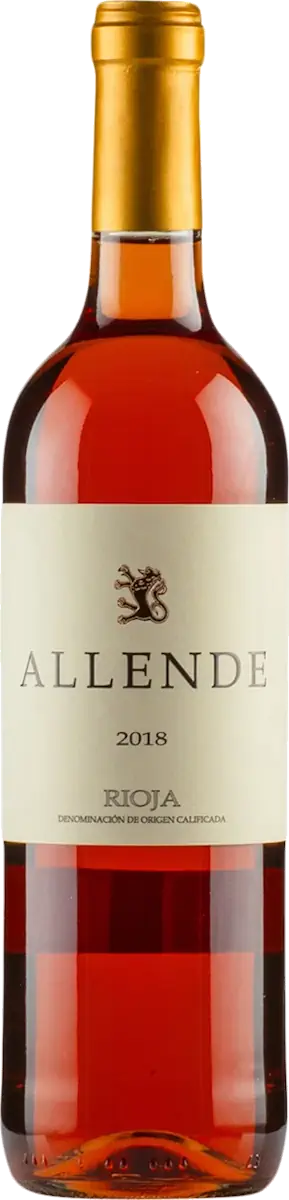 ExceptionalFinca Allende Rioja Reserva (Rosé) 2018Rioja, North-Central Spain
Coral copper pink. Jaw-droppingly gorgeous oaky oxidative aromas and aged rosé spice, cedar, sandalwood, incense and pot pourri, against a dark, almost tarry pine resin oakiness. Despite the decadence on the nose, the palate is dripping crunchy red fruit, red cherries and blackcurrant jam, with ripe peach and nutty tertiary development. Hints of spice, menthol, eucalyptus and hot summer evenings round out the aromatics. On the palate, supple velvety oaky tannins, a touch of black pepper and juniper, with a dark purple mineral austerity running through the centre that gives real gravitas. A lively acidity supports the show-stopping structure. Really salty on the finish. Textural, serious and stunning, rich, complex and fully bodied enough to be a gastronomic offering. Worth noting the age of this wine and how vibrantly youthful it still is.
 ExceptionalProelio La Cuvée de Finca la Esperilla Reserva (Rosé) 2023Rioja, North-Central Spain
Bright copper coral pink. Elegant, restrained aromas, winter jasmine and a whisper of rosewater, with fresh raspberries and dark cherries. Intense sour cherries, wild hedgerow fruit and fraise de bois follow on the palate, an abundance of juicy fruit, yet not a fruit forward wine, balanced by firm, long vibrant acidity. The mid-palate is where the party starts: this wine screams texture, concentration and structure. Well-integrated tannins, powerful but beautifully balanced alcohol and weight of fruit, with firm, almost invisible oak giving depth. Whispered tannins lend length and rigour. A rosé for red wine drinkers, joyous and serious, sublime beyond simply being fruity.
 ExceptionalBosinakis Winery Iereia (Rosé) 2025Arkadia, Greece
Pale salmon pink. Muscaty aromas of oranges and rosewater, beautifully fragrant and musky, unmistakably Moschofilero. Beautiful vibrant redcurrant fruit with zippy, fresh acidity and silky structure all the way to the finish, concentrated and lightly gravelly. Weight and elegance combine with real aromatic seriousness, moving well beyond mere charm. Fresh, fruity, perfumed and crisply acidic, this spans the range from aperitif and summer drinking to a dessert island sort of rosé, or a wine to challenge a chef with an elegant dish reflecting its aromatics.
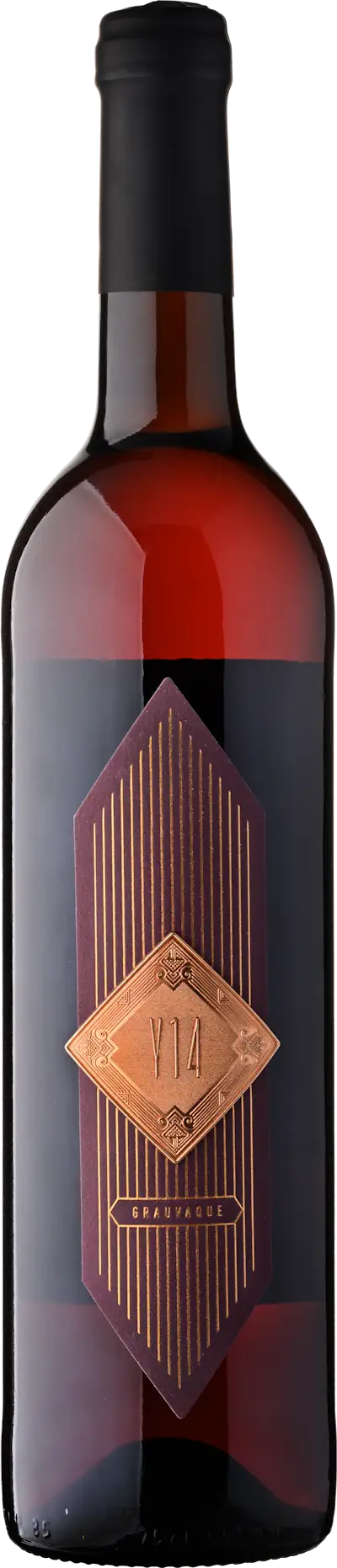 ExceptionalA Serenada Wines Y14 Rosado (Rosé) 2021Setubal, Portugal
Bright copper pink gold. Caramelised oranges, garrigue and exuberant spice on the nose. On the palate, jasmine tea, salted lemons, roasted nuts, exceptionally concentrated orchard fruit and ripe hedgerow berries. Taut acidity that is out of this world! Powerful, driven and concentrated, yet showing long elegance, mouthwatering freshness and remarkably fresh, linear control. A lovely balance of weight, complexity and structure. Very Portuguese in character with a long, austere, direct purpose. Ends on whispers of red berries and texture that lingers. Stellar.
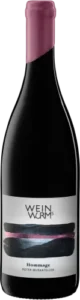 ExceptionalWeingut Georg Weinwurm HOMMAGE – Roter Muskateller skin fermented (Rosé) 2023
This wine ticks all the boxes. Manual harvest, extended skin contact, barrel fermentation, un-filtered turn a variety often left as a simple, fresh grapey wine into something truely delicious. Pale shell peach pink and a touch cloudy. Amazingly intense, musky, mysterious, and magical aromas of flowers, peaches, rosewater, honeysuckle, and jasmine. Behind that facade of sweet floral perfume is pure varietal joy, marked by powerful, electric acidity and a wild red berry crunch. Crisp, slightly chalky, energetic, and vibrant, with hints of rhubarb and crunchy cranberries. A lovely lasting citrussy finish of Sorrento lemons and orange blossom. Love the bold, confident handling of this variety. Ethereal but powerful, it is equally suitable by a nice pool as an avant-garde Michelin-starred restaurant. Proof that Muscat can make a fine wine.
Outstanding
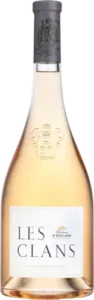 OutstandingChâteau d’Esclans Les Clans (Rosé) 2024Côtes de Provence, Provence
Pale shell pink. Delicate but confident unapologetically ripe stone fruit and a slightly toasted leesy nose. On the palate, intense wild red berry fruit and crunchy red berries are supported and corralled by nutty, ever so slightly toasty oak. Juicy, mouthwatering, intense, and delicious. Ripe, austere, and beautiful, showing incredible concentration and a classy fullness of body. It is silky, citrussy, and incredibly elegant. Saline and nutty, almost creamy on the finish. Beautiful depth, wonderfully classy. Drink now, or keep it two decades. Beautiful wine.
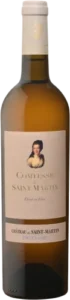 OutstandingChâteau de Saint Martin Comtesse de Saint Martin Cru Classé (Rosé) 2021Côtes de Provence, Provence
A beautiful example of what an aged rosé with oxidative handling can achieve. Pale copper-gold. Jasmine tea, nuts, marmalade, white chocolate and spice on the nose with a touch of wild strawberries. Beautifully silky on the palate, with subtle oaky, nutty tannins enveloping sweet, buttery stone fruit. Cut through by mouthwatering, lacy acidity and lifted by charming spice and roasting coffee torrefaction. Oak-driven and aged, but incredibly serious, concentrated and balanced; an expressive, decadent and aristocratic wine. Notable for its mix of barrels: oak, acacia, and even some mulberry wood!
- OutstandingBodegas Antídoto Le Rosé (Rosé) 2023Ribera del Duero, North-Central Spain
Pale shell coral-pink. A jaw-droppingly intense, spiced nose featuring dill, beautifully sweet American oak, coconut, and gentle nuttiness. Dry with good weight and structure, the palate offers beautifully silky white peach, scented quince, and a touch of overripe salted pears. Backed by dry, oaky phenolics and fresh raw and roasted nuts, it maintains long, fresh, juicy acidity reminiscent of wild red berries, leaving just the faintest whisper of red fruit on the finish. A classy, concentrated wine for those willing to accept a little ambiguity between white and rosé. Leaves an impression of firm acidity, textural concentration, great energy, and confident winemaking.
- OutstandingChâteau des Sarrins Secret Rosé (Rosé) 2021Côtes de Provence, Provence
Golden onion skin pink. Gently honeyed oak on the nose. On the palate, surprisingly tannic and dry - not a soft vanillin-type oak, but a firm, tight oak structure. Already 5 years old, so youth is not necessarily an excuse, but decanting allows more fruit to reveal itself. There is lovely fresh, almost saline acidity, and lovely weight and balance. With time, the red berry and strawberry fruit comes to the fore and balances the strong oaky character, driven by weight and structure rather than pure fruit. Ends on black liquorice and serious intensity.
- OutstandingLos Otros de Ondarre El Terco (Rosé) 2021Rioja, North-Central Spain
This old vine Carignan (Mazuelo) is extraordinary. The variety's natural acidity carries 30 months in barrel, the intensity of fruit shines through. A distinctive pale coral-orange amber colour hints at its age. Big, bold oakiness on the nose, decadent, rich, spiced and unapologetic. Slightly oxidative, burnt orange notes suggest age. Any fears that this wine is old, evaporate on the palate. This wine is intensely vibrant. Its mineral, precise acidity and citrus freshness counter-balances the richness, and beautifully velvety tannins, and perfumed. Powerful but delicate, managing to cram fruit, freshness, smokiness and texture into a really well-balanced, juicy and mouth-watering wine.
- OutstandingChampagne Pascal Walzcak Les Chanzeux (Rosé) 2022Rosé des Riceys, Champagne
Semi-translucent garnet pink. Initially closed on the nose with delicate notes of redcurrants. On the palate there is a lovely freshness: fresh cherries, zingy redcurrants, amazing acidity. Smokey, salted almonds and a whisper of nattiness. Dark purple minerality giving wonderful depth and complexity. Despite the colour, this is less of a red wine than might be expected: fresh, exciting, electric, energetic and complex.
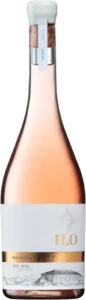 OutstandingMenin Wines HO Matrona (Rosé) 2023Douro, Portugal
Pale salmon. Pretty floral notes and rather generous red fruit on the nose. Pêche de vigne, and rather beautiful and seductively expensive French oak, maybe even Hungarian too - there's spice, smoke, complexity and beautifully architectural tannins. Aristocratic and charming. Exceptionally concentrated, with acidity perfectly in balance, holding up the finish beautifully. Stone fruit, red fruit, complexity, weight and elegant freshness - this has it all in spades. Stunning rosé.
- OutstandingChampagne Devaux Chanseux (Rosé) 2018Rosé des Riceys, Champagne
Light brick-red. Aromas of incredibly vibrant and ripe fruit, soft cherries, hints of sweet leather - it's a world apart. On the palate, soft cherry fruit, ripe red berries and opulence. Lots of black pepper, lots of thyme and hedgerow. Lovely silky tannins, concentrated and mouth-filling. A hint of pomegranate. Firm, mouth watering acidity, mineral, saline a touch of gaminess. Concentrated, serious, saline it's big, it's ripe, it's opulent. Beautiful ripeness with vast fruitfulness. Love it.
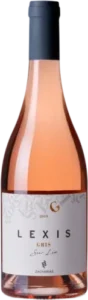 OutstandingZacharias Lexis Gris (Rosé) 2024Nemea, Greece
Harvested fully ripe, extended skin contact and long ageing on the lees makes this wine unashamedly intense. Dark copper pink, the Moschofilero aromatics rise powerfully from the glass, contributing beautiful perfume and unmistakeable charm. Sweetly grapey, giving the impression of being off dry, with pretty white peaches and a touch of ripe red apples. Stunningly vibrant, concentrated, refined, crystalline acidity, sharp as a knife-edge. Despite that freshness, this is dripping in fruit and aromatic intensity, floral, pretty and beguiling, with light grey minerality and some fine but weighty phenolics giving serious structure. Absolutely charming, a wine which allows grown-ups to indulge and be pretty.
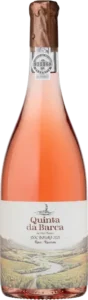 OutstandingQuinta da Barca Douro Reserva (Rosé) 2021Douro, Portugal
This estate is located in the. western edge of the Douro, known for its greater freshness. Justina Teixeira has a clear idea of the style she wants and aims for the freshest grapes possible with careful parcel selection. The Touriga Franca comes from a parcel which gets no direct sunlight! Harvesting two weeks before the red wines in used barrels, the wine has an intensity and purity of fruit. There is an almost buttery, coconut, sweet fruit aroma but on the palate there are dry tart red currants, concentrated wild berry fruit and vibrant acidity. Long powerful and really lovely. Still very youthful and will certainly get better - a rosé which could age for a few more years.
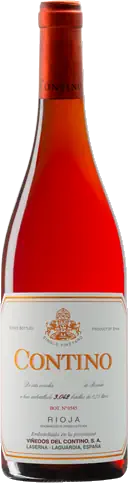 OutstandingContino Rioja Reserva (Rosé) 2021Rioja, North-Central Spain
A blend of Graciano and Garnacha fermented and aged for 9 months in 500l barrels, this beautiful cherry-copper pink has complex and alluring aromas. Generous spice, hints of old oak, a gentle leatheriness, subtle black tar and almost sun-baked pine resin and garrigue, with a whisper of ripe raspberries, red cherries and underripe wild plums, and an almost floral note of winter jasmine. On the palate the pine resin evolves to garrigue and then eucalyptus, keeping the fresh berry charm of the red fruit centre stage. Tight oaky tannins, firm minerality and saline tightness give this incredible length, yet delicate, balanced acidity on the finish reminds you that this is a rosé. Not a wine for those looking purely for fruity charm; it has all the trappings of cellar-worthiness and complexity, mouth-watering and elegant, while still keeping the fruit and charm for a classy summer evening. Jaw-droppingly good.
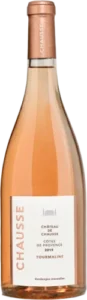 OutstandingChâteau de Chausse Tourmaline (Rosé) 2022Côtes de Provence, Provence
Pale cherry pink. Charcoal and smoky notes on the nose with hints of sweet oak and expressive red cherries, suggesting weighty concentration. On the palate, it is another world. The smoky character blends beautifully with dried apricots, roasted nuts, and fresh zesty white lemon acidity. Silky fruit meets a crisp, vibrant structure that is powerful yet restrained. The oak's smokiness evolves into warm spice, garrigue, black pepper, and a hint of anise and black cherries. Classy, decadent, and age-worthy with beautiful depth. A serious wine that remains wonderfully easy to drink. Absolutely encapsulates the heat and power of the southern French sun. Drink this outside on a sun-drenched terrace in Saint-Tropez in January.
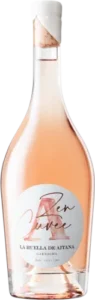 OutstandingGonzalo Celayeta Wines La Huella de Aitana Cuvée Zen (Rosé) 2024Baja Montaña, North-Central Spain
From the heartland of Navarra's rosé production, and the old mountainous vineyards around San Marin de Unx comes this beautiful Garnacha wine (15% is Garnacha Blanca). The eight months in oak is barely noticeable nor the extended ageing in amphora. The wine is still youthful with crisp, elegance and a very refreshing, pearly, mineral edge. Rich and silky on the palate, yet balanced, modern and ethereal.
- OutstandingChâteau des Sarrins Grande Cuvée (Rosé) 2025Côtes de Provence, Provence
Pale shell salmon pink. Delicate aromas - not fruit-forward, but more leesy. Quite intense body and mouthwatering weight. White peach with a hint of juicy wild strawberry and fresh white citrus acidity. Love the intensity - a wine which would support a meal without relying on the complexity of oak. Pretty, elegant and very lightly chalky on the finish. This is the type of rosé I would choose to drink if dining al fresco. An absolute benchmark of unoaked Provence rosé that is as concentrated as it is refreshing.
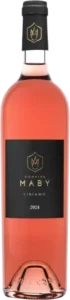 OutstandingDomaine Maby Libiamo (Rosé) 2024Tavel, Southern Rhone
An exceptionally exciting 50/50 Grenache Blanc and Grenache Noir blend, Libiamo is always one of our favourites. Mid depth copper pink. Subtle nutty oak aromas that evoke autumn sunshine. If there was ever a wine for garden lunches, to be drunk with richer summer meals for those who do not usually drink rosé, this wine is it. On the palate, spectacularly silky texture and beautifully integrated ripe hedgerow fruit, set against a backdrop of slightly inky mineral, firm tannins. Pithy, very vibrant acidity gives it a fine elegance and crisp textural freshness. Fruit is powerful, linear but fabulously ripe and confident. The firm tannins suggest it is still youthful with many years ahead for ageing. A concentrated, classy, driven fine wine. One of the few Tavels to proudly use exclusively new oak, to fabulous results.
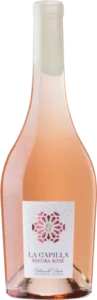 OutstandingBodegas Finca La Capilla La Capilla Ánfora (Rosé) 2024Ribera del Duero, North-Central Spain
Pale shell pink to very pale coral. Aromas of coconut oak, crisp orchard fruit, white peach, pears, and toasty, sweet nutty notes. On the palate, juicy peach fruit meets pale blue minerality and a gentle phenolic structure. Delicate ripeness gives it an elegant, almost ephemeral style that is dry and slightly austere but with restrained concentration. As it opens up, greater concentration develops alongside vibrant citrussy acidity, softened by the silkiness of sweet oak. Notes of saline oranges, dark chocolate, and wild raspberry emerge, lifted by perfumed orchard blossom. Very modern, very elegant. Fashionable and utterly refreshing.
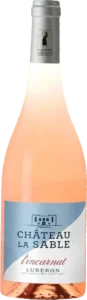 OutstandingChâteau la Sable L’Incarnat (Rosé) 2025Luberon, Provence
Dark coral pink. Remarkably full of red fruit on the nose - red cherries, exuberant raspberries and floral, orange blossom, pretty and floral. Vibrantly fresh and grapey finishing with laser-like intensity and power and long fresh acidity. Quite joyous and lots of soft, lush, black fruit - cherries and damsons - with traces of restraining firm, stony, inky minerality, and a delicate, dark inner core, dark spice and a whisper of gentle oaky phenolics. It's powerful, driven, crisp, elegant, serious with depth and charm, and every fruity note covering up another one, all of them nestled in textural grip and richness. Beautifully ripe, but with precise structure. So much ripeness, and yet not one drop of jamminess or excessive soupiness. I'm in awe and in love - this is what top Provence Syrah rosé can aspire to.
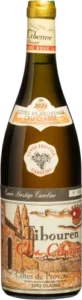 OutstandingClos Cibonne Cuvée Prestige Caroline Cru Classé (Rosé) 2024Côtes de Provence, Provence
Clos Cibonne's most new-oak-forward cuvée. Moderate copper pink. Restrained at first on the nose, opening to soft creamy nuts, caramel, dried apricots, slightly smoky black tea, winter jasmine, and hothouse flowers. Not particularly fruit-forward, but remarkably concentrated and textural on the palate. It is rich but not sweet, offering bitter oranges, long saline acidity, and gentle but certainly not blunted tannins. Classical, traditional, and full of flavour while retaining elegance. This quirky combination of richness and austerity opens up an array of possibilities for food and wine matching. It will appeal to lovers of old Tondonia and those looking for traditional complexity and a hint of old-world snobbery. Classy, and it knows it.
- OutstandingBosinakis Winery Aspela (Rosé) 2024Peloponnese, Greece
Dark garnet-copper pink, the colour gained from longer maceration. Moschofilero typicity shouts from the start: rosewater and intense floral perfume on the nose, with a slightly wild garrigue and red fruit character, and a dark, slightly inky musky twist, more tropical-at-night, enticingly mineral. On the palate, very like a gorgeous negroni: bitter, dark caramelised oranges, sour vibrant acidity and aperitivo-bitter herbal complexity, with vibrant fresh red fruit and subtle natural gameyness. Silky, almost invisible tannins, beautifully integrated and balanced, powerful without flexing its muscles. Feline all the way to the finish, erring towards a light, natural red rather than a classic pink. A stunning wine that defies categories rather than defining them. This is electric and alive!
- OutstandingItay Lahat Garrigue (Rosé) 2024Israel, Eastern Mediterranean
Very pale salmon pink. Very ripe, concentrated fruit, counterbalanced by a mouth watering salinity and crunchy, fresh redcurrant berries. Surprisingly concentrated but without being weighty, with length which just keeps going and fine mineral elegance. Fermentation and ageing in used barrels gives added structure and richness. This is the first vintage - so looking forward to see how this ages and develops. Certainly one of the best rosés coming out of Israel right now
- OutstandingCave Coopérative des Riceys Marquis de Pomereuil (Rosé) 2019Rosé des Riceys, Champagne
Slightly brickish garnet light red. Lots of juicy red fruit on the nose, with the sweet ripeness of slightly jammy redcurrants and red cherries. On the palate the fruit is opulently soft, and mature, with the scented notes of pot pourri, balanced by savoury, sour cherries, long acidity, and a saline concentration. More rosé than many, but almost a red wine in terms of weight and concentration, but without the tannins. Lots of vibrant fruit that transitions seamlessly to spice, subtle woody, leathery notes. Delightfully vibrant, exciting. Exceptionally ripe - almost decadent with its primary fruitfulness. Absolutely sublime. Tannins are present, slightly gravelly, but overall it's silky, fruity and exceptionally concentrated; the fruit and acidity are out of this world. Truly Burgundian.
- OutstandingPrincipal Tête de Cuvée Rosé de Pinots (Rosé) 2020Vinho de Mesas, Portugal
One of Portugal's most famous (and expensive!) rosés, although made in a decidedly more approachable style in recent vintages. Very pale shell. Hints of sweet oak on the nose with pretty, exuberant red fruit, expressive and generous. Full-bodied and generous on the palate despite the low alcohol. Pretty, slightly sharp acidity on the finish with a lovely phenolic tannic grip that reminds you this is still playing in the same league as Garrus and Clos du Temple. Elegant, refreshing and very modern, reading from the classic rosé songbook rather than heading off on some adventure to Rioja. Whether it has the complexity, development and genre-defining concentration one might expect at this price is less certain, but it will please poolside sippers and serious rosé drinkers alike.
- OutstandingDomaine Les Oeuvres Vives Bandol (Rosé) 2024Bandol, Provence
Pale coral pink. Smoky strawberry fruit and lots of dark, confected, intense fruit on the nose. Reductive, saline, austere, and tight initially, but after opening up, the reductive notes disappear to reveal raspberry fruit, hints of dark citrus, blood orange, and a black inky smokiness. A touch of tropical flowers and pineapple. Beautifully crisp and exceptionally concentrated. Textural, grippy, and gutsy with mouthwatering, long minerality, lavender, and chalky acidity. Wonderfully austere and saline; this is like licking a windswept rock by a calanque. A touch of smokiness, wild fennel, and bitter orange cocoa on the finish. Solar, powerful, evocative, and very serious. Long-lasting finish, chalky and firm. The wine is pure shape and structure.
- OutstandingChâteau de Berne La Grande Cuvée (Rosé) 2025Côtes de Provence, Provence
Very pale salmon. Lots of dark berries, hints of spice, hedgerow fruit and brambles. Saline, taciturn, dark and complex. Exceptional concentration and grip, with a mid-palate that is absolutely bursting at the seams with eagerness and structure. Gutsy, powerful, incredibly powerful. Not oak or tertiary-driven - this is fruit, acidity and power that almost redefines what a fine rosé should be. It is not oaky like a white Burgundy, but it clearly has infinitely more texture and grip than 'classic' Provence rosés, even the high-end ones. Sublime.
- OutstandingChâteau L’Ermite d’Auzan Sainte Cécile (Rosé) 2024Costières de Nîmes, Southern Rhone
Vibrant coral-ruby pink, almost Cerasuolo-coloured. New oak on the nose, absolutely bursting with spice, garrigue, wild fennel, bucketloads of raspberries and cherries, and soft, ripe, almost jammy fruit with subtle beeswax aromas. On the palate, lots of sour red berry fruit, taut sour hedgerow and redcurrant acidity meet biting blue fruit and a dark mineral structure. Firm dry tannins provide genuine lift, a real backbone, and darker weight on the mid-palate, finishing with a slightly blunt, chalky drive to the length. Striking, electric acidity pushes this into a much fuller-bodied, rounder, and riper expression in the summer red, clarete style. A wine for those who do not like pale rosé - so concentrated, so driven, so fruity and spiced! Absolutely stunning wine that encapsulates the energy of the galets roulés. These light red tannins make it a great gastronomic wine during the summer. Drink warmer than most rosé, serve in a bigger glass, and enjoy.
- OutstandingPerelada-Chivite Chivite Colección 125 (Rosé) 2023Navarra, North-Central Spain
Dark copper pink, bright coral - shimmers in the glass very, very beautifully. Strawberry and cream aromas carry on with some intensity on the palate, alongside a little restrained concentration at first. Exceptional power with red cherries, extremely bitter almonds and marzipan, a hint of oak and slightly jammy raspberries. Some delicate oak tannins ground the soft fruitiness, fresh acidity and strawberries and cream, maybe drying the finish a little. Closed and youthful. Serious, classy and utterly no-nonsense. An absolute stunner. Needs decanting, or come back in 5 to 10 years.
- OutstandingCostaripa Molmenti (Rosé) 2021Valtènesi, Northern Italy
Pale peach pink. Aromas of dried fruit, sweet almonds, walnuts, pretty black fruit, and hints of spice. Concentrated, warm, and silky on the palate with fresh acidity and ripe fruit. Notes of almond blossom, honey, and silky beeswax tannins provide a slightly sandy texture. An arsenic and old lace sort of wine, evoking gentle sunshine, ticking clocks, tea cakes, and cedar. It is the wine of another era, evocative, serious, and a conversation starter. Lots of pretty perfumed oranges on the finish, but with a slightly subdued marmalade richness to them. Not modern, not technical, but very beautiful. Not for glugging down but for appreciation.
- OutstandingBodegas Obalo Rioja (Rosé) 2024Rioja, North-Central Spain
Quite strong copper pink. A slightly closed nose at first. On the palate, it bursts with strong, ripe, juicy strawberry fruit. A weighty ripeness beautifully balances the gentle phenolics and long, vibrant acidity. Full-bodied, fresh, lovely and joyous. A slightly saline and mineral edge towards the finish provides another dimension to the sheer concentration and fruit. Structured, textural, serious and extremely classy.
- OutstandingChâteau Grand Boise Jadis (Rosé) 2025Côtes de Provence, Provence
Very pale shell pink. Creamy floral aromas. Lots of redcurrant fruit, juicy, crisp and crunchy but the intensity of ripe fruit nudges up to a more premium level. Quite joyous red berry fruit, crisp white citrus with a zesty, slightly leafy, very very crunchy acidity and minerality and pippy, textured phenolics jostle for attention, against a backdrop of more red fruit and very juicy grapefruit. The well integrated phenolics give tight structure. Saline, youthful and energetic. A serious wine full of Provence ripeness and elegance with vibrant tension.
- OutstandingHenners (Rosé) 2024
The relatively new English wine scene is discovering its terroir. While many estates blend grapes from different locations, the Pinot Noir for this wine comes from the chalky downs only 5 miles from the English Channel, contributing to this wines bright breezy, briney maritime influence. The southern location almost guarantees ripeness. Smoky red cherry fruit and floral aromas, the palate is full of ripe cherry jam, fresh zesty redcurrants, juicy, crisp and crunchy on the palate. Long, fresh and balanced.
- OutstandingCaves São Joao Quinta do Poço do Lobo Bairrada (Rosé) 2025Bairrada, Portugal
Here the addition of Pinot Noir adds some softness to the Baga, especially coming from vineyards very close to the sea and which do not struggle to ripen. Pale salmon pink with slightly perfumed aromatics and pretty crunchy red fruit. Quite opulent, with unusually generous body and alcohol, rich and softly fruity, Pink grapefruit freshness with a tiny hint of pink pepper, and crisp, chalky phenolics contributing a pretty delicacy and a touch of rosewater. Extremely pretty and complex, textured and using oak invisibly and a little bashfully. A real role model for rosés that want depth and complexity without letting oak dominate. perhaps needing to be chilled a little more to help subdue the alcohol.
- OutstandingLos Niñatos Cigales (Rosé) 2024
Pale coral pink. Lots of soft, silky ripe stone fruit on the nose, with cedar, eucalyptus and wild herbs. Concentrated, inky and textured, beautifully grippy yet ethereal and elegant. Wonderfully spiced and charming, with cloud-like delicacy and vibrant acidity. Concentrated and grippy on the finish, with a hint of salinity. Would have liked a touch more oomph on the mid-palate, as the delicacy can only take it so far, but this is a minor complaint for a really well-made Cigales that is a masterclass in oak-integration (Spanish and French), and the use of Gris and white grapes in making a pale but textured rosé. Balanced, complex, refreshing, intriguing and a genuine conversation-starter. Bottle 0037 of 1047, a limited-edition fine wine let down only by packaging that makes it look like a classic summer rosé.
- OutstandingChâteau Pradeaux Bandol (Rosé) 2024Bandol, Provence
Dark copper pink. Reductive notes, typical of youthful Mourvèdre, coming through on the nose with that slight grapefruit pithiness giving freshness, alongside hedgerow fruit, blueberries and black cherries. Firm drying tannins, wild raspberries and strawberries on the palate, showing intense concentration and weight. A classic summery rosé, fresh, zesty and fruity, that has been macerated just a little longer and punching above its weight in complexity. Lots of juicy fruit, mouth watering acidity and a lovely balance of weight, intensity, structure and fruit. Concentrated, powerful, refreshing, and even if it comes as a bit of a shock, it is a wine that will not fail to bring a smile to your face. Suitable for the beach, a picnic, a Michelin-starred restaurant or a birthday.
- OutstandingChâteau Trinquevedel Tavel (Rosé) 2025Tavel, Southern Rhone
Light copper pink-red. Gentle and beautiful perfumed aromatics with notes of fresh strawberries, delicate pink flowers and opulently ripe cherries. Vibrant acidity backed by generous, slightly chalky tannins and dry structure. Restrained for red wine drinkers, quite austere and linear thanks to the sandy soils, and, at this youthful age, would benefit from decanting. Charming and refreshing rather than simply pretty or fruity, showing the beauty of a slightly more concentrated, darker summer rosé that isn't relying on oak for weight or concentration, which is no easy feat to accomplish.
- OutstandingChâteau Saint Maur Clos de Capelune (Rosé) 2025Côtes de Provence, Provence
Pale salmon peach. Slightly restrained on the nose. On the palate there is beautiful concentration on the palate and remarkably vibrant acidity. Crisp and intense juicy sour red cherries, fresh crunchy red apples and a whisper of spice with a lively mouthwatering white citrus acidity and freshness. Taut, fresh, thirst-quenching - this is crossing the bridge between rosé that is summery and youthful while also being serious and concentrated. Beautifully driven and linear - this ticks all the boxes. This could be my go-to rosé during this summer.
- OutstandingKorta Katarina Winery Penny Lane (Rosé) 2025Dalmatia, Balkans
From the hottest part of Croatia and made with the powerful indigenous variety Plavac Mali, it would be easy to expect a full-bodied dark rosé. This wine expertly plays with the variety's concentration, controlling it with oak and maintaining fresh elegance. Light salmon pink, with intense blood orange and wild strawberry aromas with a whisper of spicy vanilla. On the palate there is ripe cherry fruit and beautifully integrated, barely perceptible oak structure. Juicy elegance.
- OutstandingBodega y vinedos Artio El Majuelo del Abuelo Clarete de Guarda (Rosé) 2023Ribera del Duero, North-Central Spain
Looks like a red. Semi-translucent garnet. Slightly inky with a hint of liquorice, a hint of pepper and black fruit aromas. It may look and smell like a red but on the palate, the soft invisible tannins points unmistakeably to a rosé. Extremely soft, supple, silky and voluptuous texture. Absolutely delicious, but bowing firmly in the direction of a delightful, supple, succulent chilled red with opulent alcohol and a warm fuzziness to the fruit. Lots of fruit, gentle extraction, invisible tannins. Silky, beautiful, Clarete that just slips down.
- OutstandingDomaines Ott* Étoile (Rosé) 2023Vin de France (Provence), Provence
Creamy white with hints of copper pink; almost blanc de noir. Soft ripe orchard fruit aromas of peach, yellow peaches, red apples, and the tiniest whisper of pomelo. Soft, ripe, creamy, and silky with a firm, generous texture and a structural finish. Beautifully balanced, there is discrete Mourvèdre structure giving backbone, some saline schistous freshness, and hints of inky struck match. It ticks every single box, harmoniously brought together with incredible elegance. Stretches from drinking on a summer’s day to concentration enough for a gastronomic partnership. Aiming to be a more complete, concentrated, refined form of classic rosé more than a white Burgundy-inspired.
- OutstandingQuinta da Lapa Clarete (Rosé) 2020Tejo, Portugal
Darker pink in colour this wine is joyfully bursting with pink raspberries, ripe strawberry and a leafy freshness. There is pretty, floral charm, long elegant intensity and the power of oak which supports the fruit rather than dominating. Beautiful, complex and refreshingly lovely and embracing the traditional style of a darker more complex wine.
- OutstandingChampagne Alexandre Bonnet La Forêt (Rosé) 2021Rosé des Riceys, Champagne
Mid depth scarlet red. Made with old vine fruit, this is more of a red wine style with more tannic concentrated red fruit structure. Crunchy redcurrants and raspberries, clean, crisp and extracted, with beautiful freshness. A hint of barely ripe spice, menthol and eucalyptus with some fine minerality. Lovely freshness, classy, very well-made and elegant, like a light red Burgundy. Ends prettily with some slightly chalky wild strawberries.
- OutstandingChâteau de Pibarnon Bandol (Rosé) 2024Bandol, Provence
Coral pink. Hints of reduction on the nose with slightly flinty red fruit, alongside softly honeyed, saffron, and peach aromas. On the palate, it is heavy and gorgeously lush, bursting with fresh red berries, salted ripe peaches, and chalky acidity. Elegant, exuberant, driven, and precise. Gently floral and silky, showing pretty meadow flowers, a hint of black tea, and crisp, elegant minerality. Quirky but delicious; it tastes older and slightly more tertiary than 2024 but features vibrant acidity, white chocolate richness, and savoury saline notes. It is refreshing and fruity, charming and elegant. What a charmer! Perfect everywhere from a top restaurant to a classy secluded beach.
- OutstandingInsula Clarete Chão de Sal (Rosé) 2025Açores, Portugal
Pale cherry pink. A hint of foxiness on the nose (there is some Isabella in the blend). On the palate, the cool Atlantic climate of the Azores contributes some vibrant, crunchy red fruit with the vibrant acidity of cranberries and rosehips and Isabella making sure its not forgotten with a hint of foxiness. Floral notes of cherry blossom and a hint of bitter almonds giving a silky, almost creamy charm. Slightly crunchy tannins and a lasting finish carry the weighty ripeness. Refreshing, almost natty.
- OutstandingChampagne Morel Rosé des Riceys (Rosé) 2022Rosé des Riceys, Champagne
Dark coral pink. Dark plummy cherries, lots of ripe plums and incredible blood orange salinity on the nose. On the palate the fruit is vibrant: sour, red hedgerow berries, mineral salinity, fresh and mouth watering with long length and intensity. The tannins are delicately drying , giving firmness to the rich and silky body. This has all the excitement of a rosé, electric, fresh and elegance, while still managing the depth, richness and complexity expected from top Burgundy.
- OutstandingChâteau Léoube Collector (Rosé) 2023Côtes de Provence, Provence
Very pale creamy peach colour. On the nose, aromas of ripe fruit, intense wild strawberries, freshly picked raspberries, and flashes of crisp and delicate white citrus and a hint of inky spice. On the palate the beautifully ripe fruit continues: grippy white berry fruit, white citrus freshness. Silky, concentrated, classy and quietly confident, with a hint of creaminess followed by a touch of salinity and some delicious mouthwatering minerality which takes it to the next level. Serious and intense. But while there is ripe fruit, this wine is primarily all about texture - crisp, cool, glassy, texture with a hint of gravelly phenolic weight and extraction. A fine balance between complexity and classic elegance. Still young and vibrant and definitely a wine which will surely continue to age and mature beautifully. Not suitable for downing a bottle and a half on your own in the pool - but this is a gorgeous wine.
- OutstandingPierre Amadieu Romane Machotte (Rosé) 2024Gigondas, Southern Rhone
Pale coppery ruby pink. Delicate red fruit on the nose, unapologetically driven, concentrated, and bursting with perfumed, freshly picked, wild red berries. On the palate, crisp, crunchy red fruit freshness with a background of ridiculously ripe red fruit. Gentle, smoky tannins and a hint of sweet oak supporting the firm, mineral, red fruit structure and generous alcohol. More red fruit and ripe structure than the lacy elegance of previous vintages.
- OutstandingChâteau d’Esclans Garrus (Rosé) 2024Côtes de Provence, Provence
Very pale shell pink. A delicate, elegant nose with pretty, floral, pink peach, a hint of orchard blossom, and some red apples. This is a wine of two halves: elegance and delicate fruit on the nose, backed up by gorgeous intensity of ripe fruit, exceptional concentration, and depth on the palate. Pretty, gently crunchy red apples continue onto the palate, evolving into a perfumed orchard profile. Long mineral acidity and subtle minerality deepen into something moreish, decadent, and classy. The kind of wine that whispers with confidence rather than shouting with particular exuberance or excess, finishing with a long mineral lime and salt finish.
- OutstandingTenuta I Fauri Baldovino (Rosé) 2024Cerasuolo d'Abruzzo, Central Italy
Pretty cherry-red pink. Lots of orchard and cherry blossom on the nose with bitter almonds and dripping red fruit. On the palate, the exuberance of the sour cherries is restrained by a remarkably long, fine, dark blue mineral acidity and grip. Silky, elegant and fresh; a firm but gentle tannic finish takes a backseat to the wonderfully ripe-yet-fresh fruit. Beautiful acidity cuts through the concentration. For someone in the market for an energetic chilled red, but enamoured by the charm of good rosé, look no further.
- OutstandingUmathum Rosa (Rosé) 2025
Pale cherry pink. Beautifully pretty sweet cherry fruit on the nose, dripping in raspberries and cool-climate fruity charm. Absolutely crystalline on the palate, where crisp acidity cuts through the fruit like butter. A hint of slightly sweet tropical fruit and papaya balances the tart red cherries. Utterly impossible not to like; whether you are a fan of fruity reds, crisp rosé, or a bit of complexity, take a sip and smile.
- OutstandingChâteau Trinquevedel Les Vignes d’Eugène (Rosé) 2023Tavel, Southern Rhone
The top wine from one of Tavel's four historic estates, located on sandy soils. Pale copper pinky-red. Bursting with spice and exuberant red fruit on the nose, with a touch of eucalyptus, garrigue and homemade jam. Exciting, crunchy and youthful, though on the palate the fruit turns gentler, with some slightly sour acidic berry fruit and a tighter minerality giving freshness. Tannins are very gentle, leading to a firm finish. There's a real intensity, honesty and structure here and, while distinctively a rosé wine, this is perfect for lovers of red wine on a hot autumn evening.
- OutstandingNestor Fileri Rosé de Gris (Rosé) 2025Peloponnese, Greece
Pale copper pink with aromatic Muscat aromas: pretty floral notes, fresh apricots and overripe peaches. Slightly oxidative handling shows orange blossom, a touch of burnt orange and a hint of smokiness. Beautifully crunchy and textured skin contact phenolics on the palate, with a hint of orange-wine tannins and just a whisper of spritz. Long fresh acidity balances the wine without dominating, ending on tarry dark tannins and burnt oranges. Love the umami character balancing the perfumed charm. Has real personality and individuality.
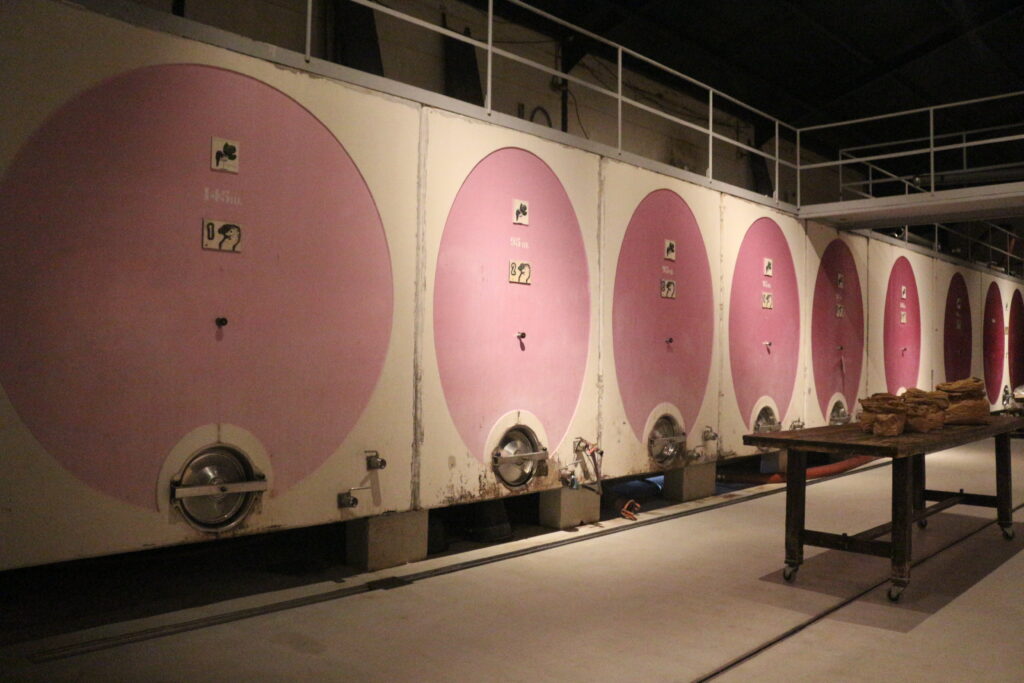
Highly Recommended
- Highly RecommendedBalfour Nannette’s Rosé (Rosé) 2024Kent, England
Located in the centre of Kent, an area once known for its fruit orchards and hops, this increasingly successful estate is currently being guided by the second generation, Fergus Elias, A complex blend of different clones (Fergus's passion), this predominantly Meunier blend is a pale pink and some serious depth. Far from being a fruity style, it starts off with linear freshness, only revealing some darker cherry fruit and creamy richness as it opens in the glass.
- Highly RecommendedMorize Rosé des Riceys (Rosé) 2022Rosé des Riceys, Champagne
Very pale garnet. Lots of big silky red fruit on the nose, a hint of spice, some black fruit. Silky, soft, beautiful fruit with dark, rich cherries continues on the palate, with a hint of spice. Lovely concentration and weight, this wine is serious but approachable and easy to drink. There is some charming complexity and depth, mouth-filling and mouth watering, with enough structure to make this a wine which crosses the borders of a red-rosé.
- Highly RecommendedBodegas D. Mateos Collección de Familia La Mateo La Rosé (Rosé) 2023Rioja, North-Central Spain
Pale coral pink. Oodles of soft, generous spice and baked fruit on the nose; toasty, nutty, warming and welcoming with generous tropical fruit, bananas, toffee and vanilla. On the palate, this is refined and powerful, yet linear and driven. Zazzy acidity, crisp and silky, leads to a slightly flinty, almost glassy finish. Remarkably fresh and elegant given the opulence of the aromatics. Refined, classy and a great standard-bearer for fine Rioja rosé, though I would like to see a little more concentration and structure on the finish.
- Highly RecommendedGaralis Winery Retsina (Rosé) 2024Lemnos, Greece
A relatively new retsina rosé on the market - this is the first vintage, and like a number of the Greek rosés in this report, showing bold, confident , highly individual character. Oodles of ginger spice and resin. Powerful and oaky. Delicious, from Greece. Yes please.
- Highly RecommendedChâteau des Bormettes Instinct Parcellaire (Rosé) 2025La Londe, Provence
Creamy water white peach, almost blanc de noir-esque. Delicate peach aromas with pretty white flowers. The palate is surprisingly intense and weighty with vibrant, almost searing chalky acidity. Red berries, sour raspberries, and fresh vibrant red fruit are joined by crisp, mineral green apples. Shows textured phenolics and a whisper of fresh thiol notes. Not overly complex, but the bold, confident weightiness is very appealing. Elegant, beautifully lacy, and possessing floral charm. More of a crisp white than a fruit-driven rosé, but delicious, showing lots of potential to take on more of a gastronomic element and perhaps even a little bit of richer ageing.
- Highly RecommendedJeff Carrel Domaine d’Ansignan Les Grenadines (Rosé) 2025Côtes Catalanes, Catalonia
Bright, translucent cherry red! Sweet cherry red fruit on the nose with oodles of pretty pink cherries and light cherry fruit. Wild strawberries and barely ripe raspberries. Warm and generous on the palate with dry, gentle tannins. The ever so slightly crunchy youthful tannins really lift this up. Absolutely dripping in fruit, but with the tannins and edgy pithy acidity to cut through, this doesn't feel like a tooty-fruity white zin sort of rosé. It is gorgeous. Silky, confident, fruit-driven, textural, and mineral. Slightly sour on the finish, showing more cool climate fresh crunchiness than heavy weight. Absolutely invigoratingly charming. Perfect for a warm summer evening.
- Highly RecommendedQuinta do Sobreiró de Cima Vergueiro – Tinta Roriz (Rosé) 2021Tras os Montes, Portugal
Copper pink. Savoury honeyed notes on the nose with a hint of curry, roasted nuts, and slightly nutty orange citrus fruit. The palate offers so much rich ripe fruit, appearing almost sweet and ripe with some sour red cherry crispness. Beautifully silky, with vibrant blood orange acidity and a slightly black slatey minerality. A tiny hint of smoky sweetness on the finish, presumably from oak. Lovely depth, clearly reaching to some wild fennel and slightly reddish spice towards the finish, offering lovely complexity. The fruit leans very ripe and almost sweet, presenting a slight danger that it could go flabby over time as the acidity is charming but not particularly high. Citrussy without freshness for the sake of freshness, and spiced without feeling heavy. Beautiful herbal notes at the very finish. What a charmer. Very clearly a cut above, beautifully well integrated, and classy.
- Highly RecommendedCeller les Freses Rosa (Rosé) 2025Alicante, Southern Spain
Pale shell pink to pale coral. Very floral and sweet pear aromas on the nose. Slightly reductive at first, it very quickly pivots to slightly bruised apples and an oxidative, natty floral crispness. The palate is rather pretty, showing lovely dry Muscat character with fragrant lemongrass and fresh leafy acidity. Elegant, zesty, fruit-driven, and crystalline. Very crisp and crunchy. Not a great complex wine, but a lovely handling of the variety embracing the aromatics and firm, piercing acidity. For someone looking for a rosé with genuine aromatic charm but still fresh, delicate, driven, and textural.
- Highly RecommendedLe Grand Cros Aurélia (Rosé) 2021Côtes de Provence, Provence
Coral pink to mid-depth salmon. Lots of firm, vibrant, slightly smoky new oak on the nose. The palate reveals generous red fruit, fresh raspberries, hints of black fruit and blood orange citrus, all set against a regal, opulent oak backdrop. While the oak is still slightly firm and dry, it is the youthful, energetic fruit, driven by plenty of acidity on the finish which carries the wine. Unashamedly aiming to be a fine rosé first and foremost - and not even pretending to be a summer poolside quaffer. Needs time, but highly concentrated and moreish.
- Highly RecommendedAvignonesi 50&50 (Rosé) 2024Toscana, Tuscany
Pale golden salmon pink. Soft bruised orchard fruit, honey, saffron and a hint of citrus on the nose. Mellowed fruit on the palate, showing pithy apples, raw nuts, white peaches, red apples and a hint of quince. Loving the complexity of fruits and the fresh, vibrant acidity that opens up to floral complexity. Crisp, with some pithy texture and slightly pithy citrus fruit alongside a hint of smoky tannin. Lovely concentration, elegant, moreish and driven. A fabulous balance of fresh elegance and weighty complexity.
- Highly RecommendedDomaine Saint-Jean de Villecroze La Chapelle (Rosé) 2023Côtes de Provence, Provence
From the Haute-Maure lieu-dit of Flayosc. Golden salmon-coral. Creamy, nutty aromas with tropical flowers, bright herbal notes, soft peach, sweet oak and a hint of smoky toffee. Intense, opulent and unapologetic on the palate, delivering remarkable freshness and electric orange acidity. Vibrant and mineral right to the finish, enveloped by rich, soothing creaminess and well-integrated, dry oak tannins that still need time to mellow. Choosing a path inspired by Garrus and fine white wines rather than Tavel or Rioja; a refined, classy example of the creamy complexity achieved by malolactic fermentation in top Provence rosé.
- Highly RecommendedSem Igual Vinho Verde (Rosé) 2022Vinho Verde, Portugal
Pale copper-salmon pink. A little subdued on the nose at first, revealing sweet new oak, floral citrus notes and red currants. Remarkably fresh and zippy on the palate with vibrant red and green apples, passion fruit and a hint of slightly nutty oak. Weighty intensity bridges the divide between restrained elegance and ripe fruit. The finish is an electric explosion of crisp perfumed apples and lemon juice acidity. An absolute crowd-pleaser for rosé lovers looking for something slightly unusual with added complexity.
- Highly RecommendedLa Fiorita Ninfalia (Rosé) 2024Toscana, Tuscany
Pale shell peach pink. Restrained on the nose, opening to soft pears, perfumed red apples, red berries, and the slightest whisper of papaya. The palate offers rich, juicy peachy fruit with good intense weight, backed by remarkably vibrant, precise, and fresh acidity. Features fine delicate minerality, a silky structure, and a saline length, softened by a slightly chalky, pippy red berry ripeness on the finish. As it breathes, the orchard fruit really softens, allowing in more perfume and soft red flowers. Quite charming and joyous, delivering a beautiful wine that isn't compromising on the charm, fruitiness, and elegance of a youthful rosé while still offering something concentrated and serious.
- Highly RecommendedMartinez Lacuesta Hinia (Rosé) 2022Rioja, North-Central Spain
Intense copper pink with light cherry red reflections. The aromatics are notably evolved and savoury, showing a saline, umami-like character with long oaky fruit and dark herbal woodiness. On the palate, pretty oak is supported by firm, sweet vanilla charm, spice and a hint of floral notes. The fruit profile consists of concentrated dark sour cherries, salty plums and rosehips, all defined by an exceptionally vibrant and taut cranberry acidity. This is a concentrated, tangy and complex Clarete style that carries enough weight and structure to serve as a summer red. While it is not a wine to bring fine rosé to the masses, it is a fabulous, serious wine.
- Highly RecommendedChâteau de Mille Luberon (Rosé) 2025Luberon, Provence
Almost a creamy white, very pale shell. Delicate but intense white fruit aromas of ripe dried peaches and apricots. On the palate, the delicacy evaporates, leaving a firm structural grip, lots of weight and a glassy, long, delicately mineral acidity. Crunchy white citrus and delicious white peach freshness; elegant, zippy and concentrated, with a slightly grippy, sandy phenolic finish. Rich, vibrant and almost lush.
- Highly RecommendedMaximo Abete La Rosa (Rosé) 2023Navarra, North-Central Spain
Still very youthful, this dark coppery salmon pink has restrained aromas of pretty white flowers, stone fruit and hints of creamy lees and oak. Quite tight and closed on the palate opening out to reveal lightly floral notes and full bodied and crunchy wild redcurrants and taut wild raspberries giving a slightly pithy and fresh acidity. Textured, gravelly, linear structure, and a slightly black, inky salinity on the finish. The elegant austerity of this wine pointing away from the fuller bodied Navarran style and towards the more modern, Provençal-inspired mineral 'gris' style rosés.
- Highly RecommendedLa Bastide Blanche Bandol (Rosé) 2025Bandol, Provence
Bright copper pink. Somewhat restrained on the nose with hints of floral red fruit, exploding on the palate with beautifully textured acidity. Lightly sandy, driven and incredibly powerful. A hint of white pepper, some spice and the tiniest hint of tight, dry tannins. The beautifully lasting, saline finish finally yields a touch of red fruit: wild strawberries and a hint of quince. Charming, classy and remarkably refined.
- Highly RecommendedRicardo Costa Pingarelho Teras do Sico (Rosé) 2022Beira Atlântico, Portugal
Very pale coral. Crisp red fruit, classic Baga cranberries and pithy red berries. Sweet, almost American oak, dominates the palate, an unusual and distinctive vibe, well-integrated but certainly not invisible. Slightly salty minerality, opulent fruit and stunning freshness, with searing acidity towards the finish. Creamy, slightly decadent texture and pretty, slightly dark and gravelly tannins. Confident, well-made, elegant and utterly charming, proof that rosé can be fun and fruity while remaining serious and single-barrel story-driven.
- Highly RecommendedKechris Roza Retsina (Rosé) NV
Dark pink. Lovely red fruit. Fresh minty resin with lots of red berry fruit, spice that goes a bit beyond simply pinewood and includes fresh ginger and fresh turmeric. Unique and lovely. Is this a fine rosé? It ticks the box of story and unique typicity, tradition and quality, and Kechris can put on an exceptionally unique retsina vertical if asked nicely.
- Highly RecommendedBodegas Ysios Ysios (Rosé) 2024Rioja, North-Central Spain
Delicate salmon pink. Creamy white fruit, barely ripe stone fruit, crisp white citrus and a hint of red berries aromas. On the palate the wine is more structural than fruit driven, with ripe orchard fruit weight gives concentration and intensity with some dark fruit notes of blueberries, blue flowers hidden mid-palate. There is some linear delicacy of white peach and lime acidity, and a fine stony austerity on the length and a vibrant, almost piercing freshness on the finish. Powerful, concentrated, very textural with some velvet charm.
- Highly RecommendedKtima Spiropoulos Limna Vineyard (Rosé) 2021Peloponnese, Greece
Mature copper pink with sweet oak, pipe tobacco and generous spice with hints of cream and sweet mellow oak aromatics. Sweet, oxidative, unapologetically rich, with marmalade, dried apricots, earl grey and a whisper of black tea. Lovely acidity on the palate, with pretty crisp red berries, old cream lace, pot pourri and ripe quince. Aniseed and a saline herbal sharpness with quite generous alcohol on the finish. Exciting and powerful, with an old world restrained class. Would have liked a touch more fullness and red fruit, but this is not a pool wine; it's a whole other category, full of autumn sunlight and complexity.
- Highly RecommendedOlivier Horiot En Barmont (Rosé) 2019Rosé des Riceys, Champagne
Pale red. Mature, slightly leather-gamey aromatics. On the plate, beautifully vibrant with very fresh, crunchy red fruit, with lovely silky ripeness. No tannins, long fresh acidity with a hint of salinity. Not obviously a rosé with its fine, light red colour. More of a natural red Bourgogne. Incredibly powerful on the palate. A natural wine first and foremost, with brilliant acidity and brilliant fruit. Lovely concentration with harmonious length; it just keeps on going. Tannins are silky and invisible. Concentrated and a cut above.
- Highly RecommendedChâteau Henri Bonnaud Palette (Rosé) 2025Palette, Provence
Very pale coral. A hint of soft waxy lees on the nose alongside creamy peaches and orchard blossom. Incredibly refined and delicate, powerful and exceptionally classy. Lots of white fruit, with red fruit conspicuously absent - but this is easy to overlook given how silky, intense and softly textured it is on the palate. Zippy, slightly citrusy acidity. Very Provençal - you can almost taste the Mistral and the limestone cliffs. Genuinely classy and refined.
- Highly RecommendedBuçaco Bairrada (Rosé) 2023Bairrada, Portugal
Moderate salmon. Bright red fruit on the nose. A hint of blueberries. Barely ripe, slightly pippy, but with Baga's boyish charm and rugged fruitiness. Firm, slightly chewy oaky tannins. Oak increasingly evident on nose as this breathes, but wonderfully supported by the intensity of fruit. I might have liked to see a bit less acidity, a bit more warmth - but this is undeniably Baga and Bairrada.
- Highly RecommendedChampagne Gallimard Rosé des Riceys (Rosé) 2022Rosé des Riceys, Champagne
Pale garnet with dark brick edges. Aromas of dark berry fruit. On the palate incredibly concentrated blue-black fruit, wild hedgerow berries, sloes, damsons and plums. Saline, structural, grippy acidity. Barely evident firm, serious, textural tannins adding structure. Light, elegant and refreshing, but the firm tannins point this more in the direction of a light red wine than a rosé in character. A refined and elegant wine - the fine structure could even carry greater opulence and still be beautiful. Lovely.
- Highly RecommendedDomaine des Féraud Aromes des Maures (Rosé) 2024Côtes de Provence, Provence
Pale copper-salmon. Restrained on the nose with stone fruit, almond blossom, supple red berries and a hint of savoury, nutty oak. Crisp, remarkably saline acidity on the palate with a slightly coppery, metallic edge, softened by slightly sweet vanilla oak. Elegant and silky, with somewhat jammy raspberries popping up on the finish to lift the oaky concentration and structure. Juicy, weighty and quite serious, yet still very much a fun rosé.
- Highly RecommendedChampagne Devaux Val Bazot (Rosé) 2018Rosé des Riceys, Champagne
Slightly orangey pink. Aromas closed with hints of bonbon anglais. Mineral, saline, austere, long length, precise. Alcohol a little present on the palate, giving this a slightly less than precise feel. The finish is 'ciselé', sharp and precise, with a mineral, saline edge. A different, more rosé expression on the finish.
- Highly RecommendedChâteau Bellini Bocaïa (Rosé) 2023Coteaux Varois en Provence, Provence
Creamy golden white. Fresh white peach aromas, orchard blossom, spice, some tropical white flowers and a hint of black pepper on the nose. On the palate, chalky acidity, white peach fruit, slightly saline minerality and a broad white breadth mid-palate. Beautiful concentration; silky, powerful, and packed full of orchard fruit alongside layers of spice and floral charm. Remarkably full-bodied, but lifted by exceptionally well-integrated acidity. Very fine and very elegant.
- Highly RecommendedChâteau de Pibarnon Nuances (Rosé) 2022Bandol, Provence
Copper cherry pink. Typical reductive notes and restrained red fruit of young Mourvedre on the nose. On the palate, red cherries, strawberries, raspberries a beautiful intensity of fruit - absolutely oozing with juicy red berries, but still somehow boxed in by firm, rigorous, unyielding slightly reductive minerality. Pretty inky intensity. Hints of liquorice and wild fennel, lavender and garrigue. Pretty acidity, lots of ripe juicy fruit. Beautiful concentration and exceptional depth. Textural, chalky, rigorously structural. Stunning rosé that goes over and above in every possible way.
- Highly RecommendedSeñorio de Villarrica Canta los gallos Clarete doble lias (Rosé) 2024Rioja, North-Central Spain
Very pale coral pink. Slight oak on the nose with delicate crushed cherries, raspberries, sour cherry water ice, and very serious tropical yellow flowers. A hint of smokiness and generous oak. Beautiful on the nose. Silky and pretty on the palate with nice delicate structure, fresh acidity, blue fruit, and mineral notes. The mid-palate chooses freshness and a glassy elegance over weight and ripeness, leaving the oak struggling slightly to cover the gap. While the pretty tropical floral notes do not quite translate into ripe fruitiness, the oak gives sweet richness, juicy cherry jamminess, and mouthwatering acidity. It is wonderfully juicy, fresh, and elegant, with layers of complexity and depth. Hints of white pepper, beeswax, and smoked salt. Classy, refreshing, and complex with lovely intensity of fruit, weight, and structure.
- Highly RecommendedNovus Acquarella (Rosé) 2025Peloponnese, Greece
Moschofilero is easily one of our favourite rosé varieties - and this sort of wine shows just why. Pale pink coral. Pretty perfumed and floral notes, with some grapey Muscat notes. On the palate it is rather opulent and generous with fresh crab apple, sour red currants and delightful Moschofilero fruit. Powerful, with real grip and muscular, unrelenting acidity, and generous alcohol that really packs a punch. Don't let the pretty flowers and pink fool you, this is gutsy, serious and unapologetic, with potential to mellow after a few months or years. Dry Muscat rosé is a hard style to achieve, but this has fruit, charm and happiness, even with this level of powerful seriousness.
- Highly RecommendedChâteau la Genestiere Tavel (Rosé) 2025Tavel, Southern Rhone
Genestière in Tavel seems to get better every year, and has really excelled in this vintage, producing a wine of remarkable elegance and finesse. Light crimson pink-red with restrained aromas. The palate follows with an explosion of ripe, generous fruit. Vibrant red berries, crunchy red fruit, ripe and generous and fruity. A full-on joyous summer wine bursting with fruit, exuberance and acidity. Slightly longer maceration gives a pleasing phenolic structure, mouth-watering stoniness and dark black fruit inner depth, making this appealing to red wine drinkers. Joyous and super fun, showing that not all dark rosé has to be complex or oaky to be well-made.
- Highly RecommendedQuinta da Pedra Alta Rosé (Rosé) 2024Douro, Portugal
The pure character of Touriga Nacional seen here with extended maceration of four days and spontaneous fermentation largely in inox and only a small amount in large oak. The fruit is fresh and crunchy with crisp white peach and red berry ripeness. But it is the lovely texture and phenolics combined with the salty tautness which makes this wine sing. Only the fifth vintage of this wine so will be interesting to see how it ages.
- Highly RecommendedPrior Lucas Fénix (Rosé) 2022
An exceptionally unique wine from Bairrada, aged in Macacauba wood barrels - an exotic hardwood from the Amazon. The pale copper hue and and soft, toffee, nutty aromatics clearly point the way to a rosé with some age. Promising rich, round fruit, but instead the lean austere character of the Baga variety dominates, with long, piercing acidic length, green apples and unripe redcurrants, Barrel ageing gives some weight and the oxidative handling helps to soften the edges and contributes some complexity, the fruit coming more to the fore as the wine opens up, taking on an old bruised apple character alongside a musty, scented wood nuttiness.
- Highly RecommendedMarques de Caceres Rosado (Rosé) 2025Rioja, North-Central Spain
Pale salmon pink. Crunchy, nutty stone fruit and a hint of red berries on the nose. Lovely concentration on the palate - weighty, grippy and textural. Intense, tight white citrus acidity cuts through notes of bitter almond, marzipan, white tea and a very gentle orange blossom perfume. Concentrated, disciplined and efficient, yet still charming and suave. If you are looking for classic rosé done right, look no further; it may not be a complex fine wine, but for under £10, it is downright pleasant and you could do far, far worse.
- Highly RecommendedBastiàn Petra’s (Rosé) 2024Istria, Balkans
From the white limestone hills of Buje in northern Istria, this young producer has already caught the attention of lovers of fine rosé. This is their premium cuvée, inspired by the winemaking of Château d'Esclans, with fermentation and 8 months ageing in 500l new barrels. Harvested for freshness, the very-non-Provençal Cabernet Sauvignon and Merlot succeed in creating a charming rosé. Pale golden pink, the oak is very well integrated with the soft, ripe fruit and the crunchy red berry acidity and long mineral freshness.
- Highly RecommendedPago de Larrainzar Navarra (Rosé) 2025Navarra, North-Central Spain
Quite pretty black fruit. Smoky, hints of liquorice. Big, chunky weighty texture. Meaty, bold, chunky, lots of black fruit. Big and confident, although the Merlot needs some oak to fill out the mid-palate. Not an unpleasant wine. Still maintains lovely freshness and elegance despite that rich black fruit. Rather yummy.
- Highly RecommendedWilliam Wouters Rouleta Russa (Rosé) 2023Bairrada, Portugal
Pale coral. Pretty smoky black tea notes, a hint of overripe mango and yellow peach. Cantaloupe and slightly saline smokiness on the nose. Remarkably full-bodied on the palate, bringing pretty orange flowers and tropical intensity to the mid-palate where thinner rosés would offer only razor-thin acidity. Slightly phenolic, slightly drying tannins on the finish, enveloped by exotic prettiness. Refreshing, elegant, perfumed and utterly ripe, despite the risible 11% abv. Charming, and a genuinely thoughtful, wholesome and serious wine for a very reasonable sub-€25 price point.
- Highly RecommendedChâteau de Beaupré Collection du Château (Rosé) 2025Coteaux d'Aix-en-Provence, Provence
Pale shell pink. Hints of tropical fruit and slightly pink grapefruit on the nose. Lovely ripeness with lots of juicy acidity on the palate, evolving towards the mid-palate into a soft, velvety spice and hints of inky liquorice. Ripe but very well-balanced, leaving just a whisper of rich, weighty texture on the finish. Classy and very charming.
- Highly RecommendedCrow’s Lane Estate Black Book (Rosé) 2022Essex, England
Pronounced copper coral. Strawberry and spice nose, with almost perfumed Indian spice notes. Vibrantly fresh, with crunchy red berries verging on the unripe and a leafy, vibrant acidity. Not showing its age, other than a touch of mellowing through age.
- Highly RecommendedChâteau de Sannes Aciana (Rosé) 2025Luberon, Provence
Very pale shell. Slightly grassy tropical fruit on the nose with a touch of white citrus. Crisp, refreshing and beautifully intense on the palate with quite generous red fruit. Confident and zesty, bursting with red berries and really well-integrated acidity. A top-notch, summery-inspired rosé; utterly charming, refreshing and full of life.
- Highly RecommendedBodega Dehesa de los Canonigos Luzianilla Clarete de Guarda (Rosé) 2022Ribera del Duero, North-Central Spain
Dark copper pink. Creamy, leesy, lightly oaky notes on the nose with a touch of red fruit. Slightly smoky oak continues on the palate, with some precise crisp, slatey mineral structure. There is a punchy finish - concentrated, classy and driven with a hint of white stone fruit. There is a firm boldness in structure, but the fruit remains restrained. on the finish and possible more of a white wine - the presence of old vine Albillo in the blend certainly makes its presence felt - than a modern rosé - but still rather lovely. This is only the second vintage and a hommage to the traditional styles of Cigales.
- Highly RecommendedDomaine Montrose 1701 (Rosé) 2024Côtes de Thongue, Languedoc
Very pale coral, almost light copper-gold, verging on pale peach. A little smoky oak on the nose, some soft red fruit and well-extracted orchard fruit. Sweet peach and a hint of wild strawberries on the palate, with dry pithy phenolics. Rich, opulent, uncompromising body full of orchard fruit, balanced by crisp, firm acidity. Extracted and a little weighty towards the finish. A fabulous introduction to fine rosé.
- Highly RecommendedPoças Douro (Rosé) 2025Douro, Portugal
The first vintage of this wine, with maybe a hint of inspiration from the saline oakiness of a good whisky! Fermented in 500l barrels, this rosé is quite oaky, textural and grippy, in a modern Provence style with a Portuguese accent. Fresh and zippy, very structural, with the oak giving it a firm, assertive backbone.
- Highly RecommendedGeorges Vigouroux L’Arpège de Mercuès (Rosé) 2023Côtes du Lot, South-West
Bright rose petal pink, glowing and positive. A touch of bonbon anglais, sour raspberries, cherries and dark mineral blueberry fruit on the nose, reminiscent of some slightly older Tavel. On the palate the acidity is vibrant and party-like, long and grippy, with lots of ripe juicy red cherries and a hint of tannin. Vibrant, exciting, fruity, refreshing and energising, stepping on the toes of a light red while remaining a classy, fruity rosé. A far cry from classic Provence-style, this is a lovely option for gastronomic rosé.
- Highly RecommendedDomaines Ott* Château Romassan Bandol (Rosé) 2025
Creamy shell pink. Very restrained on the nose with a touch of red berries. Crisp, crunchy forest fruit, black berries, and soft ripe strawberries. Restrained fresh acidity, silky finish, and some firm dark inner structure. Nice intensity, concentrated, and very delicate with an inky power despite the delicacy. Remarkably mineral and slightly austere phenolic grip on the finish. Lovely classic what Provence is all about.
- Highly RecommendedBodegas Moraza Moraza Rosé (Rosé) 2024Rioja, North-Central Spain
Light red coral pink. Quite opulent, winey red fruit on the nose, spice, ripe raspberries, hints of leather and some black hedgerow fruit. Softly generous and ripe on the palate, so much ripe fruit that there is a charming rich sweetness. On the palate rose hip syrup, cherry compote and cherryade, bursting with bright fruit, a light spritz and gentle, soft tannins with balanced acidity. A touch of alcohol and a real sense of down-to-earth honesty on the finish - spontaneous fermentation, biodynamic viticulture, and no-nonsense winemaking. Not a grand fine wine, but sits between serious, gutsy and complex on one side, and generously fruity and crowd-pleasing on the other. Incredibly enjoyable, confident and rather yummy. The sort of rosé we ourselves like to drink at home!
- Highly RecommendedChâteau la Gordonne Chapelle Gordonne (Rosé) 2025Pierrefeu, Provence
Pale shell. Crisp white grapefruit and stone fruit on the nose. On the palate, there is tons of fruit providing weight and structure rather than just one-dimensional aromatics, explosive, electric acidity, gravelly, textural mid-palate. It's weighty and bold but still very crisp, vibrant, and beautifully delicate with lovely balance. A garden party rosé.
- Highly RecommendedBijou Eminence (Rosé) 2025Coteaux de Béziers, Languedoc
Very pale shell. Restrained at first, this opens up to rather pretty soft white stone fruit, a hint of raspberries, and pretty orange blossom. Crisp, delicate, and elegant - but still structured and firm on the palate. Crisp, white citrussy acidity, and riper fruit than the 12.5abv would suggest. Some slightly chalky tannins on the finish keep this disciplined and firm. Punches way above its weight, and is utterly charming and classy. Still very young, and definitely a wine to come back to in a few years.
- Highly RecommendedMas Sainte Berthe La Chapelle (Rosé) 2025Les Baux-De-Provence, Provence
Pale coral. Pretty red fruit on the nose and a touch of spice. Generous red fruit, red cherries, raspberries and a touch of brambles on the palate. Opens up very prettily on the mid-palate with some dark flinty, schistous minerality. The dark inkiness from the Mourvèdre is really pulling its weight, leading to a silky finish. Charming and utterly crowd-pleasing, yet gutsy and serious.
- Highly RecommendedBargemone Les Secrets de la Bargemone (Rosé) 2023Coteaux d'Aix-en-Provence, Provence
Pale copper gold. Beguiling aromatics of soft mellow oak, with intense smoky, tarry, cigar and peppery spice, sweet vanilla, fresh baguette and a touch of beeswax. Soft mellow fruit, though squeaky clean with no oxidation despite the richness and power of the oak. Very saline tannins, with remarkably mineral, chalky, fresh, acidity. The mellow richness is wonderfully enticing and complex, a fairy-tale enchanted forest sort of wine where everything is ever-so-slightly-unexpected. Would have liked a touch more ripeness to balance the oak, and the wine seems to be ageing faster than its three years suggest. Distinctive and classy, appealing to lovers of spiced oaked Chardonnay.
- Highly RecommendedChâteau la Gordonne Cirque des Grives (Rosé) 2024Côtes de Provence, Provence
A vin gris or blanc de noirs style. Restrained at first, this opens up on the palate to sheer intensity and a glassy, almost invisible "less-is-more" concentration and drive. Powerful and tight, recalling the effortless austerity and seen-but-not-heard minerality of Clos Mireille. A lasting, powerful and crystalline finish built on a backdrop of velvety, confident, full-bodied weight.
- Highly RecommendedChâteau de Brégançon La Réserve (Rosé) 2025Côtes de Provence, Provence
Pale creamy peachy coral. Slightly subdued on the nose. Lovely creamy ripeness typical of hot La Londe on the palate. Incredibly concentrated with serious ripeness that is more rich body than just fruitfulness. Dark blue schistous minerality restrains any opulence, offering some delicate chalky texture. Hints of citrus, hazelnuts and just a touch of mimosa blossom. Concentrated, somewhat mineral and crisp, ending on liquorice and wild fennel. Definitely not a simple swimming pool rosé, but a wine which needs a bit of age to allow the flavours to integrate a little more and for the riper sweeter fruit to develop to give added complexity. Seriously interesting, classy and concentrated, definitely aiming for stern minerality rather than fruitiness or approachability.
- Highly RecommendedLes Vignerons de Tavel & Lirac Tresor des Sables (Rosé) 2025Tavel, Southern Rhone
From the sandy soils of Tavel comes this very traditional Tavel. Bright copper pink. Restrained red berry fruit aromas with eucalyptus, garrigue and dark intense berry fruit, a touch of old oak and pot pourri spice. On the palate the damsons and bright hedgerow fruit build to subtle, almost silky but certainly present tannins on the finish, fresh acidity and some ripe weightiness. A touch of garrigue anchors this firmly to the southern Rhone, its ripeness makes it full of full of everything: fruit, tannins, acidity, aromatics and tertiary notes, Super fun and exciting, made in a style that rewards cellaring rather than youthful drinking.
- Highly RecommendedChâteau Bellini Coteaux Varois en Provence (Rosé) 2025
Pale shell salmon pink. Vibrant fresh red berry fruit, some dark ripe fruit and zesty acidity. Very delicate, but actually rather nice - a small departure in style for a wine that typically stands out for its weight and ripeness, but still very finely balanced and utterly charming.
- Highly RecommendedChâteau Galoupet Côtes de Provence Cru Classé (Rosé) 2025
Pretty floral perfumed stone fruit on the nose. A hint of red fruit, very delicate and refined. Whisper of oak and black schistous minerality, white pepper and utterly crystalline. The fine structure remains discretely hidden. Hints of barely ripe stone fruit, definitely showing the crispness of the vintage and a touch more crisp than in previous vintages - perhaps the impact of including some fruit from young vines planted vines in 2019 and 2020.
- Highly RecommendedBuçaco Reservado Rosado (Rosé) 2022Beira Atlântico, Portugal
Sadly, Her Majesty Queen Elizabeth II was served only the red (1945) and white (1944) from Buçaco when she visited in '57, but supposedly they do still have a few old bottles in the cellar... Pale salmon. Quite a lot of spice and nutty oak on the nose. Smells rather more tertiary and evolved than I'd expect given its age. Crisp, elegant, quite chalky on the palate — more concentrated and refined than the nose would suggest. Lasting vibrant finish, some black inky fruit. Vibrant, glossy, confident and clearly unafraid of individuality. More balanced and textured than the Bairrada at half the price, but I'm not convinced it's the more structured or ageworthy wine.
- Highly RecommendedLe Clos Rivieral Les Fontanilles (Rosé) 2025Languedoc, Languedoc
Very pale shell, almost blanc-de-noir. Restrained and lightly floral on the nose - absolutely benchmark Cinsault here. On the palate, remarkably textured, silky, saline and concentrated. Powerful and chalky, with a hint of light white floral notes and barely ripe green apples. Exceptionally elegant and delicate - perhaps a little excessively so - but ever so delightful. Manages texture and structure despite that elegance. Charming, like a cloud or a butterfly, even if it leaves you wondering if it is truly a rosé.
- Highly RecommendedChêne Bleu Le Rosé (Rosé) 2025Vaucluse, Southern Rhone
Pale salmon pink. A tiny hint of reduction on the nose. Sweet ripe red fruit, dry on the finish. Slightly chalky minerality - firm but elegant. Some nice concentration balancing the phenolic structure. Beautiful intensity of fruit and some real cool-climate ripeness shining. Lovely concentration with a spiced, inky mineral core that really delivers complexity and seriousness - not just pretty fruit. Is this Rhône-style or Provence-style?
- Highly RecommendedMAIA Mare Pink (Rosé) 2024Shomron, Eastern Mediterranean
Restrained on the nose. Very, very high acidity, exceptionally concentrated and refreshing. Not a vast amount of fruit, but lightly fruity, mineral, intense and clean. A model for unoaked Israeli rosé of the future. Made in a phenomenally wholesome kibbutz near Haifa where half the employees are disabled.
- Highly RecommendedMas de Cadenet – Famille Négrel Grande Garde (Rosé) 2023Sainte-Victoire, Provence
Pale gold pink. A somewhat neutral nose showing slightly smoky stone fruit, bitter almonds and almond blossom. Very delicate fruit on the palate, with lots of wild strawberries. Remarkably sweet oak is quite evident, backed up by chalky acidity and a slightly savoury, saline white fruit minerality. Definitely a step up from entry-level rosés - great weight and ripeness of fruit, good balance and very elegant. It performs a delicate balancing act, kept in check by rather textural tannins from the oak. Needs time to settle, as with every vintage of the Grande Garde.
- Highly RecommendedQuinta da Gaivosa Rosa Celeste (Rosé) 2023Douro, Portugal
One of the Douro's most iconic oaked rosés, and it never fails to disappoint. Pale creamy coral pink. Restrained on the nose, with quite stern, disciplined toasty French oak adding spice, nuttiness and creamy floral notes, almost marzipan. On the palate the oak opens up to vanilla, yellow peaches, a hint of pineapple and white chocolate, with saline, nutty richness. Quite pretty, tight and linear, with a slightly leafy, fresh mineral acidity and a tiny hint of blackcurrant and aniseed that seems to so often accompany great Douro rosés. Elegant, glassy and ethereal, delicious in its creaminess yet delicate. Classic style but clearly not Provence; very lovely, and very much a rosé for lovers of oaked whites or Garrus-inspired oaked rosés.
- Highly RecommendedVina Palacios El Arrebol de la Carra Cabra (Rosé) 2023Ribera Alta, North-Central Spain
Moderate coral. Delicate red fruit on the nose. On the palate the wine is almost a shock, dripping with fruit and almost a hint of residual sugar. Alcohol is evident and bold. Serious, bold and very expressive Grenache, most reminiscent of Bandol or the fruit-first profile of some Grenache VDNs. Uncertain whether it is refreshing enough for summer or complex enough for winter, and it probably lacks the tannins, acidity or roundness for age. Very nice today, and a classy upgrade to traditional Navarra.
- Highly RecommendedChâteau Pesquié Quintessence (Rosé) 2024Ventoux, Provence / Southern Rhone
Golden salmon pink, pale coral. Restrained floral, pretty herbal, almost leafy garrigue on the nose with dried apricot aromas; wild fennel with a pretty pungency, almost pepperiness adding real depth. Slightly reductive freshness giving a crunchy white lemon acidity with a saline herbal twist. Ripe apricot and peach fruit peeping round the taut mineral structure. Vibrant acidity, powerful and silky. Very, very fresh and linear, despite the silkiness and depth. Very elegant with some finesse with fuller ripe weight. Refreshing and very gently phenolic on the finish, which adds real structure and complexity. Tasting quite closed today, I expect this will soften and open out nicely in a few years.
- Highly RecommendedSem Igual Vinho Verde Clarete (Rosé) 2022
Ruby red. Wild raspberry, opulent cherry fruit, and blue floral minerality aromas. Gentle crunchy red berry fruit on the palate with long fresh acidity and some ripe lush soft red fruit masking a very delicate, slightly pithy and leafy tannic structure. Crisp and refreshingly gluggable. It may not ferment on the skins, but the long maceration gives it the impression of being a light summer red and perfectly illustrates why this strict division between colours is such a nonsense. This wine is a light summer red as far as the consumer is concerned, and rather lovely.
- Highly RecommendedChateau Musar Bekaa Valley (Rosé) 2020Bekaa Valley, Eastern Mediterranean
Copper gold, moderate coral. Hints of oak, nuts, bruised stone fruit and marmalade on the nose, accompanied by garrigue, almond blossom, incense and lavender blossom. Rich and enticing. On the palate, it is quite tannic, structured, tight and severe. This wine will divide opinion; while some find it somewhat lacking fruit, others appreciate its decadent yet elegant, driven, crisp and textured nature. Lightly textural and sandy around the edges, with a lightly saline mineral core and plenty of broadly appealing oranges. A little closed and tight on the finish, with a hint of phenolic grip, but otherwise a supremely complex wine.
- Highly RecommendedDomaine de la Brillane La Destinée (Rosé) 2023Coteaux d'Aix-en-Provence, Provence
Pale creamy white to pale shell. Neutral nose with a hint of stone fruit and some oak. The palate is lightly silky, showing soft white peach, fresh almond blossom, and some sweet peach. The oak provides a subtle tropical vanilla softness to quite perfumed oranges and stone fruit. Still very much in the style of a white wine but with a touch of fruit and charm, accompanied by some raw nutty phenolics. The acidity on the finish is a little glacial. It is a shame there isn't a bit more concentration and ripeness, as the oak is beautiful and the fruit is clearly extremely concentrated and qualitative. It is a pity it puts fresh elegance ahead of charm and complexity.
- Highly RecommendedDomaine la Suffrène Sainte Catherine (Rosé) 2019Bandol, Provence
Copper to golden-copper pink. Creamy, intensely rich, and spiced oaky aromas with notes of marmalade, nuts, and richly oxidative stone fruit. Restrained, mineral, and dry on the palate, featuring lovely creamy acidity with a sharp blood orange and sour apple citrussy edge. It feels like a dry fino sherry, making it an intriguing aperitif, finishing with a hint of black pepper. A rosé for those who love well-matured wine. While it initially seems decadent and complex, as it breathes, it feels slightly more subdued, austere, and missing some primary fruit.
- Highly RecommendedChâteau d’Esclans Château (Rosé) 2024Côtes de Provence, Provence
Very pale shell pink. Crisp raspberries, pink peach, satsuma citrus and a hint of white pepper on the nose. The palate is elegant, fresh and fruity, yet driven by serious mineral acidity and concentrated, weighty ripe fruit. Oak is surprisingly evident on the slightly blunt finish, lending firm, somewhat rugged tannins and a grown-up seriousness that contradicts the elegant nose. Quality winemaking, but a very modern, structured rosé that desperately needs half a decade in the cellar to allow the ripe fruit to fully emerge.
- Highly RecommendedMaximo Abete Casa Lasierra (Rosé) 2025Navarra, North-Central Spain
Dark cherry crimson with aromas of pretty red fruit. On the palate this wine is very much a traditional clarete style, jubilant, fruit-driven and quaffably fun. Starting off restrained, the wine opens up to reveal crunchy, easy-drinking and floral, with zippy, very fresh acidity and a zesty edge. Wild berries and delicate herbal tannins lead to dark, opulent fruit slowly emerging on the finish.
- Highly RecommendedChâteau de Berne L’Amphore (Rosé) 2024Côtes de Provence, Provence
Golden copper pink. Soft peach tea aromas with gentle floral notes, quince, and rich nutty fruit. A hint of gunflint on the nose. On the palate, very gentle peach, tea fruit, and satsumas. Crisp, fresh, and mineral with some gentle texture. Elegant, zesty, and delicate, it does not rock the boat or shout out fruit or texture. Pretty, soft and easy autumn sunshine.
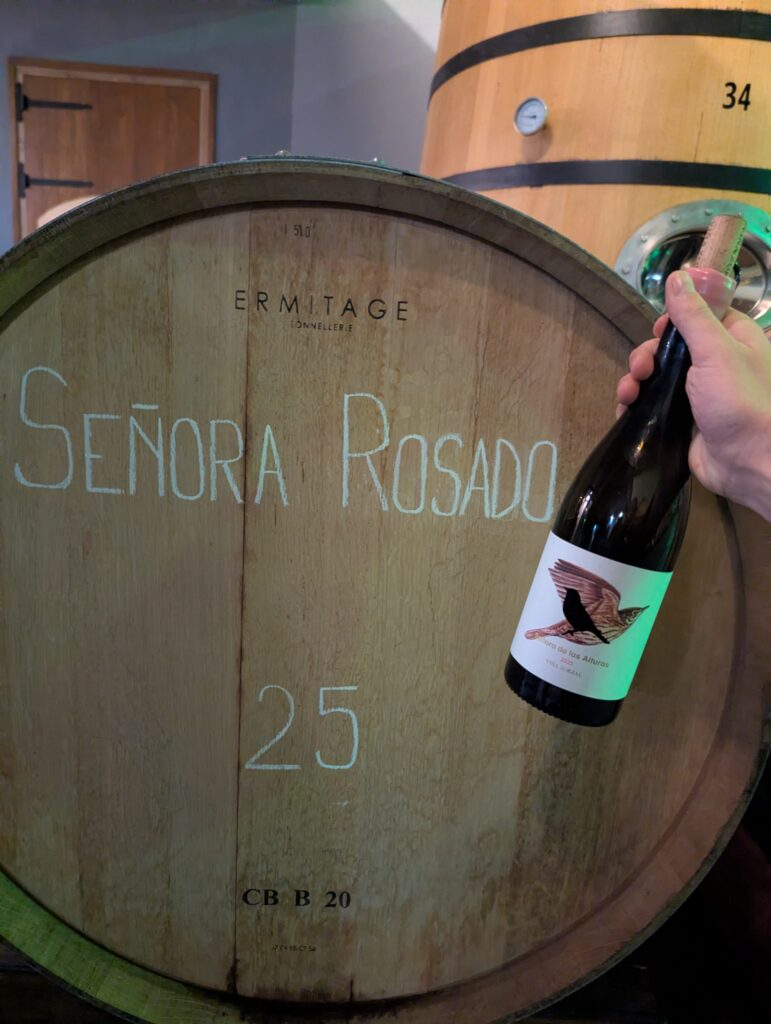
Recommended
- RecommendedKomarna Terre Madre (Rosé) 2024Croatia, Balkans
Dark copper orange. Perfumed spice with an oxidative character, tasting much older than it actually is, likely due to the oxidative style of winemaking. Nuts, bitter oranges and an almost negroni-style bitterness with a hint of barley sugar. Lovely weight, acidity and structure carry the palate. Quirky but with great acidity.
- RecommendedChâteau Gasqui Tardius (Rosé) 2024Côtes de Provence, Provence
Intense coral pink with some ruby notes. Intense and sun-kissed aromas of sweet rose hip syrup, bright red fruit, red cherries, and grenadine. The ripe fruit continues on the palate with slightly sweet and juicy jamminess firmly balanced by some firm dark mineral tannins, refined acidity and weight in the mid-palate holding it all together. Bold, concentrated and unapologetic, in line with some of the ripe Grenache rosés of Navarra and Tavel. Don't be fooled by the colour or nose, this isn't a one-dimensional fruit-bomb. Pretty, serious and textural, with the beginnings of complexity on the finish. Its youthful exuberance has a puppy-like clumsy enthusiasm, but give it time to develop and mature. A dark rosé genuinely pushing the boundaries of what Provence can offer.
- RecommendedPascal Manchin Rosé des Riceys (Rosé) 2018Rosé des Riceys, Champagne
Pale coral, the lightest Rosé des Riceys. Oak surprisingly evident On the palate the wine has a richness and silky glycerol character. Saline red cherries giving a vibrant tang. Slightly greener tannins than some of the other wines from the region, with a crunchier, more angular acidity that is fresher and leaner. Very refreshing and very elegant. Pretty.
- RecommendedJean-Jacques Lamoureux Valigné (Rosé) 2022Rosé des Riceys, Champagne
Showing wonderful Burgundian Pinot Noir character, a reminder that this southern Champagne region almost touches northern Burgundy and reminding Elizabeth of the lovely red wines of Irancy in the 1980s. Garnet red. Silky, underripe plums on the nose, savoury, gamey, mineral, with sour cherries. A tiny hint of natural leatheriness combined with a fresh liveliness. Incredibly grippy with silky tannins, powerful, mouth-filling and concentrated. A little saline and mineral. Gutsy and real.
- RecommendedChâteau Henri Bonnaud Sainte-Victoire (Rosé) 2025Sainte-Victoire, Provence
Very, very pale shell. Perfumed and floral with very ripe orchard fruit and blossom. Nice concentration on the palate with lots of black, inky fruit and a wonderful dark minerality. Concentrated, exciting, charming and very suave; blackberries and fresh raspberries make this very classy and utterly worthy of the Cru Sainte-Victoire label.
- RecommendedChâteau Capitoul Rive (Rosé) 2020Languedoc, Languedoc
Golden copper, pale gold. Soft mellowed, oxidative fruit on the nose - age? oak? Lots of nuts, a hint of garrigue, almond blossom, bitter almonds, eucalyptus and a hint of menthol. For those who like a long oak-aged, slightly oxidative style rosé, this is very charming with salted bruised apples, fine saline acidity and lots of oak coming through. Possibly a little too delicate to manage strong flavours. Red fruit has mostly disappeared, and this is not a wine for those who aren't convinced of the merits of an oaked rosé. Alcohol is quite fierce on the finish, and the acidity is a little jagged. It is charming, distinctive, characterful and complex - and remarkably concentrated - but a little lacking in red fruit. It is a whole other category, not just a rosé with some weight and complexity. A very specific style which could be deemed oxidised and out of condition, or quirky in the Jura-esque natural wine scene.
- RecommendedCaves São Joao 99 Anos De Historia (Rosé) 2018Bairrada, Portugal
Pale coral. Big, bold oaky notes on the nose with spice and marmalade. Crisp, mineral and a little firm and saline, with pretty notes of almond blossom. Pithy phenolics and a slightly drying minerality, dry chalky texture, a touch of soft white citrus and some pretty red fruit. Very crisp, pale and refined, with nice fruit and oak. Ageing well although not developing much mature tertiary character. Fun and exciting, drink and enjoy today rather than for laying down for a few years.
- RecommendedVignerons de Grimaud Les Aumarets (Rosé) 2025Côtes de Provence, Provence
Very pale shell. Hints of strawberries, ripe raspberries and pear drops on the nose against a backdrop of rose garden florals. A simple, technical style, but very pretty, summery and perfect for a summer garden party. Silky acidity, no rough edges. Nice acidity, and ends on a really pretty and remarkably harmonious saline note. I would have loved to see a bit more concentration and intensity - but this is incredibly delicate, elegant, verging on ethereal. Crisp, lacy, lightly fruity. Classy wine. I just wish it went one step further.
- RecommendedValdelosfrailes Cigales (Rosé) 2025
Pale shell salmon pink. Delicate floral and red-skinned apple aromas with hints of peche de vigne, melon, and papaya. Pretty apple blossom and fresh red-skinned apples continue on the palate. Fresh crisp delicately mineral acidity, crunchy, juicy red fruit, and an almost cool climate crunchiness. Lovely concentration with a little pithy and phenolic finish. Not a complex wine but very moreish, exciting, and fruit-driven. A fun, youthful rosé that will appeal to every demographic.
- RecommendedQuinta da Gaivosa Rosé da Gaivosa (Rosé) 2025Douro, Portugal
A really interesting wine, as this is the younger sibling or second wine to Quinta da Gaivosa's famous Celeste. Pale golden pink to very pale shell, almost blanc taché. Creamy white aromas with leafy spice, black pepper and inky liquorice, black tarry fruit. Oak gives a somewhat short bluntness at first, opening out in the glass to reveal greater oaky richness. Unripe fruit and a touch of slightly grassy gooseberries give tremendous freshness and linearity. Crisp, crunchy, acidulated palate with some raspberries and slightly sour, long austere minerality on the finish. A little phenolic and drying, a little more fruit would make this a bit more interesting; would like to see it in a year or two.
- RecommendedSimpsons Estate Derringstone (Rosé) 2023Kent, England
Pinot Meunier blanc de noir, the pale colour of a Provence rosé from the chalky North Downs of Kent, within close proximity to the sea. Malolactic fermentation contributes the rich creaminess. Creamy white fruit aromas. On the palate there is good concentrated weight, chewy, mouth watering acidity, with some fresh leafiness, softened by bright red fruit and some honeyed richness.
- RecommendedChâteau La Coste Grand Vin (Rosé) 2024Coteaux d'Aix-en-Provence, Provence
Salmon pink, very pale shell. Very restrained aromas with a hint of reduction, some Syrah spice and a touch of blue fruit. Lovely weight and concentration of slightly saline ripe strawberries and some rich dark fruit. A hint of leesy toasty notes, long fine, slightly pithy acidity and long dark minerality. Structured, mineral, saline, slightly foursquare and blunt structure. It has nice depth and a hint more complexity than typical of many similar rosés. Balanced, concentrated and rather lovely, though the finish is a bit blunt; it is intense but lacks that extra step of charm, pizzazz, or perhaps a slightly lengthier finish. Maybe better with food - a little too dark and structured for easy drinking, but definitely a step up in terms of intensity.
- RecommendedLes Vignerons de Tavel & Lirac A la Mano (Rosé) 2024Tavel, Southern Rhone
The first vintage of this particular wine in the very fashionable chilled red style of Tavel. Bright cherry-ruby red. Floral, perfumed and juicy red fruit aromas, winey, black cherries, with dark liquoricesque hedgerow fruit, damsons and a whisper of juniper. Very much in the school of Eric Pfifferling, a light red wine prioritising crunchiness and fruit over oaky complexity. Smooth inky tannins, blue florals, spicy minerality and supple velvety black fruit, though fresh and remarkably mineral, almost angular acidity keeps it firm and concentrated. A tannic red but so smooth and silky; do not expect firm structure. Refreshing and thirst-quenching, very much a light summer red rather than a winter rosé, fruit-driven, zippy and charming rather than complex and oxidative. A great new direction for Tavel, the name 'a la mano' referring to the hands-on method of winemaking.
- RecommendedIzarbe Vino Rosé (Rosé) 2022Rioja, North-Central Spain
Golden yellow with apricot edges. Oaky, oxidative, tertiary aromas with a slightly saline, aged character. Old fashioned and quirky, tasting like an old Tibouren. Creamy, dried peaches and nuts, though it could do with more fruit, weight and structure. Fabulous acidity despite the alcohol, with freshness and some gentle tannins. Almost funky, but really rather lovely in its own old-fashioned way.
- RecommendedChâteau de Berne L’Enclos (Rosé) 2023Côtes de Provence, Provence
Bright copper pink. Ripe quince fruit on the nose with generous winter citrussy fruit, a hint of marmalade, and soft lees. Rich, opulent, and gently oxidative. On the palate, there is some quince, saltiness, and long fresh acidity, contrasting with remarkably elegant, mineral, linear, and crisp fruit. Pretty chalky minerality on the finish with some white flowers. Underwhelming to my taste, but will please those looking for a classic rosé with a bit of tertiary on top.
- RecommendedDomaine de Rimauresq Cuvée Rebelle Cru Classé (Rosé) 2024Côtes de Provence, Provence
Pale coral pink. Lots of red fruit on the nose. Sharp wild red berry acidity, this is a full bodied rosé with rugged, textural, gravelly dark inky black fruit. Reminiscent of a full bodied Tavel, trying to balance that fruit with acidity and elegance, but held back by an unwillingness to embrace the tannin or colour that this style of darker, weightier rosé demands. Needs a few years to round out. Definitely made with a glance at the past, but with more than a little suspicion. Serve at room temperature.
- RecommendedDomaine Perréal Le Jas (Rosé) 2023Ventoux, Provence / Southern Rhone
Very pale shell pink. Soft dried peach and orchard fruit aromas. On the palate the fruit is ripe and weighty with sweet white peaches, apricots, quince, pears, slightly bruised apples and sweet honeyed apple blossom. Slightly floral and lacy. Crisp and surprisingly zippy with fresh, zesty, elegance, despite the somewhat evident alcohol. Slightly smoky, salty marble minerality on the finish gives another dimension. Fab summer rosé with a bit more depth. A lovely lusciousness which makes this a charming wine.
- RecommendedChâteau du Rouët Villa Estérelle (Rosé) 2025Côtes de Provence, Provence
Very pale shell. Rather lovely stone fruit on the nose, offering apricot jam, perfumed pêche de vigne, and a hint of rosewater. Beautiful richness on the palate with charmingly ripe fruit and a wonderful pink grapefruit citrussiness. Sour white peaches, phenolic pithy acidity, and Frejus minerality provide tension. Concentrated, crisp, zesty, and slightly saline on the finish. It is remarkably pretty and stands out in a selection of similar rosés for just how charmingly fruit-driven and confident this is.
- RecommendedDomaine Dalmeran Château (Rosé) 2024Les Baux-De-Provence, Provence
Medium salmon pink. Delicate, soft red fruit on the nose with slightly jammy red berries, a whisper of thiols, tangerines, and perfumed citrus. On the palate, the fruit is ripe, round, and full-bodied, showing a hint of creaminess towards the mid-palate. Zesty and fruit-driven with green thiols and a lovely silky finish, carrying a seriously intense weight. Ticks many boxes as a fabulously approachable summer wine, though it needs a bit more complexity, depth, and slightly more long-lasting aromatics to be classified as a fine rosé.
- RecommendedChampagne Guy de Forez Rosé des Riceys (Rosé) 2018Rosé des Riceys, Champagne
Dark, pale garnet, very much like light Burgundy in colour. A hint of blood orange and dark cherries on the nose, with blackberries, blackcurrants, sloes and hedgerow fruit. Concentrated and chunky on the palate, a little rustic and clumsy in style. Decent enough, though this is one to buy if looking for light Burgundy rather than rosé.
- RecommendedBastide de Fave Réserve du Prieuré (Rosé) 2023Coteaux Varois en Provence, Provence
Light copper-pink. Ripe weight, salted peaches, raw nuts, remarkably concentrated but still fresh and elegant. The palate shows powerful coconutty oak, a hint of tropical spice, and walnuts. Balanced acidity and dry, elegant phenolics on the finish. It is more of a white wine, and a slightly entry-level crisp-and-oaky at that. No red fruit, which raises the question of whether that is an essential for a rosé, but this could be a white wine.
- RecommendedLalomba Finca Lalinde (Rosé) 2025Rioja, North-Central Spain
Very pale shell pink. Crunchy red fruit on the nose. Just crunchy red fruit on the palate, crisp, mineral, linear and crystalline. Wild strawberries and some crushed red berries. A wine that will divide opinion; while some may find it has heavy-handed phenolics giving a very dry finish without any fruity charm to compensate, others will appreciate the nice grip of a straightforward, classic, simply elegant summer rosé. Lacks the intensity and ripeness of other comparable wines in the flight, and doesn't have the complexity or depth of more evidently aged or serious rosés, but it remains very enjoyable.
- RecommendedDomaine la Suffrène Cuvée Tradition (Rosé) 2025Bandol, Provence
Very pale shell pink with restrained aromas. On the palate some concentrated ripe redcurrants, crunchy red fruit acidity and fresh vibrant salinity. A little lighter on the upfront fruit than past vintages, but there is some hidden weight here balancing the phenolic structure. Very young, with a lot of power there that will emerge and fill out with time, but, as is so typical of Bandol rosé, its fruit and complexity remains hidden for the first year.
- RecommendedChâteau d’Estoublon 1489 – Roseblood (Rosé) 2024Coteaux d'Aix-en-Provence, Provence
Very pale coral. Restrained on the nose other than some smoky oak. On the palate, it is quite rich and supple, with vibrant acidity jostling for attention against a chalky spritz and soft, round, slightly sweet oak. Quite youthful and zesty. Zippy, fresh, and crisp with some pretty yellow stone fruit and a touch of taut red apples. It lacks a bit of confidence, seemingly unsure whether it is prioritising freshness or complexity, and I would have liked to see more depth, concentration and fruit to keep up with the oak.
- RecommendedClos d’Alari Le Grand Rosé (Rosé) 2023Vin de France (Provence), Provence
Intense copper pink. Soft, very ripe bruised peaches, butterscotch and a hint of lactic banana on the nose. On the palate, it is opulent and oak-driven, with very sweet oak and ripe tropical fruit. A softer, lower-acidity style with firm oaky tannins on the finish that sit slightly apart from the fruit. A bold, weighty rosé for those who prefer ripe opulence and oak over crisp definition.
- RecommendedDomaines Ott* Clos Mireille Côtes de Provence Cru Classé (Rosé) 2025
Shell salmon pink. Very neutral white fruit, juicy white peach, and zesty, lacy, pretty white flowers. Crunchy white acidity and pale blue minerality. Very much the Ott style of clean purity of white peach fruit. Concentrated but restrained, with a firm, phenolic, drying, pithy finish. Schistous rather than the ripe intensity expected of La Londe.
- RecommendedBodegas Marqués del Atrio Marqués del Atrio Rosado (Rosé) 2025Rioja, North-Central Spain
Very pale shell pink. Lots of round blueberries, hedgerow fruit, a hint of spice and wild strawberries on the nose, suggesting a Syrah influence. The palate is defined by its crunchy redcurrant acidity and dark fruit structure. Simple, delicate and drowning in fruit, making it incredibly charming, approachable, and easy-drinking. Quite mouthwatering and perfect for an Indian summer afternoon where a bit more depth is called for.
- RecommendedDomaine De La Portanière Pierrefeu (Rosé) 2025Pierrefeu, Provence
Pale shell. Slightly restrained at first, opening up to exceptionally perfumed peaches and pêche de vigne. A hint of chalky, saline minerality grounds some barely-ripe raspberries and wild strawberries. Very classic, with a nice balance of freshness and concentrated fruit; exactly the sort of wine you dream of during an unbearable heatwave.
- RecommendedDomaine des Terres Blanches Les Baux-De-Provence (Rosé) 2025Les Baux-De-Provence, Provence
Very pale shell. Ripe juicy strawberry fruit on the nose, creamy with a lovely leafy freshness. Very leafy and grassy on the palate, clearly prioritising freshness and zestiness over fruit. Primarily ripe soft red fruit with gentle phenolics. Full-bodied whilst retaining fresh elegance. A little crisp and phenolic on the finish. Zesty, leafy, suitable for lovers of a Sauvignon Blanc but who want to avoid overtly grapefruity rosés. Well-made and balanced, despite the leafiness.
- RecommendedLa Grande Bauquiere Moment Singulier (Rosé) 2025Côtes de Provence, Provence
Pale shell salmon pink. Hints of tomato leaf, crunchy red berries, and a touch of white citrus. A classic Provence style with neutral fruit and good weight. The palate features lots of spritz, fresh mineral acidity, and some crunchy red grapefruit. Pretty, modern, and well-made, I am sure it is just what many want for a crisp, dry, elegant rosé. It lacks a bit of complexity and curiosity, ending slightly blunt on the finish, which detracts from the overall charm. A real crowd-pleaser on an overcast but hot summer's day.
- RecommendedDomaine Gavoty Clarendon (Rosé) 2025Côtes de Provence, Provence
Pale salmon. Soft, freshly picked raspberries on the nose. Crunchy red fruit continues on the palate alongside a hint of red grapefruit. Lightly phenolic with nice depth and real gutsiness. A little longer skin maceration gives this real weight and plenty of red fruit. Crunchy, pretty and thoroughly enjoyable - has the fruit to hold up to a summery barbecue very comfortably.
- RecommendedChâteau Paquette Thémis (Rosé) 2024Fréjus, Provence
Pale copper. Very closed on the nose, even after being open for a few days. Rather dilute, chalky acidity, some dry tannins and restrained on the palate. After a couple of days, more concentrated weight emerges, but it is still very restrained. Firm dark mineral structure with some fresh, but not lush apricot fruit. Very little acidity, but it does not feel flabby because there is very little alcohol or fruit either. Fresh citrus saline minerality and discrete oaky structure. Floral charm, stone fruit, lovely concentration and silkiness eventually become apparent after decanting. A nice wine, but not showing any of the wow factor noted in previous years. Possibly the vintage, or still far too young.
- RecommendedJas Monges Sainte-Victoire (Rosé) 2025Sainte-Victoire, Provence
Pale salmon. Restrained and slightly floral on the nose. Very crunchy and vibrant on the palate, with plenty of freshly picked, barely-ripe wild red berries. A lovely balance of fresh acidity and gently creamy mid-palate texture is grounded by chalky, lightly mineral phenolics on the finish. Crisp, elegant, charming and utterly thirst-quenching.
- RecommendedClos de Caille Clarisse (Rosé) 2025Côtes de Provence, Provence
Pale shell pink. Very perfumed aromas with crisp white citrussy notes, a hint of white peach, and creamy nashi pears. The palate shows crisp minerality, lots of white fruit, and a slight spritz, finishing with pretty red fruit and slightly jammy amylic raspberries. A poolside crowd-pleaser that becomes softer, richer, and fruitier after breathing in a decanter, showing fabulous potential. The mid-palate currently feels a little short and flabby, with chalky acidity struggling to provide enough length and structural backbone. It perhaps needs to be bottled later to fully integrate.
- RecommendedLa Grande Bauquiere Moment Inattendu (Rosé) 2025Côtes de Provence, Provence
Very pale shell. Light, charming, pear and floral aromas on the nose. On the palate, a rich creaminess and lots of crunchy red berry fruit, accompanied by a very tiny hint of thiol freshness. There is quite a bit of spritz, but it is nicely balanced with fine mineral acidity, which itself is supported by remarkably charming fruit and just enough ripeness. Crisp, zesty, very refreshing and a bit of a summer crowd-pleaser. Simple and elegantly thirst-quenching.
- RecommendedPasqua Vigneti e Cantine 11 Minutes (Rosé) 2025Trevenezie, Northern Italy
Pale pink. Pretty black floral notes with a touch of violet lead into subtle peach, a hint of tropical guava and slightly grassy character aromas. On the palate, there is a crisp, mineral, elegance, with lots of zippy acidity cut through by ripe, gentle fruit (given extra fruity charm by some residual sugar). The freshness has a cool, leafy, floral, slightly tropical charm.
- RecommendedChâteau de Saint Martin Grande Réserve Cru Classé (Rosé) 2025Côtes de Provence, Provence
Very pale shell. Pretty pink fruit, wild strawberries and red flowers on the nose. Remarkably elegant, drowning in floral charm with exotic, tropical, hothouse purple flowers. Lovely fullness of body, lifted by fresh flowers and a tiny hint of white citrus. Smooth, charming and genuinely lovely straight from the glass.
- RecommendedThe Heretics Cantillon (Rosé) 2024Essex, England
Fairly restrained on the nose, with pretty strawberries and cream. Quite high acidity on the palate, with a backdrop of strawberries and more cream. Nice fruit, though slightly simple and light.
- RecommendedQuinta das Bágeiras Bairrada Reserva (Rosé) 2023Bairrada, Portugal
Moderately intense coral pink. Black cherries and a hint of florals on the nose, with red strawberries and a touch of raspberries. On the palate some nice ripeness, rounded, silky and just a little boldness, presumably from the Touriga Nacional. Very classic fruit profile, perhaps ever so slightly olde-worlde. Slightly crunchy and phenolic cranberries on the finish, with solid maturity despite the vibrant acidity. Crunchy, straightforward, fruit-driven and concentrated. A solid wine.
- RecommendedBastide de Blacailloux AQUINO (Rosé) 2023Coteaux Varois en Provence, Provence
Golden white, effectively blanc de noir. Creamy white fruit, with a hint of Earl Grey tea, white peach and a taut dark blue minerality. Waxy, with oak quite evident, raw nuts and a hint of exotic fruit. Crisp, zesty and refined, with fresh acidity, though lacking fruit and concentration and a little insipid, without the confidence of previous vintages. Needs time and more fruit to open out and fill out, but the structure and balance are there.
- RecommendedCasa de Cambres Rosé Reserva (Rosé) 2024
Pretty white fruit and crunchy red berries on the nose. Creamy, stony palate with saline, schistous minerality and a glassy texture. Gains more texture and less fruit as it warms.
- RecommendedLe Clos Rivieral Champs du Cade (Rosé) 2025Languedoc, Languedoc
One of the Languedoc's most remarkable single-vineyard rosés, made primarily from 50+ year-old Cinsault. Blanc de noir, with almost no colour. Very restrained and austere on the nose. The palate is concentrated and intense, with creamy nuttiness and beautiful intensity and acidity. Reminds us of a more serious, no-nonsense version of Ste Marguerite's Cuvée Marguerite - but is it a rosé? Does it spark joy? If all the frivolity has been stripped away to leave just structure and seriousness, what's even the point? To our taste, this a step too far in the house style of freshness. At 12.5abv and with no colour, this is more of an austere white than a rosé, and it misses out on the aromatic complexity of the beautiful garrigue that surrounds the Clos Rivieral.
- RecommendedMas de la Dame La Stèle Rosé (Rosé) 2025Les Baux-De-Provence, Provence
Pale coral, golden pink Taut red berries and a generous grapefruit citrus character on the nose. The palate shows a soft, mellowed and slightly developed profile with oxidative hints, balancing pretty red fruit with hearty citrus and plenty of ripe alcohol. It maintains a crisp, long acidity that keeps it generous and pleasant. A summer party pleaser. Slightly more international and recognisably Provence-style than many Les Baux.
- RecommendedBodegas Baigorri Baigorri Rosado (Rosé) 2025Rioja, North-Central Spain
Rose petal pink to bright ruby pink. Delicate red berry fruit aromas. Surprisingly dry and crunchy on the palate, opting for subtle minerality, linearity, and a crisp delicacy over bursting fruit. Good weight and concentration with wild red berries, but it is lacking absolute ripeness of fruit. Pretty, elegant, and will be very much appreciated pool-side, though not exceptional.
NB: The finish is marked by a pithy and distinctly sour acidity that detracts slightly from the fruit. - RecommendedSchandl’s Rosalia Reserve (Rosé) 2024Rosalia, Austria
From Austria's relatively new (2018) Burgenland DAC Rosalia, comes this excellent Blaufränkisch oak-aged rosé. Floral notes and sweet oak on the nose, with some youthful leafy, austere sternness. Sweet red fruit continues on the palate with lovely acidity, initially quite closed, but benefitting, at this young age, from decanting. As the fruit opens out it gives a rich, weightier balance to the oak, the fine oak tannins give strength and backbone and take a back seat. Still very young and one to put by in the cellar for a few years to enjoy its gracefully maturity.
- RecommendedLacules Bay Vineyard (Rosé) 2025Peloponnese, Greece
The heavy dark bottle certainly gives an aura of serious weightiness that a single vineyard justifies. Pretty cherry pink the wine reveals aromas of black cherries and rather lovely soft red fruit with notes of incense and spice in a rich, sleepy, dark and rather mysterious package. Delicately opulent ripe red fruit on the palate, ripe, decadent and almost lazy in its charming softness. Easy-drinking and complex, though the slightly bitter tannins and a lack of acidity keep it from lifting into an unquestionably refined category. Beautiful ripeness and concentration, but it comes across as trying just a little too hard to be a fruit-driven rosé.
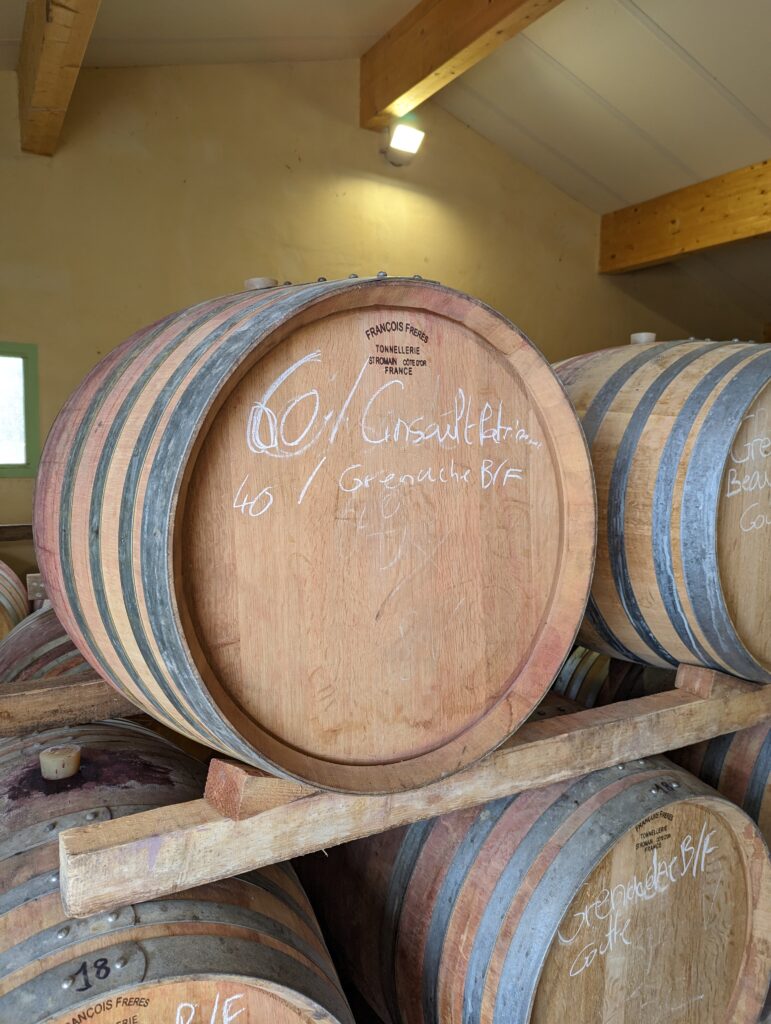
Recommended Summer Rosé
- Recommended Summer RoséEmina Rosé Prestige (Rosé) 2025Cigales, North-Central Spain
Pale pink shell. Slightly confected peach aromatics with floral peche de vigne and an almost rosewater perfume. The fresh peach fruit continues on the palate, accompanied by bitter almond and almond blossom. Concentrated, zesty, and elegant with dry pithy acidity. Seriously crunchy, with more perfume and Sorrento lemons on the finish. Classy, moreish, exciting, and summery.
- Recommended Summer RoséChâteau Canadel Bandol (Rosé) 2025Bandol, Provence
Pale coral pink with hints of white grapefruit and red berries on the nose. Quite citrusy, crunchy and zesty on the palate, the silky acidity takes a back seat to the serious, structured Mourvèdre. Drinking nicely now, but will be even more exciting in a year.
- Recommended Summer RoséCommanderie de Peyrassol Le Clos de Peyrassol (Rosé) 2025Côtes de Provence, Provence
Delicate salmon pink with a whisper of red fruit aromas. The palate follows up with crisp red berries and crunchy acidity balanced by the ripeness of the vintage. An approachable summery Provence rosé, working hard to balance freshness with weighty ripeness.
- Recommended Summer RoséChâteau Gassier Le Pas du Moine (Rosé) 2025Sainte-Victoire, Provence
Pale shell with pinkish-purple hints. Some blue fruit and some spice on the nose, showing strong Syrah typicity. Crunchy, fresh citrus acidity, ripe blue-black fruit and spiciness notes on the finish. A classic Provence rosé with a bit more weight than many and perfect for a more serious pool party!
- Recommended Summer RoséChâteau du Seuil La Réserve (Rosé) 2025Coteaux d'Aix-en-Provence, Provence
Very pale shell pink and restrained aromas. On the palate the fruit is ethereal and delicate with some crunchy red berries, white peach, crisp, slightly zippy acidity and fine minerality that gives pointed length.
- Recommended Summer RoséChâteau Saint-Esprit – Famille Croce-Spinelli Origin G1640 (Rosé) 2024Côtes de Provence, Provence
100% Tibouren from a single parcel near Draguignan, on the road to Château de Selle. Pale shell copper pink. Pretty red fruit on the nose with generous pêche de vigne and stone fruit. Remarkably fresh and citrussy on the palate, with an unusual tropical floral, almost jasmine waxiness. Very classic Provence under that slightly unusual aromatic floral crown. Beautiful acidity and lovely elegance, classic summery rosé nonetheless.
- Recommended Summer RoséChâteau Pigoudet La Chapelle (Rosé) 2025Coteaux d'Aix-en-Provence, Provence
Very pale shell. Restrained and delicate on the nose. Generously spritzy on the palate, carrying red fruit alongside pretty, ripe, softened peaches and yellow stone fruit. Ripe, elegant, thirst-quenching, and lightly chalky on the finish.
- Recommended Summer RoséChâteau Maravenne Collection Privée (Rosé) 2025Côtes de Provence, Provence
Pale shell. Some silky blackberries, hedgerow fruit, and white citrus on the nose. Surprisingly silky and soft on the palate, with the acidity gently hidden away by full-bodied glycerol and silkiness. The finish is a little pithy and phenolic. Pretty, but forgettable.
- Recommended Summer RoséChâteau La Mascaronne Grande Réserve (Rosé) 2024Côtes de Provence, Provence
Pale peach colour. Restrained on the nose with a hint of spice, peach and and dark hedgerow fruit. Pretty balance on the palate, with just enough crisp mineral citrus acidity to cut through the dark fruit. There is some concentrated weight, with phenolics on the finish.
- Recommended Summer RoséLes Vignerons de Tavel & Lirac Cuvée Royale (Rosé) 2025Tavel, Southern Rhone
Bright cherry pink. Restrained aromas of rosewater and pretty floral notes. On the palate opulent red fruit boiled sweets, redcurrants and crunchy red berries. Crisp and fresh, with a firm mineral finish and generous phenolic, tannic grip. Plenty of acidity throughout. Still incredibly youthful and currently the life and soul of the party, simultaneously appealing to lovers of a chilled red and fresh rosé. Fermentation in concrete preserves the purity of fruit while the extra structure gives this the potential to age well when the bright fruit forward character will soften and mellow.
- Recommended Summer RoséChâteau Maravenne Grande Réserve (Rosé) 2025Côtes de Provence, Provence
Pale shell pink. A hint of citrus and some red fruit on the nose. Elegant, simple, and crunchy on the palate. Pretty and floral with some red fruit, nice minerality, and phenolic grip on the finish. A pretty rosé, very classic.
- Recommended Summer RoséChâteau Sainte Roseline Collection (Rosé) 2025Côtes de Provence, Provence
A standout rosé from Sainte Roseline that very unusually contains nearly 50% Tibouren in most vintages. Very pale shell peach, almost white with delicate aromas of pretty red fruit, bruised red berries, crushed raspberries, pink-tinged pêche de vigne and wild strawberries. On the palate there is some elegant and rather lovely fruit-driven structure. Full-bodied and rounded with lots of ripe red fruit and pretty acidity. Zesty, fruit-driven, elegant and rather fun.