Our 2026 Provence report
Provence is more successful than ever.
A young drinker, not quite a wine lover yet, once told us at a family party "I don't know much about wine, only the two most famous wine regions: Bordeaux and Provence".
Provence has rocketed into public consciousness, from a rural Mediterranean backwater drifting towards international varieties to a fashionable and sexy wine region that people will pay a premium for. Behind this success lies a historic and complex tapestry of terroirs and wines that we feel deserves to be spoken about in depth.
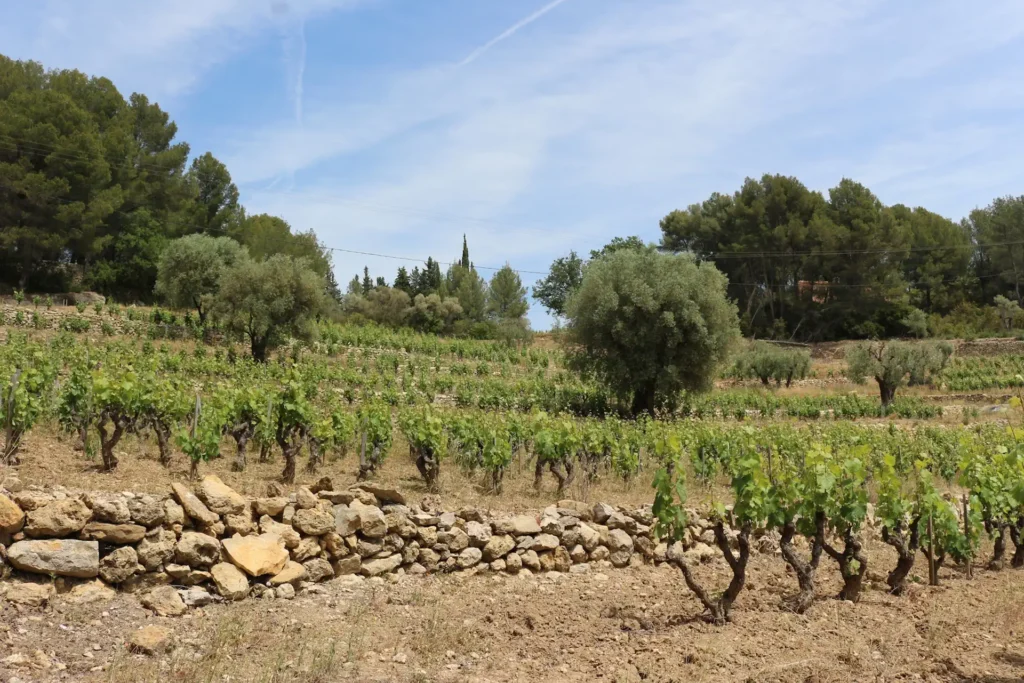
At a meeting of producers in the heart of Provence, an old vigneron commented to us, as the flashy cars drew up the chateau driveway, "the young generation don't remember how hard things were here once". This is not a region with decades or centuries of viticultural wealth. Everything here is new, and despite claims that Provence is France's oldest viticultural region (thanks to the Romans), its wine scene is in the midst of a radical reinvention. Glitzy international brands with head offices in Miami, London or Paris jostle for attention (and grapes) with 4th (and sometimes more) generation farmers.
For the full story, of course we recommend that you read our book, The Wines of Provence, but this report is a good place to start for a snapshot of the wines of the region.
What even is Provence?
In The Wines of Provence, we devote a lot of attention to this question. There is no one single definition of Provence that pleases everyone simultaneously. There is no "Provence AOP" or generic regional appellation to which every wine is eligible.
For some, Provence is the setting of Peter Mayle's A year in Provence, a fictionalised memoir that propelled the region into the public consciousness half a century ago: sleepy rural France, drenched in sunshine and joie-de-vivre. Wine was at the heart of this idyllic vision.
In The Wines of Provence, we ultimately decided to limit our definition of Provence to the historical boundaries of 1789, when the pre-revolution province of Provence represented the last time the area was grouped together in one single administrative unit, without including other adjacent areas whose formal connection to Provence is slightly more tenuous. Bellet, for instance (not included in this report), is included in the book for convenience, but is unequivocally outside of Provence.
As we say in the book, however, this 1789 definition excludes many areas that are today known as Provence, where locals spoke Provencal, and where the lifestyle, architecture and landscape are almost indistinguishable. What they all lack, however, compared to our definition of the region, is a truly Provencal first-and-foremost viticultural identity. Chateauneuf, albeit to many outsiders Provencal, ties its identity primarily to the Rhone valley, having more in common (as we discuss here) with the other side of the river, namely Tavel and Lirac and the Cotes du Rhone gardoises - much as Tavel is better linked to Chateauneuf than to the Languedoc, despite modern administrative boundaries suggesting otherwise.
Provence, therefore, for us, is the region of south-eastern France between the Rhône in the west and the Var in the east, and between the sea in the south and the Monts de Vaucluse in the north.
Viticultural Provence is therefore the following principal appellations:
- Alpes de Haute Provence (IGP)
- Alpilles (IGP)
- Bandol (AOP)
- Cassis (AOP)
- Coteaux du Verdon (IGP, technically a sub-IGP of IGP Var, but worth discussing in its own right)
- Les Baux-de-Provence (AOP)
- Coteaux d'Aix-en-Provence (AOP)
- Coteaux Varois en Provence (AOP)
- Côtes de Provence (AOP, including its sub-appellations)
- Côtes de Provence Fréjus
- Côtes de Provence La Londe
- Côtes de Provence Notre-Dame-des-Anges
- Côtes de Provence Pierrefeu
- Côtes de Provence Sainte-Victoire
- Luberon (AOP)
- Méditerranée (IGP, only partially)
- Mont Caume (IGP)
- Palette (AOP)
- Pierrevert (AOP)
- Var (IGP), including its sub-IGPs
- Vaucluse (IGP, only partially)
- Ventoux (AOP, only partially)
Provence's unique viticultural identity, that which sets it apart from the neighbouring wine regions of the Languedoc, the Rhône, Liguria or Piedmont is a combination of unique attributes, in all three colours.
- The dominance of rosé, and, in practice, pale, "Provence-style" wines.
- Ugni Blanc, Rolle, and to a lesser extent Clairette and Sauvignon Blanc dominating the whites.
- Mourvèdre-dominant red blends on the coast, and Syrah-Cabernet-dominant blends inland.
Bellet, where Folle Noire and Braquet dominate, is not Provence. The Luberon unequivocally is. The Calavon valley, including a good chunk of Ventoux, also. Provencal icons around Les-Baux-de-Provence are physically closer to Châteauneuf than Villars-sur-Var is to the rest of Cotes de Provence. We haven't included in the report tasting notes listed below, as it is too different and has too little in common to provide a meaningful comparison. We do however include a selection of tasting notes of wines from estates north of the Monts de Vaucluse, usually with a comment as to their location; we believe that the contrast justifies their inclusion, as these are wines that stand out noticeably, and provide real-world justification of the limit between viticultural Provence and the Rhône valley.
Vintages
Provence, overall, however, does not have the variability of Bordeaux: most summers are hot and dry, and swings in climate or vintage style are relatively minimal. A consistent trend towards increasingly hot and dry growing seasons provides a backdrop to occasional blips of 'cooler than average' (invariably still hotter than the hottest years of the 1990s or earlier), drought, or (more impactfully) spring frosts.
A consequence of this march towards climate change-induced global warming is a steady hastening of the harvest. Once typical in late October for late-ripening Mourvèdre, rosés and whites, formerly harvested in September, are increasingly harvested in mid or even early August. This is an invariably hot and dry time of year, during which time rain is uncommon and rarely a factor in the quantity or quality of the harvest: what matters most is rainfall in spring, and temperatures throughout the growing season. Vintages described as "slightly wetter" are still, typically, utterly dry for July and August. Blocages de maturité, or vine shutdown under hydric stress, common in dry years, usually encourages producers to harvest sooner rather than later.
It is essential, however, to note that, in our opinion, some of this shift towards early harvesting is not due to climate change, but to a combination of evolving tastes towards lighter styles of wine, and, perhaps less encouragingly, to winemaking that prioritises acidity and 'freshness' over fruit, concentration and complexity. Variation in style and quality of the wines is less attributable to the vagaries of the weather, and rather more to winemaking choices.
Perceived market pressure for low-alcohol wines, and paler rosés, pushes winemakers to harvest ever earlier, to mixed results. A statistical analysis of our recent scores indicates that higher-alcohol rosés (14%+) consistently secure higher ratings with very low variance, establishing a highly predictable baseline for quality. In contrast, while lower-alcohol styles (12.0%-12.5%) are absolutely capable of achieving top-tier marks, their performance is statistically much more volatile and yields a lower overall average.
(if you don't like statistical analysis, all this means that higher alcohol Provence rosés are more consistent and score higher; while lower alcohol Provence rosés are less consistently good, and more likely to be scored lower by us - but not always; beware recent vintage Provence rosés under 13% abv but don't automatically discount them either)
2025
Not a bad vintage by any means. Not too hot, not particularly dry. There was no widespread frost or hail, and although marked by sporadic heatwaves, these were not excessive nor too long-lasting. Winemaking decisions and specific vineyard terroirs are overwhelmingly more important in determining the style and quality of 2025's wines than weather patterns.
2025 is therefore the rosé bargain hunter's lucky day: whether due to vintage variation or simply improvements in winemaking, we've found the quality of entry-level rosé significantly better than in previous vintages. That is not to say that every wine is phenomenal, but certainly that there is a lot more bang for a bit less buck than usual this year.
On the other hand, whites are slightly more underwhelming: a wave of new whites, often from young vines planted to capitalise on buoyant sales, have led us to find many whites from 2025 to be a little more dilute, green, and insipid than in previous vintages.
2024
2024 stood out to us as a particularly dilute and uninspiring vintage for many rosés, although hailed by some producers as ideal for delicate fresh wines. A wet winter replenished water supplies, but yet again a warm early spring pushed budbreak early, followed by some later spring frosts - those later pruning dates are vital to avoid damage.
2023
Another very dry autumn and winter meant that already by March there were drought restrictions in place. In May torrential rain and localised hail storms caused erosion and damage. The rain continued into June - great for the water table, less good for vine diseases and mildew. The rest of the summer was perfect - hot and dry … until the end of August when heavy rain came just as the harvest was starting. For those harvesting a little later, rot and grape damage from hail were potential problems. Rain continued into September. On a plus side - those who avoided damage, had more juicy fruit and restored some volume to a low yielding year. Better for reds and whites.
2022
The autumn of 2021 and the winter of 2021-22 were warm and dry - wonderful for winter dining al fresco but not brilliant for the vines. Late pruning once again proved to be the solution as sharp frosts at the end of March hit early budding vines. This was followed by a warm spring, but the accumulated impact of very low rainfall started to have an impact, slowing down maturation and resulting in smaller yields. A series of short heatwaves also impacted on the fruit development and in some places shrivelled the grapes and vineyards on cooler sites certainly are worth looking for. A small burst of rain in August helped, but overall this vintage was small and harvesting was earlier than usual in order to retain freshness. The best wines managed to balance acidity and ripeness. The worst were too acidic with no fruit or too big and fruity and no acidity.
2021
Following the wet autumn of 2020 the winter was cold with some snow and moderate to low rainfall, which maintained water levels but did not fully replenish, March was hotter than usual, speeding up budburst, especially for Grenache and Syrah. In what has become an increasingly common occurrence, the vines were then hit by the severe frosts in April - only coastal regions avoid this devastation. May continued cool and wet before returning to a hot dry summer. A massive wildfire on the Massif des Maures affected the southern edges of the Central Valley and eastern edge of Pierrefeu - resulting at best in smoke taint, or at worst destroyed vineyards. It was followed by a short, sharp, burst of heavy hail in central Provence which caused further damage. For those not hit by frost, fire and hail, quality tended to be good.
2020
The timing for this vintage was all over the place, starting well with a wet autumn followed by a mild dry winter which speeded up budburst. March frost in cooler zones hit Grenache, spring warmth speeded up ripening, while a hot, dry July caused water stress which slowed vegetative growth. Harvest began early in mid-August and continued over a particularly long period, with the last grapes, after some rain and Mistral winds in September, being harvested in mid-October. Dealing with this erratic weather and covid made this a tough vintage. In our Buyers Guide of that year, we were disappointed with many of the rosés being dilute and acidic, often resulting in neutral fruit profiles. Significantly, the 2020’s tasted for this report revealed a number of stellar reds and a few full-bodied white wines.
2019
2019 is a particularly interesting vintage, as back in 2020, it stood out for its quality. For many years, we discussed it as Provence's most recent 'great vintage'. In hindsight, in 2026, this isn't quite so true: although fabulous for the rosés, and especially riper, more full-bodied, oak-aged wines, recent tastings of reds have shown that the heat and power that made the rosés so sublime was a step too far for many of the reds, which are a little excessively gutsy and tend to jamminess, especially in warmer sub-regions or, paradoxically, in more premium wines.
Our verdict: good rosés from 2019 are still among the best, but tread carefully with the reds, prioritising northern or higher altitude vineyards over those on the coast.
Rosé?
Does Provence equal rosé? This is a very real question that producers, consumers, shippers and the wider industry has asked it itself.
A few things about Provence's rosé scene are very clear. First and foremost, the world expects rosé of Provence. These wines command high prices and have a seat at the table of the world's foremost wines. Secondly, undeniably, the wines are often excellent: decades of investment, technological improvement, and prioritising workflows to keep customers happy have ensured unparalleled widespread mastery of what has become known around the world as 'Provence-style'. For a fuller picture, don't forget to read our previous book, Rosés of Southern France.
Thirdly, rosé is rarely Provence's best wine, a crown proudly borne by the region's reds, the historic and most premium wines of the region. Rosé, despite Provence's image, is a relatively recent phenomenon here, and is still regarded by locals with somewhat more distrust here than, for example, in Rioja. Rosé's dominance has come, however, at the expense of awareness of the reds and whites.
The region is home to many fabulous rosés - but, ultimately, the quality of these depends on the ambition of the producer rather than any particular impact of terroir.
The very best Provence rosés, in the spirit of Garrus and Clos Cibonne, are proud of their complexity. They are genuinely fine wines that rival the best reds and whites of the region, and are standard-bearers for what good rosé can be. Entry-level Provence rosé is no longer the unexciting bag-in-box supermarket wine of previous decades, but, if anything, the breadth and diversity of the top of the rosé pyramid here seems to have declined ever so slightly over the last few vintages. A mix of commercial headwinds, misaligned short-term goals, and philosophical disagreements about what a premium rosé should be have led to a dip in the diversity and quality of the segment.
Oak remains controversial. "Provence-style" is assumed to be pale and dry, best-young, fruity but mineral, fresh and elegant. Prolonged oak ageing is antithetical to this image, and for many Provence producers, heretical for rosé. For others, and ourselves included, imaginative winemaking and ageing in alternative vessels (oak, amphora, concrete eggs) is essential for the region to unlock its true potential and deliver rosés worthy of its reputation.
For many producers, however, that is a role best played by the whites, with rosé, even in Provence, relegated to the position of entry-level summery wine.
Vermentino, Rolle and the rise of Provence white
Provence makes three kinds of white wine.
- Reductive Rolle, an entry-level wine modelled on the rosés.
- Traditional white, often with autochthonous varieties and invisible oak.
- Waxy, concentrated, oaked white, often made with a sideways glance to Burgundy.
Ask any producer in Provence today what wine is selling best, and they will invariably answer that it is their white.
Along with the global trend towards whites, and crisper styles more generally, white wine in Provence has benefited immensely from the technical improvements and know-how previously learned and developed for the rosés.
A direct consequence of this has been a blurring of the lines between Provence's rosés and its whites. As rosé has become paler, and in some cases even sold as blanc de noir wines, whites have increasingly been produced to resemble the rosés too. Light colour, high acidity, crisp thiols, and marketing squarely aimed at beach cafés and poolside restaurants have brought the two styles closer together than we think is healthy. The whites of many producers are not complex wines, they are simply entry-level rosés that happen to be made exclusively from white grapes and with even less colour than usual.
This style of wine is not exclusively down to winemaking: over the last two decades, Provence's traditional white varieties (Clairette, Ugni Blanc, Sémillon, Grenache Blanc, localised Sauvignon Blanc and the occasional Muscat or Bourboulenc) have almost wholly yielded to Rolle, the local name for Vermentino, an import from Corsica, Tuscany, and neighbouring Liguria, via Bellet.
Although capable of making stellar fine wines when harvested slightly later, Rolle is prized for its high yields and ability to make high-acidity, light crisp white wines when harvested earlier.
The slightly more realistic - albeit cynical - view is that doubled sales of an almost negligible volume remain a negligible volume. At under 3% of Côtes de Provence, white wine is still a footnote. Cassis, Provence's most famous and qualitative white wine appellation, is less than 200ha, and therefore well under 1% of the region's total production.
By our estimates, despite growing sales of white wine, more than half of the region's white grapes grown are still destined for rosé blends: sales of white are still significantly less than the region could theoretically produce by allocating these grapes away from the rosé and towards the whites. Even among estates who readily believe that white is the future, it is rare to find a producer whose new plantings are more than 20% white grapes - a figure not even high enough to produce enough white for the rosé blends, let alone additional for the whites as well. Our conclusion is therefore that Provence whites, although increasingly popular, are only timidly progressing, and even then, from a very small starting point.
The growing category of blanc de noir seems to us an absolute travesty in Provence. It intentionally shrugs off the 'Provence rosé' moniker, its greatest selling feature, for the sake of a shortcut to being 'a real wine that rosé can't be'. The sacrifices endured to produce and sell these wines are never worth it. To achieve such a pale colour, the wines are typically harvested underripe, carbon-filtered, and paleness tends to be prioritised over all else.
Reds: the real heart of the region
Contrary to popular belief, Provence, at heart, is a country of bold reds. Away from the exclusively GSM Southern Rhone or the old Carignans and Terrets of the Languedoc, Provence's reds are rather more distinctive, in the southern French landscape, than the rosés.
Under the influence of Vignelaure and then Trévallon, Cabernet was increasingly planted, typically blended with Syrah. This blend, often 50-50, created, in parallel to the Super Tuscans across the Tyrrhenian sea, a 'Provence-style red' that predated 'Provence-style rosé' by several decades.
The sustainability of the style is, however, increasingly questioned. Cabernet is increasingly rarely planted, and, especially on the coast where it suffers in the scorching heat of the summer, is over-grafted with whites or other, trendier varieties. Even Trévallon is increasingly looking to autochthonous varieties (Cinsault especially) to continue producing elegant wines.
There are today, three main styles of Provence reds.
- Oaked Cabernet Sauvignon and Syrah blend: "Provence-style".
- Lightly oaked Mourvèdre-dominant blend, very approximately equivalent to "Bandol-style".
- Classic Grenache–Syrah–Mourvèdre, a more Rhone style.
There is a growing but increasingly encouraging trend of producers taking a leaf out of the rosé book, and understanding that consumers are looking to the region for wines that are fresh, delicate, elegant, and summer-friendly - even for the reds.
Grenache, Cinsault and Carignan are all seeing a minor revival in red wines. Producers are also experimenting with infusion to make the lightest reds possible.
Many of these reds are excellent. Many of them are also exorbitantly expensive. Bandol, while not cheap, is remarkably good value for money, with almost every producer making a serious, complex, and age-worthy red - many of which are increasingly made to be equally enjoyable when drunk young. €20 (maybe £25 in the UK) will buy the classic Bandol red from most producers, and will rarely disappoint.
Maisons, brands, and tiny vignerons
In a sea of ambitiously priced wines, many of them created with the export market in mind, value for money can still be had from tiny vignerons, many of whom do not export at all, and among whom trade prices can be as low as €4 or 5 a bottle still.
The size of the property often dictates the style of wine. Small estates cater to locals, and often make wines adapted to summer tourists. Estates owned by large companies from outside the region, and therefore distributed more widely, are better known internationally, and by extension set the standards and benchmarks for the style in the main export markets. Whispering Angel, the global trendsetter, is almost unknown in Provence. The image the region has of itself is not the one associated with it by outsiders, whose interactions with it are mostly through the lens of rosé, big producers, and international styles.
The large, export-driven producers (d’Esclans, Minuty, Sainte Marguerite, Ott*, Figuière, Miraval) and the cooperatives all focus on rosé, which skews the statistics. Although widely claimed to be 90% or more of the region, the reality is that the vast majority of this rosé is thoroughly inexpensive and fairly uninteresting.
Small producers often wear their 'high' proportion of red production as a badge of pride - proof that they have held out against commercial pressure and still make 'real' wine. In practice, excluding the big rosé houses, cooperatives, and export-driven small estates, red and white production is typically between 30% and 50%.
Paradoxically, these same estates will also claim to be ardent defenders of terroir-driven rosé - although in practice, this is not always the case. The big rosé houses have made leaps and bounds in recent years and are often the true drivers of rosé quality. Big rosé producers should not be automatically dismissed, and producers of great red and white wine often make underwhelming rosé.
Provence white wine, and to a lesser extent Provence red wine, is one of the rare areas of disagreement between the two of us, at least concerning commercial relevance and future position on the market.
On reds, Elizabeth believes that Provence has both the terroir and the varieties to compete on the international market. The historic precedent is there - Trévallon and Vignelaure were making world-class reds decades before Whispering Angel existed. The varieties suit the climate, the soils reward serious winemaking, and at current price points, a serious Provence red represents genuine value against equivalents from the Rhone or Tuscany. Consumers open to discovery will find them. Ben is more cautious. Outside of Bandol, which sells on its own appellation reputation, and a handful of cult estates with established followings, Provence red struggles to find a clear identity in the minds of importers and buyers. In a world of abundant serious reds, the story is hard to tell quickly, and in the on-trade especially, Provence on a label means rosé. That perception will take a generation to shift.
On whites, we are closer in view than our previous reports might have suggested. Neither of us sees a large-scale commercial future for Provence white at the regional level - the volumes are too small, the Rolle monoculture too dominant, and the gravitational pull of rosé too strong for white to ever become more than a footnote in the region's export story. Where we differ is in the exceptions. Elizabeth is a particularly strong proponent of the Sauvignon Blanc-heavy blends of the Trévaresse, where north-facing vineyards lining the Durance valley produce consistently exceptional whites from Rolle and Sauvignon Blanc. She also points to Cassis, where Clairette and Marsanne produce whites of genuine distinction and pedigree that simply need more people to know they exist. Ben acknowledges the quality but remains sceptical that the communication challenge is worth overcoming, when rosé is so much simpler to sell in Provence, and can include white grapes anyway. In a world awash with great whites but desperate for quality rosé, where does Provence do best?
Ethics, sustainability, and natural wine
There is also a handful of natural wine producers, at odds with the clean, modern image of Provence wine. Rosé is often described as a technical wine, with some producers insisting that it is impossible to make rosé using spontaneous fermentation - ‘the pH is wrong’ and that it is hard to guarantee a ‘Provence style’ when using natural winemaking methodology. The results prove these to be false theories with a number of classic wines using spontaneous fermentation. We do, however, appreciate the artistry behind many of the more natural wines in all colours, including orange wine. They may not always achieve stellar scores, but they do provide diversity within the perimeters of local varieties and terroir.
Many producers still use bespoke, heavy, clear glass bottles. For a region keen to promote the high percentage of organic and sustainable viticulture, we find this particularly hard to justify. Dark glass, significantly better for the planet, is also unquestionably better for the wine within and Galoupet has clearly shown that rosé in a dark glass bottle has not hindered sales. Although an argument could be made that rosé sales depend on a visible colour and therefore clear glass, most Provence white (excluding the ultra high-end) is also in clear glass, suggesting that the true reason is brand and optics rather than immediate market pressure.
Tasting, and how we built this report
To mark the publication of our book, The Wines of Provence, we have held one of the most extensive tastings of Provence wines in all colours, styles and denominations, to create an overview of the current Provence scene. Over the last few months, we tasted over 500 wines, chosen to illustrate the region and its rich landscapes of different styles. Sometimes, this was only a single wine per estate, sometimes several, and, in some cases, a range of vintages.
We are presenting here not simply our favourites, by colour, by region, and by style, but also those that we feel offer exceptional value-for-money, a good story, or potential for ageing. We tasted blind, un-influenced by price or preconceptions, only adapting our notes afterwards to incorporate comments on value-for-money or typicity.
In some cases, we are in complete agreement about a wine and we give one note and score. At other times we have disagreed (shock horror) and we have explained why a simple assessment isn't enough to describe a wine: these are usually wines that excel for their style, but will not please universally.
In an effort to fight against score inflation, we have opted from this report onwards to eschew scores in favour of a clean-to-read opinion, simplifying our results by dividing the scores into five published categories.
- Exceptional
- Outstanding
- Highly recommended
- Recommended
- Recommended Summer Rosé
| Recommendation level | Description | Indicative equivalent score |
| Exceptional | These are the once-in-a-lifetime wines, the ones that Robert Parker might have awarded 100 points to.We wouldn't change anything about them, and will fight to be the one that gets to finish the bottle.They aren't just telling a story that you might have heard before: they're writing their own. | 94+ |
| Outstanding | These are the wines that you gravitate towards at a party, or which you consider bringing a bottle to a good friend who really loves wine.We start to look for more than just great wine in the glass: these are wines that tell a story, that are liquid poetry, and genuinely transport you with every sip. | 92-93 |
| Highly recommended | Extremely well-made wines. These are the wines that even after a long day tasting we wouldn't say no to if a glass were offered. These are the bottles you gift to a slightly snobby wine friend that you need to impress.These wines are not just flawless, we're looking for complexity, depth, multi-dimensionality, a little bit of imagination. | 90-91 |
| Recommended | Well-made wines that we do not hesitate to recommend. They are clean, polished, offer great typicity. | 88-89 |
| Recommended Summer Rosé | Wines in this category are made for a specific purpose: to be thoroughly enjoyable and uncomplicatedly refreshing in the heat of summer.This includes rosés that are flawlessly made, well-balanced, crisp, utterly drinkable, and perfect for youthful drinking - but don't offer complexity, depth or age-worthiness. If you're looking for a picnic wine for the beach, or a poolside quaffer that might not stand up to the scrutiny of a formal tasting, we recommend these wines. | 87-88 |
Where does Provence go next?
Provence finds itself at a crossroads. Commercial success has arrived faster than the world's understanding of what the region truly is - and therein lies both the opportunity and the risk. As the rest of the wine world grapples with an uncertain market and fears of declining consumption, Provence remains insulated by something few regions possess: the charm of a genuinely convivial wine. Rosé is the wine par excellence to be drunk socially, and this has cushioned the region from the grubbing up of vineyards seen elsewhere. Wine tourism, and the enduring allure of Provence as a place, add further ballast. The allure of a year in Provence is as compelling now as it was in the 1980s - but it now comes with a more sophisticated wine scene and a growing number of smaller, hidden treasures alongside the grandes maisons.
The wines in this report confirm what our book set out to argue: that if you came here looking only for pale pink, you are missing most of it. The reds age. The whites surprise. The best rosés go beyond colour and set a global standard. The diversity - of terroir, of variety, of ambition - is real, and it is growing. Not tied to the rigid hierarchies of Bordeaux or the certainties of Burgundy, Provence possesses something rarer: the agility to evolve.
The question is no longer whether Provence can make great wine in all three colours. The evidence is in the glass. The question is whether the region has the confidence to say so.
Our selection of what to look for in Provence in 2026
All of our tasting notes from Provence are available here, and we will be publishing deep dives on specific topics over the next few weeks, exploring our picks of crisp whites and solar Mourvèdre reds specifically.
These wines are presented by 'recommendation', in no particular order within each group.
Exceptional
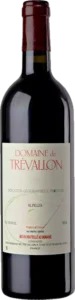 ExceptionalDomaine de Trévallon Alpilles (Red) 2023
Dark ruby with hints of red-mahogany. Bursting with red fruit on the nose, and a tiny touch of garrigue, floral violets and a hint of privet flowers (a marker for Elizabeth of mature Cabernet). On the palate the garrigue moves on to subtle leafiness, with well-extracted tannins dripping in juicy red fruit, blackberries and a touch of cassis. Structured, concentrated, rigorous and disciplined, the tannins are confident, powerful and mouthgripping - not necessarily from oak but from the sheer concentration of ripe, intense, firm fruit. This is a wine so well constructed that there is no doubt that as those tannins mellow there is the weight and structure to survive. Just gets better and better in the glass - opens up magically to layers and layers of complexity and charm. Absolutely delicious but very young and needs time. A difficult wine to describe because it's not noticeably doing anything - it's just... perfect, sublime and the only glass Ben needed a second pouring of during tasting because there was just so much to think about.
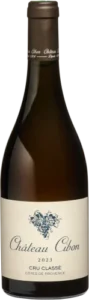 ExceptionalClos Cibonne Château Cibon Cuvée Marius Cru Classé (Rosé) 2022
Pale coral-copper pink. Fennel, sweet red fruit, opulent peach, and stone fruit aromas with a hint of perfumed black tea, bergamot, and mysterious jasmine. Rich on the palate with notes of almost white chocolate, dried cherries, cranberries, and intensely concentrated wild red berry fruit. Silky, delicate but powerful, layered with beautiful dark citrus and some bitter blood orange counterpointing the sweet concentration. A massively serious, ethereal wine with layers of complexity and saline freshness. The fresh acidity on the finish feels utterly integrated with everything. This is as close to perfection as we can imagine a fine rosé getting.
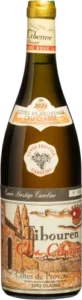 ExceptionalClos Cibonne Cuvée Prestige Caroline Cru Classé (Rosé) 2023
Dark golden copper pink. Cedar oaky notes on the nose with sweet vanillin, soft ripe peaches and apricots. Gentle, opulent, supple and rich with some very fine white citrus acidity keeping this wine vibrantly youthful. The oak is very much there as a support partner rather than dominating the fruit - sweet oakiness and a hint of toast carry the beautifully ripe fruit with length, charm and vibrantly beautiful freshness.
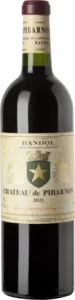 ExceptionalChâteau de Pibarnon Bandol (Red) 2021
Deep, semi-opaque red. Wonderfully intense and generous on the nose, offering perfumed purple fruit, opulence, blackberries, black cherries, leather, spice, and garrigue. The palate is a swathe of dark purple velvet - smooth and supple with ripe blue-black fruit. Full of energy, driven by a fine blue mineral inner core and perfectly integrated, crystalline acidity. Ripe, textured tannins and an invisible oak structure control the narrative, driving the wine forward. Powerful, concentrated, solar, and ridiculously refined. A sublime, lasting finish that leaves you speechless.
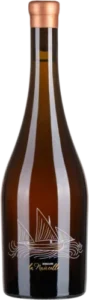 ExceptionalDomaine de la Navicelle Zéphyr (Rosé) 2024
From vineyards across the road from Clos Cibonne - and by no means the poor neighbour. Pale copper coral pink. A hint of coconut and sweet smoky oak on the nose. Bursting with ripe, intense, powerful red fruit, showing fresh and juicy white peach, wild plums, and fraise de bois. Acidity is powerful and fresh, with hints of sour grapefruit, cranberries, and crisp pomegranate perfumed sweetness crashing against intense red fruit and citrussy elegance. Concentrated and intense with lovely complexity of flavours, gentle leafiness, and beautiful spice notes of star anise and coriander. Wow.
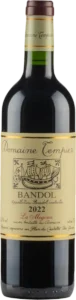 ExceptionalDomaine Tempier La Migoua (Red) 2023
Tempier's most Cinsault-heavy single-vineyard, with up to a quarter of Cinsault depending on the vintage. Youthful reductive notes on the nose with intense black fruit and spice. On the palate, black, inky silk and very elegant. The Cinsault very firmly in charge with the Mourvèdre pushing to show itself. Textured dark velvet gives an opulence restrained by grippy tannins on finish. Black, inky, silky, delicate with a firm finish. A really fabulous wine that embraces Bandol's reductiveness and youthful restraint while harbouring incredible intensity and potential.
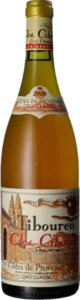 ExceptionalClos Cibonne Tradition Cru Classé (Rosé) 2024
Dark golden salmon pink. Discreet dried apricot aromas. On the palate, the dried apricot fruit is rich and intense, giving an impression of sweetness and soft nutty flavours with a hint of almost jammy richness. This is beautifully held together by the fine sourness of marmalade and fresh citrus confit. I have never had medlars and cream, but somehow that springs to mind. Evocative of mellow sunshine and ripe autumn fruit; rich and intense, but amazingly fresh and mouthwatering with long, vibrant acidity and perhaps a touch of autumn raspberries peeking through.
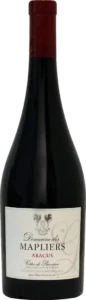 ExceptionalDomaine des Mapliers Abacus (Red) 2024
Semi-opaque garnet. Big bold dark fruit, hedgerow fruit, damsons, sloes and quite generous savoury oak on the nose. Cranberries, dark cherries, hints of leather and creamy milk chocolate. Pretty creamy texture at first leads to rugged, serious, decadent and chewy tannins. Oodles of sweet spice and torrefaction. Big and serious, bold and no-nonsense, but still circling back to that slightly pippy berry-forward fruity exuberance that made it so enticing on the nose. Classic, Provençal, classy and utterly premium. Drink now in the dead of winter, or leave in the cellar for a decade and still be amazed! No idea how it manages to do all this with only 12.5% ABV!
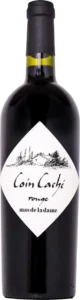 ExceptionalMas de la Dame Coin Caché (Red) 2023
Semi-opaque ruby mahogany red. Delicate cedar oak and pretty leafy, vegetal, woody notes on the nose - you can hear the wood pigeons in the pine trees. [ed. do wood pigeons sit in pine trees?] Gorgeous, intense deep dark fruit, jammy red berries and wild strawberries. Rich, ripe and juicy with a hint of garrigue, wild fennel and mint. The tannins are structural, rugged, very well-integrated - they're chalky, lightly woody, spicy, a little pippy, but cocooned in ripe and extremely well extracted red berries. Beautiful balance, depth, ripeness and mouthwatering moreishness the ripeness has some confident sweetness. Absolutely charming, gorgeously intense and powerful - but still squeezing in plenty of acidity and a remarkable elegance. Perfectly poised, elegant, charming and classy.
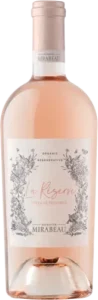 ExceptionalMaison Mirabeau La Réserve (Rosé) 2024
Pale copper salmon. Crunchy red fruit aromas. On the palate perfectly ripe fruit of fresh white peaches, pears summer berries and tropical floral notes with a lovely balance of some secondary notes of warm autumnal stone fruit, concentrated dried apricots, quince, scented pears and a hint of jasmine tea. Long fresh acidity, some fine minerality and lots of very pretty but firm oak adding a touch of vanilla, a hint of spice, nutty phenolic structure. Will unquestionably please those looking for summer in a glass, while placating those looking for depth and complexity just as much.
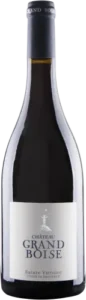 ExceptionalChâteau Grand Boise Château Grand Boise (Red) 2023
Bright, semi-translucent ruby red. Vibrant and saline with wild brambles and crunchy, reductive, flinty red fruit. Perfumed, supple and lacy on the palate with edgy acidity and long, fine, slightly drying tannins. It is dancing on a knife-edge, accomplishing exceptional concentration and a powerful, mouthfilling body despite delicate extraction and almost invisible tannins. Refined and ethereal, it balances the power and sunshine of Provence's traditional heartland with exceptional freshness and modernity. Absolute stunner of a wine.
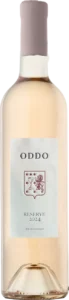 ExceptionalDomaine Oddo (Vallon des Glauges) Réserve (Rosé) 2024
Shell salmon pink. Aromas of peach, herbs, and sweet spice with hints of sweet almonds, marzipan, and soft perfumed pears. The palate shows silky honeyed notes, sweet dried peaches, and an umami complexity of savoury notes and a fine mineral structure. Vibrant, long fresh acidity balances a dark and enticing progression from honey to treacle and almost molasses. As it breathes, the white fruit evolves into raspberries and crunchy red berries. Powerful, delicate, and impossible to resist, finishing with saline length and more limestone minerality than typical Provence richness. Not just a wine which stands out, but a wine illustrating the skill of a winemaker constructing a harmonious, intriguing, and complex wine with great potential for gastronomy and Alpilles sunshine.
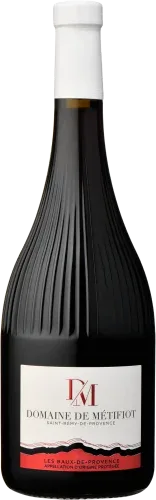 ExceptionalDomaine de Metifiot Les Baux-De-Provence (Red) 2021
Opaque garnet. Soft, ripe, rich fruit aromas backed up by pretty pink cherry blossom. Beautifully balanced in every way, showing classy, serious red fruit, perfumed inky blackberries, black cherries, and mulberries. Crisp, mineral tannins and grippy, slightly nutty oak corral genuinely ripe, warm fruit and vibrant acidity. Delicious intensity with notes of chocolate orange and coffee. Mouthfilling and vibrant, balancing primary elegance with tertiary complexity. Powerful but suave, it encapsulates all the rugged sunshine and windswept garrigue of Provence in a glass. Classy, concentrated, and unapologetically charming. Wow.
 ExceptionalDomaine Dalmeran Bastide (Red) 2022
Semi-translucent ruby red. Soft, sweet, ripe red fruit and warm cedar fruit aromas burst from the glass. It just explodes with raspberries, red cherries, cherry blossom, and a hint of cacao. The palate offers rich, ripe, jammy fruit that is soft, supple, and elegant, balanced by zippy acidity and crunchy, firm tannins. There is an ethereal delicacy alongside slightly serious torrefied coffee and cacao notes, sitting in the corner smirking at the party of fruit going on in front of it. Modern, exciting, fruit-driven, but still pleasantly structured with slightly taciturn dark inky tannins bringing up the rear. Completely atypical of almost alll other wines in Les Baux which embrace a more full-bodied approach. An interesting and quite unusual blend of grapes; definitely not Syrah! WOW.
 ExceptionalClos Cibonne Cuvée Spéciale des Vignettes Cru Classé (Rosé) 2024
Dark copper pink. Roasted nuts and dried peaches on the nose - almost toasted fruit. Creamy, soft, toffeed pear compote with some dark plums and saline minerality running through the centre of the wine. More savoury in style, this wine has a grip and edginess which I would struggle to identify as a rosé if served in a dark glass, except that there are no tannins. It is silky smooth and flows like satin. There is firm structure, dark red fruit, a hint of prunes with concentrated richness, and a long salinity emerging on the finale. A serious gastronomic wine able to carry powerful flavours.
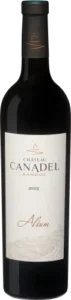 ExceptionalChâteau Canadel Altum (Red) 2023
Mid depth inky purple. Spice, plums and blue florals on the nose, alongside smoky black fruit, dark spice and black brambly hedgerow fruit. Rich blue-black velvet textured tannins on the palate. Warm, ripe, solar, muscular and powerful. Textured, mouth-edgy roughness with firm, confident and very classy inky ripe tannins, balanced by smooth, long, vibrant blue mineral acidity. Full-bodied without being jammy, dark and moody, and certainly not over-extracted. Very modern, showing wonderful concentration, extreme typicity, power, confidence and class, with a splash of salty waves crashing down on the finish. Mouthwatering and lovely.
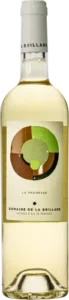 ExceptionalDomaine de la Brillane La Promesse (White) 2024
Very pale lemon. Delicate and slightly grassy on the nose, full of fresh flowers, white grapefruit, scented lemons, rosewater and hints of blue flowers. The palate is riper and silkier than the vibrant nose suggests, offering genuine weight, fine minerality and long, fresh acidity. Extremely easy-drinking and modern with a lasting, charming finish. Absolutely divine - like drinking a pretty cloud on a sunny spring day; the absolute best of Coteaux d'Aix Sauvignon Blanc.
Outstanding
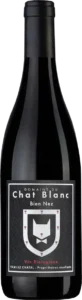 OutstandingDomaine du Chat Blanc Bien Nez (Red) 2022
Semi-opaque with slightly ruby edges. Herbal, floral, beeswax. Delicious. This has everything in perfect balance. Quite a bit of sweet oak backing up the sweetness of the fruit, with pretty garrigue, black cocoa, raspberry jam and a hint of almond kernels. It is a big velvety bear-hug of a wine with plenty of concentration, fab intensity and a beautiful restraint. Beautiful wild red berry acidity balances it all, with juicy blackberries, cooked blackcurrants and a hint of eucalyptus. Firm blue mineral tannins. Eminently drinkable, big, bold and ripe without feeling heavy. Outstanding red that really shows where Châteauneuf and the southern Rhône bleed into Provence - with this wine (from Domaine du Chat Blanc, just to the north of the Abbaye de Sénanque and the Monts de Vaucluse) firmly in a Rhône style.
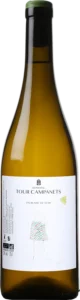 OutstandingDomaine Tour Campanets Blanc de Noir (White) 2025
Soft white, with a whisper of pink and slightly cloudy pale lemon. Neutral on the nose initially, opening to a hint of flint, straw and persimmon. The palate opens out to reveal delicious, perfumed citrus, creamy white ripe fruit, sweet pears, satsuma, and a honeyed, slightly natty richness. Muscular, textural, and energetic, cut through by electric, vibrant lavender minerality and citrus acidity. Refined, crunchy, and zesty, this wine is truly alive. A little atypical as a white wine due to its blanc de noir nature (Carignan in new French oak), but absolutely belongs in a hip natty wine bar. A gorgeous modern wine that dispels any myths of Provence as an industrial giant. Possibly the best blanc de noir in Provence.
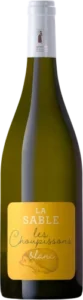 OutstandingChâteau la Sable Les Choupissons (White) 2025
Pale white lemon yellow. Beautiful floral, grapey, perfumed musky nose with concentrated peach juice, muscat, and rosewater. Crisp, perfumed, and zesty on the palate with lovely fruit, bone dry but continuing all the way through to the end. Perfumed pêche de vigne and white peaches are accompanied by a hint of spritz. Beautiful acidity, and a delicate, elegant textural weight. Delicious, complex, concentrated, and exuberant, it is utterly and wonderfully refreshing while remaining crisp, mineral, and energetic. Encapsulates the heat of a Provencal summer while providing all the refreshing elegance needed to cut through an August heatwave. Better than most rosé! Lovely expression of traditional Provencal Muscat.
- OutstandingChâteau de Brégançon Cuvée Louise Cru Classé (White) 2024
Vibrant, intense lime yellow showcasing ripe La Londe fruit. This is a powerful and commanding wine, almost new world in style, with confident new oak, sweet vanilla and powerful, long, ripe lemon acidity. Tropical floral notes on the nose are supported by pretty garrigue, eucalyptus and wild fennel on the palate. It is big, fresh and decadent, with the oak providing weight and a certain tannic grip. While its bold, mouth-filling and substantial nature might be controversial to some, it is a mind-blowingly serious wine that takes a successful swing at white Burgundy. It is perhaps not the most refined of wines, but if you are looking for a big, bold white to go with roast chicken, this is the wine.
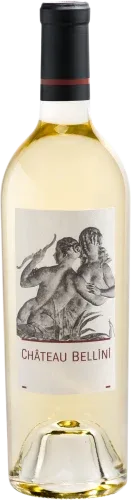 OutstandingChâteau Bellini Coteaux Varois en Provence (White) 2024
Pale lemon. Soft sweet white lemon aromas with a hint of garrigue on the nose. On the palate, softly ripe lemon pith, creamy white lemon and raw hazelnuts. Long and firm, but hidden behind the fruit is a wonderful minerality and grapefruit acidity. The magic starts on the palate; elegant, glassy and refined with knife-edge acidity that whispers rather than shouts. Mouthwateringly fresh and clean, shrouded in richness, but with weight and gravitas keeping it together. Ends on a very beautiful chalky minerality and a hint of white pepper. A stunning wine that isn't relying on aromatics or oak, just pure concentration of fruit and elegant grapes.
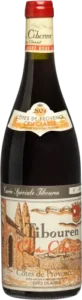 OutstandingClos Cibonne Cuvée Spéciale Tibouren Cru Classé (Red) 2025
Dark cherry pink, almost a darker clarete or rosé. Amazingly complex spices on the nose featuring incense, garrigue, black pepper, stone fruit, and a hint of gunflint. The spices continue on the palate alongside vibrant blue mineral fruit and fresh zippy raspberries. Exceptionally delicate, chalky, precise, and charming, with wonderfully balanced acidity dripping in fresh red berries. A fresh, vibrant juicy summer red. Lovers of fine Burgundy will rejoice with this wine; it is full of herbal garrigue and sunshine.
- OutstandingMas de la Dame Coin Caché (White) 2023
Bright gold. Soft yellow flowers, spice, straw, yellow stone fruit, honeyed beeswax, dried mixed peel and slightly toasty oak on the nose. On the palate, creamy oak dominates initially but yields quickly to incredibly concentrated, mellow fruit: brandy-soaked dried fruit, tropical notes and exceptionally rich Roussanne stone fruit. Remarkable acidity magically cuts through this richness, and the toasty oak is swept into a classy, mineral and intensely concentrated mid-palate. The highly complex finish brings white pepper and slightly edgy saline tannins from the oak, delivering just the right amount of phenolic grip. Mineral, exuberant, solar and ridiculously classy; achieves profound complexity alongside incredible elegance. The kind of wine that makes you want to close your eyes and imagine yourself someplace far more tranquil. Worthy of Les Baux!
- OutstandingChâteau Juvenal Perséides (White) 2022
Bright lemon gold. Slightly toasty, buttery and fresh on the nose with dark, tight minerality, oak salinity and lots of bold yellow peaches. Beautiful intensity and serious concentration on the palate. Lively acidity, almost straining against the weight and concentration of the fruit. Slightly peppery, saline and mineral, but overall creamy, velvety, soft and supple. Quite a powerful, tight wine with fabulous ripeness and concentration, though not an easy wine for sipping. Still very young and needs time to open up. What a class act, here for the long term.
- OutstandingClos Cibonne Château Cibon Cuvée Valentine Cru Classé (Red) 2023
Ruby red. Aromas of pot pourri, carnations, cedar and cherries. Expecting mellowness on the palate, but this is still very youthful, firm, and not yet ready for drinking. Tuck it away in the cellar; right now it delivers sloes, elderberries, serious foraging fruit, firm mouth-coating tannins and dark slatey minerality. Salinity really builds as the wine opens up. Surprisingly different from the other reds (and atypical of Provence) with rough, blue velvet-textured tannins contrasting the intensity of mellow blue fruit, floral notes, and crisp salinity. Made in new barriques with pigeage. Elegant, floral, but still highly structural and serious. A great showing of what serious Tibouren can do as a red in Provence.
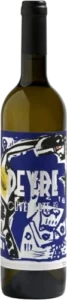 OutstandingDomaine des Peyre Arte (White) 2024
Pale lemon gold. The aromatics are floral and delicate with chalky and stony notes suggesting the influence of sweet, nutty oak. While the nose is subtle, the palate is powerful and textural, showing a lovely intensity of weight and silky acidity. Concentrated layers of bruised yellow fruit, honey, almonds and yellow flowers are supported by oak tannins that provide lift and interest on the finish. This is a serious, classy and somewhat taciturn wine that relies on depth and complexity rather than just acidity.
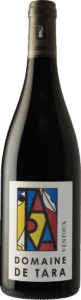 OutstandingDomaine de Tara Hautes Pierres (Red) 2020
Mostly opaque. Beeswax, dark hedgerow fruit, a hint of slightly overripe melon, mango and papaya. Bursting with tropical richness as well as classically serious red fruit, leather, spice, a hint of butcher shop and some garrigue. Saline dry wild red berry fruit with mouthwatering acidity. This is really a mouthful of wild sour berries, sloes and pith acidity. Redder, fresher, more recognisably southern French, but with a surprisingly rugged, firm, chewy mineral tannic core. Smooth textured, dynamic with firm dark tannins giving power to the structure. Seriously gutsy, seriously classy. Moreish and a bit of a show-stopper.
- OutstandingChâteau d’Estoublon Les Baux-De-Provence (White) 2023
Very pale lemon gold. Hints of beeswax, gentle honeyed oak, almonds and a hint of saline tarriness on the nose. On the palate, ripe juicy pears and white stone fruit, a hint of crisp white citrus and satsuma, and a touch of tropical blossom. Almost lean and austere with long fine mineral acidity, tight nutty phenolics, a hint of white pepper and lavender. There is powerful piercing lime and grapefruit acidity balancing the ripe, weighty concentration. The oak gives subtle beeswax richness and structure. Amazing elegance and intensity with seductive charm. Despite the ripe weight, it manages an ethereal delicacy and floral freshness that is like the cold Mistral on a sweltering sunny day. I could be convinced this was a top white Rioja, and I can give no greater praise!
- OutstandingChâteau des Sarrins Secret Rosé (Rosé) 2021
Golden onion skin pink. Gently honeyed oak on the nose. On the palate, surprisingly tannic and dry - not a soft vanillin-type oak, but a firm, tight oak structure. Already 5 years old, so youth is not necessarily an excuse, but decanting allows more fruit to reveal itself. There is lovely fresh, almost saline acidity, and lovely weight and balance. With time, the red berry and strawberry fruit comes to the fore and balances the strong oaky character, driven by weight and structure rather than pure fruit. Ends on black liquorice and serious intensity.
 OutstandingDomaine des Hauts Traversiers L’Espuol (Red) 2022
Dark, opaque. Black chocolate aromas. Inky, leathery, butcher shop, a hint of cinnamon, roasting coffee and baking bread. Beautifully intense and expressive. Blue fruit with an amazing acidity and freshness. Crunchy tannins, lots of acidity. Fine mineral freshness, very elegant and long. Full of personality and secondary/tertiary charm that goes beyond simple fruitiness. Lovely intensity, perfectly balanced tannins, plenty of acidity and an overall quietly earnest quality.
- OutstandingLes Béates Lou Misto (White) 2023
Very pale lemon. Stony, saline aromas with pretty white flowers, honeysuckle, mountain flowers, and garrigue. On the palate, a hint of bitter almond, pears, and apples alongside gently honeyed oak, menthol, and wild fennel. Cool, clean, crisp acidity that is driven but exceptionally powerful and delicate. The delicate fruit flavours complement rather than fight, enhancing the elegance and lending prettiness to the freshness. Incredibly refined, saline, and blossomy. Beautifully Provencal and full of sunshine, with a precision and a rugged minerality that really suggest Mistral and lavender rather than mimosas and beaches. This is what Provence rosé or white or blanc-de-noir should aspire to, and does it matter which it is?
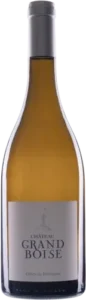 OutstandingChâteau Grand Boise Côtes de Provence (White) 2023
Very pale gold. Aromas reveal decadent, opulent stone fruit, honey and dried apricots, perfumed orange blossom and white tropical flowers. On the palate it is vibrant and silky with seductive acidity; powerful, refined and ethereal despite the opulence of the nose. Silky and slightly saline on the palate, but with real guts, full body and weighty, textural oak. The light tannins on the finish providing another dimension to the pineapple and tropical elegance, and a hint of stem ginger. Balanced, well-integrated and utterly ready to drink; silky, perfect and impossible to dislike.
- OutstandingChâteau la Verrerie Hautes Collines (Red) 2020
Dark purple garnet. A hint of Syrah leatheriness on the nose. Inky, glassy, basalt-black minerality on the palate. Firm tannins, lots of black fruit, saline mineral mulberries and blackberries. A hint of liquorice, some wild fennel and garrigue slightly saline. Quite closed. The tannins have a chewy firmness to them which strikes more of Provence and its rustic reds, but the finish is chewy, polished, inky and reminiscent of the gloss and effortlessness of some of the Rhone. Loads of fruit, but all within a super elegant structure with long length and lovely complexity of fruit and savoury flavours with some garrigue black chocolate. It is big, classy and awfully well-balanced. A grand vin ageing imperceptibly. Stellar, a serious class act.
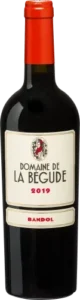 OutstandingDomaine de la Bégude La Brulade (Red) 2019
Heavy bottle! Semi-opaque smoky ruby. Blue-black fruit aromas with slightly smoky gunflint on the nose. Very bright red fruit, black treacle, toffee, brambles and black cherries. Big, bold, unapologetic and slightly smoky. Lots of blue fruit and brambles on the palate, with a touch of bitter cherry and cherry kernel almond notes. Drying, slightly dusty tannins with bright saline acidity and remarkably fresh textured tannins. Zesty, calm and slightly unassuming at first. Surprising lightness and delicacy for such a powerful wine. Elegant and powerful, with slightly floral pot pourri as it opens up. Big and classy; the tannins are still showing vibrant youthfulness, indicating an exceptionally long life ahead of it. Brulade always surprises us for its elegance and freshness - so it's no surprise that in a particular hot year such as 2019, it shines so brightly.
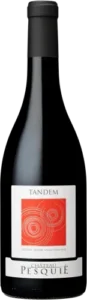 OutstandingChâteau Pesquié Tandem (Red) 2023
A really exciting co-fermented 'blouge' of 45yo Grenache Bland and Grenache Blanc that really redefines what we ought to look for in Provence - is this almost Tavellois more than Provencal? Almost translucent ruby red. Wonderfully mineral and floral on the nose with slightly reductive struck match, pretty red fruit, a hint of perfumed geraniums and herbal notes. The palate shows lovely elegance, fresh vibrant wild hedgerow, white blossom, crisp citrus, and subtle stone fruit. You could be forgiven for thinking this is Cinsault for its elegance, perfume, and subtle reductive quality. Crisp, mineral, glassy, and crystalline with lots of lovely acidity. Perfect wine for those looking for a red that is elegant, lacy, perfumed, and delicate with minerality and freshness. Extremely modern and fashionable. Great for a summer red, not iced, but a fresh lovely wine with lovely acidity to go with cheese.
- OutstandingChâteau la Verrerie Grand Deffand (White) 2022
Pale lemon yellow. Pretty floral nose, fresh leafy mintiness and a hint of oak. Beautiful clarity on the palate, with silky, well-spoken acidity supporting a slightly toasty vanilla oak. Backed up by some serious oaky tannins, round rich honeyed creamy lemon fruit and exceptionally opulent stone fruit. With long grippy structure. Absolutely gorgeous wine. Vibrant, fresh, deliciously oaky and unashamedly fruity. Sublime, charming and structured. Lasting finish that is mineral, fruity and driven.
- OutstandingChâteau d’Esclans Les Clans (Rosé) 2024
Pale shell pink. Delicate but confident unapologetically ripe stone fruit and a slightly toasted leesy nose. On the palate, intense wild red berry fruit and crunchy red berries are supported and corralled by nutty, ever so slightly toasty oak. Juicy, mouthwatering, intense, and delicious. Ripe, austere, and beautiful, showing incredible concentration and a classy fullness of body. It is silky, citrussy, and incredibly elegant. Saline and nutty, almost creamy on the finish. Beautiful depth, wonderfully classy. Drink now, or keep it two decades. Beautiful wine.
- OutstandingDomaine la Suffrène Jas de Clare (White) 2023
Dark gold. Buttery, oaky nose supporting big, bold, unapologetic orchard fruit and quince without dominating. Encapsulates all of Provence's sunshine and garrigue wilderness. Surprisingly fresh and vibrant on the palate, with beautiful acidity that is mineral, linear, and crisp. Somewhat natural and slightly naturally exuberant, showcasing beautiful complexity and concentration. I love the quirkiness. You can hear the sea and the cicadas. Many Bandol whites go down a route of crisp clarity, but this isn't afraid of fruit and intensity. Belongs in a wine bar with a list of boutique producers you've never even heard of, most of them totally natural. GORGEOUS.
- OutstandingChâteau de Sannes Castini (Rosé) 2023
Pale salmon pink. Subtle red berry fruit on the nose, a hint of inky minerality and a subtle hint of perhaps oaky reduction. Charmingly ripe lush cherry compote fruit with some vibrantly acid hedgerow fruit on the palate. Lots of crunchy red fruit and some dark hedgerow berries too. Ripe, full-bodied and opulent. A fair bit of alcohol supporting the fruit, balanced by juicy acidity and subtle spice. Silky tannins beautifully integrated and hiding behind the fruit. It is super pretty, beautifully full of rosé fruit, elegant, delicate, and really opens up towards dark spice, some wild fennel and more of that minerality on the finish. A rare rosé that spans everything from a classy pool party to a serious dinner. Fruit driven, ripe and rather gorgeous.
- OutstandingDomaine de Trévallon Alpilles (White) 2024
Pale lemon gold. Honeyed marzipan, intense yellow stone fruit and bright tropical floral aromas and the mineral flinty note we have often found on young white Trevallon. The palate, however, is a revelation. This could be Grand Cru Burgundy. Rich, ripe and silky fruit with some very serious, disciplined oaky notes and well integrated, almost saline minerality and weighty structure. The acidity (with a hint of salinity) perfectly balances everything and is always there - at the tip of the tongue, the mid-palate, the finish. Complex layers of flavours, subtle green apples, red apples, orchard fruit, a hint of quince, nashi pear, stem ginger, beeswax, nutty oak, garrigue, wild fennel, meadow flowers. Concentrated, textured, refined and poised. Pretty much perfect.
- OutstandingChâteau Minuty Jeanne (White) 2024
Pale lemon. Delicately herbal and fresh aromas with notes of white pear, peach, white florals, and a hint of garrigue and menthol. Harmonious and delicate on the palate, featuring silky white lemon acidity, refined green apples, and crisp orchard fruit. Backed up by a firm, tight, glassy minerality and slightly smoky tannins, it shows beautiful finesse. A hint of salinity and crisp citrus marks the finish. It is beautifully elegant and classy, though the finish currently shows a slightly unyielding grip that needs time to soften. This is a triumph of a first vintage and shows that Minuty's Saint Tropez terroir truly is capable of producing fine wines.
- OutstandingSylvain Morey La Bastide du Claux Le Claux (Red) 2021
Purple black fruit, powerful on the nose, with opulent and concentrated dark hedgerow fruit. Smooth silky blackberry tannins on the palate met by mouth-watering edgy minerality and vibrant freshness. The freshness comes not from acidity but from beautiful, powerful, mouth-puckering tannic extraction. Silky with a rough, inky texture, a fresh briney sea salt note, and hints of dark chocolate, olive brine, and garrigue. Long, mouth-watering sloes, blackcurrants, purple plums, and just a splash of red fruit - almost pomegranate molasses in its concentration and subtle sweetness. Lasting slightly grippy tannic finish with lots of black fruit and more black chocolate. Concentrated, classy, almost ethereal, it feels somewhat more elevated than your typical Provencal Syrah.
- OutstandingChâteau de Saint Martin Comtesse de Saint Martin Cru Classé (Rosé) 2021
A beautiful example of what an aged rosé with oxidative handling can achieve. Pale copper-gold. Jasmine tea, nuts, marmalade, white chocolate and spice on the nose with a touch of wild strawberries. Beautifully silky on the palate, with subtle oaky, nutty tannins enveloping sweet, buttery stone fruit. Cut through by mouthwatering, lacy acidity and lifted by charming spice and roasting coffee torrefaction. Oak-driven and aged, but incredibly serious, concentrated and balanced; an expressive, decadent and aristocratic wine. Notable for its mix of barrels: oak, acacia, and even some mulberry wood!
- OutstandingClos Cibonne Olivier Cru Classé (Red) 2024
One of the very few majority-Tibouren reds in all of Provence, and a good comparison for lovers of Rossese. Fresh cedar and red berry aromas. A big step up in terms of power and structure. Dark blue-black fruit, fine wild brambles and slow acidity meet mouth-gripping tannins. Ripe, firm and beautifully balanced with the ripeness of the fruit and long, fresh, stony mineral acidity. Quite Burgundian in style, except the fruit is darker blue and the minerality is stonier.
- OutstandingChâteau de Chausse Tourmaline (Rosé) 2022
Pale cherry pink. Charcoal and smoky notes on the nose with hints of sweet oak and expressive red cherries, suggesting weighty concentration. On the palate, it is another world. The smoky character blends beautifully with dried apricots, roasted nuts, and fresh zesty white lemon acidity. Silky fruit meets a crisp, vibrant structure that is powerful yet restrained. The oak's smokiness evolves into warm spice, garrigue, black pepper, and a hint of anise and black cherries. Classy, decadent, and age-worthy with beautiful depth. A serious wine that remains wonderfully easy to drink. Absolutely encapsulates the heat and power of the southern French sun. Drink this outside on a sun-drenched terrace in Saint-Tropez in January.
- OutstandingChâteau Grand Boise Liberté Chérie Vin de Grenache (Red) 2023
Translucent, light ruby red. Very floral and perfumed with blue flowers, blue spice, violets, garrigue and a hint of gunflint. Exceedingly pretty and supple with great finesse; lots of red fruit with peppery and subtle leafy hints. Chalky, elegant, disciplined crystalline tannins are almost ethereal, barely whispering against utterly charming acidity. Silky, textured and wonderfully structured, where pretty, feminine fruit sits in opposition to the seriousness and grip on the palate. Fruit-driven and exceptionally dainty. One of those rare examples of a red wine to recommend on its own or as an aperitif - we really hate to use the word feminine, but if ever a wine was so, this is it. Really delicious use of Provence Grenache that satisfies both lovers of fine reds and elegant Provence rosés. Wow.
- OutstandingDomaine de Brégançon AUR (White) 2024
Bright gold. Restrained on the nose. Big and intensely structural on the palate, with sumptuously ripe fruit, perfectly extracted and effortlessly carried by invisible acidity. It is not relying on oak or frilly aromatics on the nose - just texture, intensity, concentration and a schistous salinity that really tells a story. No oak, no perfume, no excess. Exceptional balance, class and concentration. Opens up to slightly citrussy white lemon acidity on the finish, a tiny crack in an otherwise impenetrable armour. A genuinely fine wine.
- OutstandingChâteau des Sarrins Grande Cuvée (Rosé) 2025
Pale shell salmon pink. Delicate aromas - not fruit-forward, but more leesy. Quite intense body and mouthwatering weight. White peach with a hint of juicy wild strawberry and fresh white citrus acidity. Love the intensity - a wine which would support a meal without relying on the complexity of oak. Pretty, elegant and very lightly chalky on the finish. This is the type of rosé I would choose to drink if dining al fresco. An absolute benchmark of unoaked Provence rosé that is as concentrated as it is refreshing.
- OutstandingClos de Caille Clos de Caille (Red) 2024
Intense opaque ruby. Scented, almost perfumed aromas of soft opulent floral red fruit and violets. Beautifully perfumed on the palate with blue flowers and fine minerality, it is really rather stunning. Despite the colour and the opulence on the nose, this has remarkable fresh acidity and elegance balancing deep, intense ripe blue-black fruit and well-balanced, silky tannins. It is vibrant, alive, and energetic with lovely crunchy, chalky tannins. Some slightly jammy raspberries jostle for attention with pippy tannins. A lovely balance of fruit and texture, genuinely juicy and exciting, absolutely bursting with fresh crunchy red berry fruit. I'd happily recommend a glass of this in a modern Provencal restaurant. Note: Requires weightlifting to pour the bottle!
- OutstandingCave de Beaumont Les Terrasses (Red) 2021
Made by one of our favourite winemakers in the Ventoux, Daniel Haile. Semi-opaque. Lots of blueberry notes, perfumed violets, pretty herbal and almost medicinal notes on the nose. Dark chocolate, cacao and pretty sweet torrefied notes in the background. Black inky mineral, dark and deep. The tannins are remarkably fresh and chalky, backed up by lots of acidity and a remarkably youthful, pretty red berry fruit. Some textured tannins, but ultimately silky ripe fruit and long fresh acidity. Very classy, balanced, firm and fruity, with a lot of ageing ahead of it. Beaumont is at the northern end of Ventoux, closest to the Dentelles de Montmirail, furthest from the sea and the Côte d'Azur - and it shows in the wines, clearly closer to the Rhône in style.
- OutstandingChâteau Sainte Croix Saint Pierre (Red) 2023
Semi-opaque ruby. Quite lifted perfumed aromas with a hint of struck match, spice and Syrah gunflint. Classic Syrah on the palate with some nice freshness, lots of crunchy red fruit and blackberries. Pretty acidity and chalky tannins. Blue minerality and a long saline, almost salty liquorice edginess. Elegant, very refreshing, crunchy, with garrigue, wild fennel and menthol.
- OutstandingDomaine du Tix Infinitix (Red) 2022
Semi-opaque. Dark black fruit, rather grown-up spice and a hint of respectful, slightly subdued oak. Lots of black fruit, almost austere. It is very sensible and restrained. Lightly chalky, chewy tannins, textured crimson velvet. Just enough alcohol and ripeness to give weight and gravitas, firmly aiming at freshness. Very saline, long fresh acidity, wild red berries and a savage element. Beautiful use of very fresh Syrah, overflowing with ripeness and spice but outwardly restrained, sensible and classy. Masculine, muscular and suave - a sexy James Bond of a wine. One of our favourites from central Ventoux, and clearly showing strong Rhône influences.
- OutstandingDomaine des Garances Ventoux (Red) 2023
Mid weight ruby red. Very pretty floral notes on the nose. Blue florals, blackberry jam aromas. Delightfully zippy acidity, delicate, almost lacy, ethereal tannins. Supple damsons, black inky fine-grained tannins. Just so fresh, elegant and fruity. Beautiful intensity. An explosion of berries with just perfectly balanced tannins. A nice wine, a pleasure to drink with fine elegance and long acidity.
- OutstandingRuffinatto L’Infante (White) 2023
Pale lemon white. Honey, pineapple and remarkably perfumed on the nose with lots of white stone fruit, pretty white flowers and a hint of stony, pebble-y minerality. Floral, exuberant and pretty. Sadly, charm does not initially carry on to the palate as the oak is holding the wine in tight control. A little closed and needs airing to open up. With airing, this wine becomes magnificent, revealing lovely freshness and delicacy backing up the fruit. It does not stand out for oak or heft or opulence, instead opting for remarkable concentration and an exceptional balance of floral perfume with freshness and delicacy. Very modern and very pretty. Tropical, delicate, lacy, almost ethereal. Chuck in 5% dark Syrah and call it a rosé and you would sell out instantly.
- OutstandingSylvain Morey La Bastide du Claux Saint Jean (Red) 2022
Ruby red. Briney aromatics on the nose, remarkably restrained at first. On the palate, however, this is explosive, very textured, incredibly fresh, lively and full of joy, positively skipping and jumping out of the glass with soft, juicy, almost carbonic fresh-and-juicy red berry fruit and salted raspberries. Long fresh acidity and mouth-gripping tannins that keep going on the length. It's not all superficial though; this opens up to a wonderfully grippy, gravelly texture and gentle tannins that last well into the finish. Classy, refined, very fashionable, and structural first - it isn't aiming at being a one-dimensional fruit bomb, showing that Grenache (with a pinch of Cinsault) really is worth looking at for fine reds.
- OutstandingChâteau Sainte Croix Patriarche (Orange) 2024
Pale lemon gold. Amazingly floral on the nose, almost hints of elderflower, pretty white flowers, a hint of struck match, very generous lime juice and a touch of oak. Beautiful floral notes with a rich intensity of honeyed grapefruit. Gorgeously ripe, supple silkiness with long elegant white citrus acidity, long pithy salinity and grapefruit pith. Powerful, glassy, mineral, crystalline and incredibly structured. Saline, pretty, remarkably ethereal and delicate despite that power. Exceptionally saline and textured, grippy and gravelly. Classy. Avoids the richness and opulence of Provençal sunshine, but still encapsulates its depth and charm. Aims for texture and acidity over fruit and opulence - and it works.
- OutstandingChâteau la Sable L’Incarnat (Rosé) 2025
Dark coral pink. Remarkably full of red fruit on the nose - red cherries, exuberant raspberries and floral, orange blossom, pretty and floral. Vibrantly fresh and grapey finishing with laser-like intensity and power and long fresh acidity. Quite joyous and lots of soft, lush, black fruit - cherries and damsons - with traces of restraining firm, stony, inky minerality, and a delicate, dark inner core, dark spice and a whisper of gentle oaky phenolics. It's powerful, driven, crisp, elegant, serious with depth and charm, and every fruity note covering up another one, all of them nestled in textural grip and richness. Beautifully ripe, but with precise structure. So much ripeness, and yet not one drop of jamminess or excessive soupiness. I'm in awe and in love - this is what top Provence Syrah rosé can aspire to.
- OutstandingChâteau Rasque Pièce Noble (Red) 2023
Semi-opaque garnet. Perfumed and scented on the nose with inky black wild berry fruit, plums, cocoa, and chocolate, offset by blue floral freshness. Beautifully chocolatey with notes of torrefied coffee on the palate. Concentrated, firm, and dripping in toasty tannins and hazelnuts. Some black fruit, black cherries, and elderberries add depth. Dark, complex, decadent, but refined and elegant, showcasing the cooler climate of these hills above Draguignan. Lasting and fresh despite the intensity and tertiary aromatics.
- OutstandingDomaine de Metifiot Alpilles (Red) 2023
Semi-opaque ruby. Dark blue plummy fruit aromas alongside berry-forward fruity wild hedgerow notes, a hint of gunflint, leather, cedar, tobacco, eucalyptus, and rather a lot of wild fennel or mint. The palate is big, glossy, modern, and very appealing, showing oak salinity with some sweetness. Intense and concentrated without being ripe and jammy, featuring blue flowers, dark blue minerality, and a silky velvet texture. Tannins are chalky, youthful, with a dry finish, backed up by basketloads of berry-driven fruit, blackberries, and even a hint of cranberry freshness. It has a purity of fruit, which, with careful winemaking, has brought out the best of every variety. Beautifully elegant with crunchy acidity and some bright sour red fruit salinity on the powerful finish. Provence red lovers look no further.
- OutstandingDomaine Gavoty Premier Rôle (White) 2023
Very pale lemon yellow. Scented lemon confit and white exotic floral aromas; somewhat restrained at first, it opens up to very pretty white flowers, a touch of eucalyptus, bitter almonds and a whisper of honeyed beeswax. Slightly oily texture on the palate, yet beautifully silky and wonderfully firm. Very ripe melon and white peach fruit, a touch of Sorrento lemon and slightly peppery tropical white flowers. Weighty oak structure with salted lemon and chalky acidity. Exceptional intensity and ripeness; zesty, refreshing, elegant and charmingly mineral. Long and powerful but with beautiful elegant restraint. An uncompromising Provence white that does not feel the need to be brutishly citrussy, nor overly ripe and oaky.
- OutstandingDomaine Les Oeuvres Vives Bandol (Rosé) 2024
Pale coral pink. Smoky strawberry fruit and lots of dark, confected, intense fruit on the nose. Reductive, saline, austere, and tight initially, but after opening up, the reductive notes disappear to reveal raspberry fruit, hints of dark citrus, blood orange, and a black inky smokiness. A touch of tropical flowers and pineapple. Beautifully crisp and exceptionally concentrated. Textural, grippy, and gutsy with mouthwatering, long minerality, lavender, and chalky acidity. Wonderfully austere and saline; this is like licking a windswept rock by a calanque. A touch of smokiness, wild fennel, and bitter orange cocoa on the finish. Solar, powerful, evocative, and very serious. Long-lasting finish, chalky and firm. The wine is pure shape and structure.
- OutstandingChâteau Grand Boise Pet Nat by Grand Boise (Sparkling rosé) 2025
Pale peachy pink with the gentle but persistent fizz of single fermentation in bottle. Sparkling clean - and avoid the nattiness of very natural wines despite the name. Maybe Methode ancestrale would be better suited. Delicate peach and redcurrant aromas, this achieves what so many other local and more pretentious fizzes do not - energy. Vibrant acdity matched by intense ripe fruit, the gentle savoury notes of garrigue which lift it from being jammy, clean quartz like minerality. Petal-like gentleness, youthful and quite, quite charming. If you want a delicious Provence fizz, this might be just the one.
- OutstandingChâteau du Seuil Grand Seuil (Red) 2020
Light, almost translucent ruby red colour. Sweet red berries, lots of juicy black fruit, a hint of smoke and spice on the nose. Black chocolate richness on the palate with long, elegant blue-black velvet fruit. Spice builds quite beautifully alongside seriously chalky, vibrant tannins and beautifully crisp acidity. Bucket loads of red fruit. Ripe, deep and beautifully balanced. Exciting, youthful, crunchy and fresh. Shows southern ripeness and good winemaking. Seriously charming, delightful, modern and fun.
- OutstandingChâteau des Bormettes Instinct Parcellaire (White) 2023
Pale lemon gold. Ripe exotic white fruit and saline notes on the nose, with a hint of struck match, beautiful garrigue, wild fennel, straw, and very soft, elegant beeswax. On the palate, salted creamy peach and intense ripe fruit with a hint of dark cassis richness. Concentrated with fine mineral elegance, where maritime schist gives structure and restrains the rich ripeness. Beautifully rich but saline, mineral, and crisp. Powerful and very refined. Precisely the kind of crisp precision with ripe solar fruit and schistous minerality that La Londe does best. Stellar wine.
- OutstandingChâteau de Mille Célestine (Red) 2023
Mid depth, semi-translucent ruby. Soft ripe cherry fruit and crunchy red berries with black pepper, slightly grassy eucalyptus and garrigue. Firm, sharp, youthful, chalky tannins and pithy acidity. Ready to drink, peppery and exciting with a wonderfully vibrant, joyous charm. This tastes exactly like Grenache ought to taste; peppery, crunchy and delicious.
- OutstandingChâteau Saint Maur Clos de Capelune (Rosé) 2025
Pale salmon peach. Slightly restrained on the nose. On the palate there is beautiful concentration on the palate and remarkably vibrant acidity. Crisp and intense juicy sour red cherries, fresh crunchy red apples and a whisper of spice with a lively mouthwatering white citrus acidity and freshness. Taut, fresh, thirst-quenching - this is crossing the bridge between rosé that is summery and youthful while also being serious and concentrated. Beautifully driven and linear - this ticks all the boxes. This could be my go-to rosé during this summer.
- OutstandingDomaine des Alpilles Le Rouge (Red) 2024
Semi-translucent ruby red. Highly perfumed on the nose, like walking into a fruit shop bursting with floral perfume, leafy floral garrigue, spice, cedars, and roses -typical of Cinsault and reminiscent of Brachetto. Wild fennel and apple blossom follow. The palate features pretty red strawberry fruit, a hint of spritz hiding minerality, and remarkably vibrant, silky tannins. High acidity keeps it fresh, simple, delicate, intense, and electric. For lovers of a light summer red with fruit, perfume, elegance, and balance, look no further! Not a blockbuster, but this is a great summer red. If you want Cinsault red, this is it.
- OutstandingChâteau de Beaupré Façon Phanette – Quésaco (Orange) 2025
Bright gold. Slightly oxidative and sherry-like on the nose, with intense orange blossom and spice. On the palate, exceptional acidity and vibrantly chalky tannins. Elegant and spiced. Very, very textural, but with wonderful vibrancy. The spice opens up as this breathes into slightly more herbal garrigue and briney, saline olives. Exciting and vibrant, with unusually good acidity for this level of tannic extraction. A lot of 'orange' wine in Provence is just a white wine with a bit of extra weight, but not this one - this is bold, structured, textured and radically different.
- OutstandingDomaines Ott* Étoile (Rosé) 2023
Creamy white with hints of copper pink; almost blanc de noir. Soft ripe orchard fruit aromas of peach, yellow peaches, red apples, and the tiniest whisper of pomelo. Soft, ripe, creamy, and silky with a firm, generous texture and a structural finish. Beautifully balanced, there is discrete Mourvèdre structure giving backbone, some saline schistous freshness, and hints of inky struck match. It ticks every single box, harmoniously brought together with incredible elegance. Stretches from drinking on a summer’s day to concentration enough for a gastronomic partnership. Aiming to be a more complete, concentrated, refined form of classic rosé more than a white Burgundy-inspired.
- OutstandingChâteau des Sarrins Blanc de Rolle (White) 2025
Pale lemon-white. Quite a mute nose initially. Crisp, zesty green apples and green citrus. On the palate, there is some nice weight, fresh citrus minerality and a hint of florals, nuts and white orchard fruit - pears and apples rather than peach. The tiny amount of oak is almost imperceptible but gives a touch of extra weight mid-palate. I was cautious at first, but this just grows and grows on me. Lovely cat's tongue texture, mouth-filling weight and lovely freshness. Still very young, but it has excellent potential to develop. A wine that shows Rolle can be young, zesty, fresh and zippy while still achieving charm, weight and the beginnings of complexity.
- OutstandingDomaine la Suffrène Cuvée Tradition (Red) 2022
Mid-depth ruby red. Soft black fruit and lots of spice on the nose. On the palate the rich, lush black fruit continues with some subtle sweet oakiness and nutty tannins, balanced by nice fresh acidity and avoiding being a big alcoholic fruit bomb. Suffrene's signature is a high percentage of Carignan and Cinsault in the reds, and their elegance always shines. After decanting, the dark black fruit takes on a deep, inky depth with a touch of elderberries and taut wild damson fruit. Needs time to open up to reveal a charming, approachable easy to drink Bandol. Look no further for an eminently drinkable classically Provencal red.
- OutstandingChâteau de Pibarnon Bandol (Rosé) 2024
Coral pink. Hints of reduction on the nose with slightly flinty red fruit, alongside softly honeyed, saffron, and peach aromas. On the palate, it is heavy and gorgeously lush, bursting with fresh red berries, salted ripe peaches, and chalky acidity. Elegant, exuberant, driven, and precise. Gently floral and silky, showing pretty meadow flowers, a hint of black tea, and crisp, elegant minerality. Quirky but delicious; it tastes older and slightly more tertiary than 2024 but features vibrant acidity, white chocolate richness, and savoury saline notes. It is refreshing and fruity, charming and elegant. What a charmer! Perfect everywhere from a top restaurant to a classy secluded beach.
- OutstandingChâteau de Mille Saint Lucide (White) 2024
Very pale lemon yellow. Perfumed white floral notes and struck match with a hint of oak and dripping with rich, crunchy, juicy citrus: blood orange, bergamot and Sorrento lemons. Perfumed Clairette really showing on the nose, leading to the structure of the almost centenarian Ugni Blanc on the palate - vibrant acidity, disciplined by structured oak, nutty concentration and exceptionally silky, structural weight. Ripe honeyed fruit and mouthwatering salted white peach create fine complexity with a crisp, slightly chalky texture. Long salinity and a hint of garrigue on the finish. Wonderfully classy, with a beautiful concentration of southern sunshine and windswept limestone cliffs.
- OutstandingChâteau de Beaupré Façon Phanette Cool de Source! (Red) 2023
Bright ruby red. Generously flinty reductive red fruit on the nose, energetic, zesty and firm, with creamy red garrigue notes. On the palate, sweet ripe bramble fruit, exceptionally sweet soft ripe wild strawberries and slightly jammy raspberries - almost at odds with the fresh youthful flintiness of the nose. Pithy wild hedgerow berries and grippy garrigue tannins. Plenty of spice and really remarkably ripe, opulent fruit. Mouthwatering edgy wild ripe berry acidity and beautifully elegant, driven, linear and shockingly disciplined acidity. I love the contrast between the ripe depth of the fruit, the driven acidity and the devil-may-care charm. A long saline finish, providing mouthwatering and thirst-quenching freshness. Plenty of sunshine, as elegant and refreshing as the rosés, but still concentrated and fruit-driven. Lovely weight, balance and vibrant tension. Absolutely delightful.
- OutstandingChâteau Saint-Roux Pigeonnier (Red) 2023
Mid to pale, semi-translucent ruby. You can smell the black pepper and leather as you pour the glass, along with black fruit, juicy raspberries and plums. The palate is mouthwatering, fresh, and crunchy, absolutely bursting with vibrant blue fruit, wild red berries, and fine mineral fruit. This is literally a glass squeezed full of Syrah, showing chewy gamey notes, vibrant acidity, and long silky freshness. Bubbly and effusive with so much life and excitement. Charming, and a wine that shows Provence isn't all over-extracted big old-fashioned reds, nor is it just zesty rosé.
- OutstandingChâteau la Sable Marie (White) 2024
Very pale lemon white. Restrained on the nose, opening to soft notes of dill, pineapple, and a hint of bruised apples. On the palate, there is some lovely richness with crunchy soft pineapple, lemon, tropical fruit, and a hint of sweet saffron. Lovely intensity of ripe fruit that is beautifully perfumed and waxy. Not the clean, fresh, piercing acidity of early-picked wines, but a charming soft fruit with beautiful vibrant acidity that is zesty, crisp, and energetic. A linear chalky grey minerality races through the middle. Southern, traditional, and more genuine and earnest than so many of the Rolles, showing some lovely complexity of different flavours and elegance of demi-muids. Sublime Provencal white that doesn't feel the need to look over its shoulder or imitate Burgundy. Always one of our favourite whites, and this vintage is no exception.
- OutstandingChâteau La Coste Grand Vin Blanc (White) 2024
Pale lemon. Restrained aromas with hints of almonds, creamy softness, lacy white blossom, and orchard fruit. Ripe, soft, and almost luscious on the mid-palate, held in place with long, fine, scented lemon acidity and a slightly cooler-climate freshness. Pretty and intense fruit reveals barely ripe white peaches and hints of slightly leafy green apples. Delicate, silky yet firm, with some hidden saline structure in the background and a possible hint of oak. Charming, crisp, and very refined. If you're not convinced Provence can make serious-yet-modern Burgundian-inspired whites, look no further; this is internationally supple and opulent.
- OutstandingChâteau Léoube Collector (Rosé) 2023
Very pale creamy peach colour. On the nose, aromas of ripe fruit, intense wild strawberries, freshly picked raspberries, and flashes of crisp and delicate white citrus and a hint of inky spice. On the palate the beautifully ripe fruit continues: grippy white berry fruit, white citrus freshness. Silky, concentrated, classy and quietly confident, with a hint of creaminess followed by a touch of salinity and some delicious mouthwatering minerality which takes it to the next level. Serious and intense. But while there is ripe fruit, this wine is primarily all about texture - crisp, cool, glassy, texture with a hint of gravelly phenolic weight and extraction. A fine balance between complexity and classic elegance. Still young and vibrant and definitely a wine which will surely continue to age and mature beautifully. Not suitable for downing a bottle and a half on your own in the pool - but this is a gorgeous wine.
- OutstandingChâteau Pigoudet Coteaux d’Aix-en-Provence (Red) 2020
Opaque ruby. Restrained aromas of incense, dark damsons and berries, slightly musty forest floor, and cedar. Very traditional. The palate offers dark blue flowers, fine minerality, and linear freshness that gives a lacy veil of elegance to the deep, dark, concentrated fruit. Very elegant cool-climate freshness with exceptionally polished coffee and cacao notes. Extracted, velvety, and refined, with hints of inkiness lifting the coffee. The drying tannins on the finish have an earnest charm to them that is very easy to forgive. Classy. Oozing with fruit, beautiful complexity, textural and refined.
- OutstandingChâteau Grand Boise Jadis (Rosé) 2025
Very pale shell pink. Creamy floral aromas. Lots of redcurrant fruit, juicy, crisp and crunchy but the intensity of ripe fruit nudges up to a more premium level. Quite joyous red berry fruit, crisp white citrus with a zesty, slightly leafy, very very crunchy acidity and minerality and pippy, textured phenolics jostle for attention, against a backdrop of more red fruit and very juicy grapefruit. The well integrated phenolics give tight structure. Saline, youthful and energetic. A serious wine full of Provence ripeness and elegance with vibrant tension.
- OutstandingChâteau des Sarrins Rouge Secret (Red) 2021
Purple red. Notes of cedar, beeswax, garrigue and nuts with a whisper of pot pourri and leather. On the palate, firm inky fruit meets textured, grippy, yet very smooth and slightly silky tannins. Full-bodied with blue florals, black inky tones, and tight dark fruit, proving powerful enough to balance the alcohol. Decanting allows the tannins to soften and the fruit to shine. Still incredibly young and tight, with blackberries and hedgerow fruit ready to burst out from behind the tight structure. Extremely beautiful, classic Provence with signature Sarrins freshness.
- OutstandingDomaine Dalmeran Chateau (Red) 2022
Light to mid depth, semi-opaque ruby. Leafy incense on the nose alongside leathery, gunflint, gamey and garrigue notes dripping in Syrah spice with a hint of violets. The palate offers lovely elegant freshness with silky and ripe black fruit. There is beautiful intensity that is surprisingly velvety and harmonious given the power of the nose. Concentrated, dark, and fruit-driven, offering summer wild raspberries, a touch of wild sloes, blackberries, and hedgerow fruit with a slightly inky finish. Unusually, a bit more Grenache (25%) than Cabernet (15%) leaves this very easy to drink with gently velvety tannins and fresh acidity. Rather exciting as a summer aperitif red.ga
- OutstandingVilla Baulieu Coteaux d’Aix-en-Provence (Red) 2019
Mid-depth ruby red. Spice, chocolate, black coffee and slightly reductive dark inky blue-black fruit with a hint of leather. On the palate, supple velvety tannins are enveloped in generous and very ripe alcohol with structural, slightly sweet oak on the mid-palate. Opens up to crunchy red fruit, redcurrants and a hint of cranberries with really vibrant acidity. Beautiful depth and lovely complexity; the finish is youthful, fun and charming, providing a real contrast to the seriousness of the nose. Utterly ripe and very Provençal.
- OutstandingChâteau Gasqui Tardius (Red) 2024
Semi-translucent ruby red. Lots of super juicy red berries, brambles and hedgerow fruit on the nose - absolutely bursting with them, jumping with joy and exuberant fruit. Red cherries, raspberries, blackberries and damsons. On the palate, slightly chalky, slightly pippy tannins, hints of crunchy black pepper and lots of fresh zippy acidity. It is modern, it is zingy, it is fresh, it is quaffable and it is beautifully balanced. Sumptuous and refreshing, but still weighty and concentrated.
- OutstandingChâteau des Bormettes Instinct Parcellaire (Red) 2022
Dark purple ruby red. Restrained on the nose at first, opening up to pretty gunflint, leathery notes, spice, and wild herbes de Provence garrigue notes. The palate is built on firm, tight, blue mineral tannins and rough velvet, wrapped up in crisp, disciplined, unyielding clean acidity. Confident, big, bold, and inky, focusing very much on the purity of fruit and blue floral notes rather than layering on heavy weight. Exceptionally chalky, pure, and precise, ending with blackberries and hedgerow fruit on the finish. Very well made, and a great showcase of the house style's blue minerality.
- OutstandingDomaine Tour Campanets Vin Orange (Orange) 2025
Dark gold. White floral aromas with lots of soft oranges, perfumed yellow peaches, and hints of garrigue and spice. The palate is beautifully saline and absolutely bursting with soft juicy citrus fruit, sour lemon, blood oranges, yellow grapefruit, and a hint of bergamot and dried peach. Nice texture with gentle phenolics and zesty, powerful saline acidity. Lovely length, exciting, and zesty. An excellent example of skin-contact winemaking that retains plenty of Rolle typicity, showcasing where Provence could go - but don't approach this wine expecting full-blown orange tannins.
- OutstandingChâteau Pradeaux Bandol (Rosé) 2024
Dark copper pink. Reductive notes, typical of youthful Mourvèdre, coming through on the nose with that slight grapefruit pithiness giving freshness, alongside hedgerow fruit, blueberries and black cherries. Firm drying tannins, wild raspberries and strawberries on the palate, showing intense concentration and weight. A classic summery rosé, fresh, zesty and fruity, that has been macerated just a little longer and punching above its weight in complexity. Lots of juicy fruit, mouth watering acidity and a lovely balance of weight, intensity, structure and fruit. Concentrated, powerful, refreshing, and even if it comes as a bit of a shock, it is a wine that will not fail to bring a smile to your face. Suitable for the beach, a picnic, a Michelin-starred restaurant or a birthday.
- OutstandingMas des Infermieres Chevalier (Red) 2022
Mid depth ruby red. Restrained, slightly juicy red fruit on the nose with black fruit, dark cocoa, and juicy elderberries. Pretty and exuberant, with remarkable freshness juxtaposed against very pretty and slightly perfumed juiciness. The palate is a mix of subtly sweet smoky nuttiness from the oak, pithy, slightly green pippy tannins, and crisp red berry-driven fruit, all singing very different notes from the same song sheet. Firm, extracted, taut, tight wild hedgerow berries. Very classically southern red. Classy and beautifully balanced. Lovely extraction without feeling dried out. Approachable despite its youth. Not snobbishly complex, but the sort of wine I would think is a respectable gateway to something a bit heavier. Fab.
- OutstandingAlain Baccino et Filles Domaine des Peircèdes Règue des Botes (Red) 2021
Dark purple. Briney dark plum and blue floral aromas, alongside opulent, charming red and black fruit. On the palate, powerful, chewy, full-bodied dark blue fruit, inky salted plums, concentrated damsons, a hint of garrigue, black chocolate, leather and pretty spice. Almost solid in structure, but avoiding any jamminess. The tannins are beautifully integrated supple and velvet textured, giving weight and structure in. a classic Provence style. The acidity has a blue floral freshness. Hints of oak take a backseat to the fruit. Generous alcohol on the finish is lifted by fruity acidity and blanketed by silky fruit. It is like the Mistral, sunshine and lavender fields in a glass. Lip-smackingly refreshing despite the weight, with real concentration and the beginnings of complexity. Stunning.
- OutstandingDomaine Tempier Cabassaou (Red) 2023
Tempier's top single-vineyard cuvée is from just below La Tourtine on a tiny, hotter, more sheltered site with slightly shallower soils, and the fruit is totally different. Floral notes and creamy, ripe red fruit aromas. On the palate, incredibly crunchy red fruit, juicy, pippy, berry-forward tannins with a hint of garrigue spice. Fresh, fruity, zesty up front with a linear, driven and almost unexpectedly austere backbone. Disciplined and concentrated. Fabulous ageing potential.
- OutstandingDomaine la Tourraque Taillat (Red) 2023
Semi-translucent garnet. Red fruit with herbal notes, a hint of leather, spice, black pepper, and cedar on the nose. Fresh, crunchy red berry fruit on the palate shows an almost cool-climate crunchiness that initially does not taste very Provencal. It opens out with time and temperature to reveal more intense, round, black mineral fruit ripeness and sweet cedary notes from oak. Wonderfully juicy acidity is lifted by charming violets and a slightly woody, earthy sweetness on the finish. Shows silky sophistication with fine powdery, slightly drying pencilly tannins. Beautifully fresh and modern but still rich, enticing, and complex. Intense and exciting; benefits from decanting.
- OutstandingAlain Baccino et Filles Château La Tulipe Noire Côtes de Provence (Red) 2023
Deep dark purple, opaque garnet. Rich ripe dark black fruit, very leafy and inky on the nose with liquorice, violets, mineral and floral notes. Powerful mineral freshness on the palate. Blue-black vibrant minerality and beautiful, very serious, disciplined black fruit. Beautiful balance with ripe fruit and mineral, linear, elegant acidity. Tannins are firm and wonderfully integrated. Very youthful, full of energy, dark, inky and very Mourvèdre, but still ripe, charming and bursting with fruit. Almost New World in its opulence with bucketloads of wild bramble fruit. A pleasure to taste - absolutely the sort of red you would want on a rainy autumn day.
- OutstandingDomaine des Alpilles Le Blanc (White) 2023
An exceptionally unusual blend of Chenin Blanc, Carignan Blanc, and Clairette. Pale lemon hue. Sweet waxy lemon aromas with a hint of exuberant oak, honeyed butterscotch, confit lemon, and pretty floral notes. On the palate, delicate white lemon and vibrant acidity soften a firm, underlying structure. Playing with delicacy, depth of flavour, and complexity, it reveals intense orchard fruit and crunchy green apples. Oak provides backbone, leading to a nutty, saline, slightly chalky, and mineral finish. Not a big blockbuster of a wine, but classy, concentrated, and powerful.
- OutstandingChâteau Carpe Diem Campagne (Red) 2024
Bright cherry red. Blue floral spice on the nose, generously reductive and flinty, but softened by lots of red fruit and pretty floral charm. Smooth silky dark blue and purple mineral fruit. Wildly crisp, floral and utterly charming on the palate. Thirst-quenching, fun and fruity. Chewy, mouthwatering saline blueberry and fine mineral acidity. Encapsulates the laissez-faire joie-de-vivre of Provence; there is so much vibrancy and fun, so much fruit and so much acidity so beautifully integrated. Rarely have we tried a more refreshing, thirst-quenching and genuine red wine that still maintains real personality, depth and concentration.
- OutstandingChâteau de Brégançon La Reserve Cru Classé (Red) 2023
Dark purple ruby red. Restrained on the nose initially, opening up to lovely deep dark dense fruit, blue flowers, violets, and dark plums. The palate explodes into blackberries, cassis, and perfumed hedgerow fruit with slightly leafy, vegetal notes despite the dark ripeness. Concentrated and fresh, featuring dark cocoa, black peppery inkiness, and fine blue mineral tannins. Tannins are firm and crisp but glossy and silky. Vibrant, ripe, and elegant. Bold, confident, powerful, solar, and muscular. On the youthful side, it would benefit from cellaring for the tannins to soften and integrate, with plenty of fruit, acidity, and concentration to allow this to age long-term very gracefully.
- OutstandingChâteau de Berne La Grande Cuvée (Rosé) 2025
Very pale salmon. Lots of dark berries, hints of spice, hedgerow fruit and brambles. Saline, taciturn, dark and complex. Exceptional concentration and grip, with a mid-palate that is absolutely bursting at the seams with eagerness and structure. Gutsy, powerful, incredibly powerful. Not oak or tertiary-driven - this is fruit, acidity and power that almost redefines what a fine rosé should be. It is not oaky like a white Burgundy, but it clearly has infinitely more texture and grip than 'classic' Provence rosés, even the high-end ones. Sublime.
- OutstandingDomaine de Metifiot Les Baux-De-Provence (White) 2024
Pale lemon gold. Subtle, restrained, floral nose with fresh lemon fruit, orange blossom, and waxy, silky, opulent orchard fruit. On the palate, nicely balanced ripeness and opulently ripe fruit are cut through by fresh, saline, slightly grapefruity acidity. Shows nice intensity with white peach and raw nuts. Modern and clean, with a hint of slightly toasty, flinty, smoky oak on the finish that feels a bit raw currently. Elegant, powerful, and remarkably refreshing, striking a fabulous balance of zesty citrusiness and slightly more serious weightiness.
- OutstandingChâteau d’Esclans Garrus (Rosé) 2024
Very pale shell pink. A delicate, elegant nose with pretty, floral, pink peach, a hint of orchard blossom, and some red apples. This is a wine of two halves: elegance and delicate fruit on the nose, backed up by gorgeous intensity of ripe fruit, exceptional concentration, and depth on the palate. Pretty, gently crunchy red apples continue onto the palate, evolving into a perfumed orchard profile. Long mineral acidity and subtle minerality deepen into something moreish, decadent, and classy. The kind of wine that whispers with confidence rather than shouting with particular exuberance or excess, finishing with a long mineral lime and salt finish.
- OutstandingLes Grandes Serres Acis Fabrei (Red) 2020
Opaque dark purple. Dark blue spicy aromas, a hint of truffle, mushroom, forest floor and violets. Pretty, with lots of Syrah leatheriness verging on reduction. Saline, powerful, linear and tightly controlled. Love the mineral salinity, the dark blue fruit and spice. Lots of acidity and slightly hard, firmly textured youthful tannins. Very big, very tight, very closed. Remarkable freshness and black minerality, mouthwatering and energetic. An almost cool-climate rigour against a backdrop of very ripe fruit. Classy wine that is definitely not just another Southern Rhone.
- OutstandingChâteau Saint Maur L’Excellence Cru Classé (White) 2025
Very pale lemon yellow. Lots of garrigue and Sorrento lemons on the nose, alongside perfumed, citrussy hints of menthol, eucalyptus, and slightly herbal aromas. The palate shows pretty freshness, yellow peach, and hints of exotic fruit. with weighty ripe fruit balanced by a very fine linear minerality, giving length and elegance, backed by very fresh acidity. Lovely concentration and exceptionally charming. A pleasure to drink, refreshing and elegant.
- OutstandingXavier Vignon Ventoux (Red) 2023
Moderate depth ruby. Juicy wild raspberry fruit, black chocolate, vibrant acidity, blue minerals, florals, mouthwatering tannins. Slightly cooked, slightly jammy hedgerow fruit, some fruit of the forest. Pretty fruit-driven tannins, zippy acidity. Very pretty and fresh. Slightly gravelly towards the finish, but a beautiful compromise of fresh and accessible fruit with some elegant and delicate tannins. Ticks all the boxes, vibrant and fresh, rich and powerful, lacking in complexity but plenty of fruit.
- OutstandingDomaine Saint-Jean de Villecroze La Chapelle (Red) 2022
Bright, semi-translucent ruby red. Restrained dark berry nose with lots of spice, beeswax and leather. The top red from a top historical Provence estate, and it shows. On the palate, slightly inky, mysterious and rather decadent. Opulent, juicy dark fruit, wild plum and fresh red berries are balanced by blue mineral tannins that are slightly leathery and drying, but beautifully softened by generous fruit and supple alcohol. Lovely vibrancy. Full-bodied, warm, charming and very Provençal; perfect for winter.
- OutstandingChâteau de Sannes Castini (White) 2020
Pale lemon yellow. Restrained on the nose with some marzipan, a hint of almond blossom, white melon and pretty white citrus fruit. Oak barely evident on the nose but much more evident on the structure. Initially restrained on the palate, the vibrant acidity is long, giving time for the wine to open up and allowing the 100 year old vine Ugni Blanc to shine, contributing to lovely structure, depth of fruit and texture. Exceptionally concentrated without shout or even singing, it just whispers and lingers on the palate. Refined and classy this is a fabulous example of modern but traditional Provence, no oak, no thiols, just concentration and refinement.
- OutstandingChâteau Bellini Coteaux Varois en Provence (Red) 2022
Dark ruby. Lovely Syrah typicity on the nose, with joss sticks, intense spice and decadent dark fruit, showing hedgerow damsons, sloes and a hint of rosehips. Incredibly powerful Syrah on the palate. Beautifully extracted, with fruit squeezed in as tight as it will go, alongside lots of alcohol and ripeness. A little austere and youthful, but the powerful blue tannins are wonderfully ripe. Fine minerality, freshness and long length make it a good representation of the variety. Silky, extravagant and smooth-talking. It could maybe do with a touch more immediate charm, but this is likely youthful gawkiness. Intense, concentrated and genuinely decadent. A wine to look out for, making you feel like you are tasting the sunshine and authenticity of Provence.
- OutstandingDomaine de Fontenille Alphonse (Rosé) 2023
Salmon pink. Fresh, delicate and pretty aromas of pithy, perfumed Sorrento lemon and and fresh grapefruit aromas. The taste comes as a bit of a surprise. Lots of ripe opulent fruit on the palate, a hint of blackcurrants and blackberries, very much on the opulent black fruit character. Velvety texture, some spice and nice intensity finishing with a hint of salinity, crushed black pepper, a whisper of garrigue and cedar. The ripe fruit is reflected in the slightly higher alcohol on the finish. Lovely weight and extraction with plenty of fruit appearing on the finish to keep this in balance. Charming, classy, concentrated and genuinely qualitative, though still clinging on to the notion that it needs to be fresh and fruity rather than embracing its complexity and living up to its potential. Delicious.
- OutstandingMira Luna Rolle – Cuvée Amphore (White) 2024
Very pale lemon white. Restrained, slightly flinty aromas. Initially very closed, tight and concentrated on the palate, opening up to creamy, waxy white flowers, lots of beeswax and ripe, intense, opulent white tropical fruit and salted lemon freshness. Crisp, clean with some pithy acidity and minerality. Beautiful intensity, serious weight and complexity. Oak on the palate is absolutely masterful, providing structure, depth and gravitas. An almost mouthwatering edginess in a dry martini way. Beautifully classy, without overwhelmingly one-dimensional fruit or oak taking over. Refreshing enough for summer, complex enough for the rest of the year. Ends on delicate almond blossom, weighty nuttiness and beautifully ripe orchard fruit. Perfect with some salty olives.
- OutstandingChâteau La Martinette Côtes de Provence (Red) 2023
Opaque ruby. Hints of blue-grey and green damson fruit mixed with dark blue fruit, dark berries, hedgerow fruit, leather, and dark spice. aromas. The palate is firmly ripe and confidently extracted, showing lots of dark blue fruit, a hint of purple violets and some saline mineral elegance. Tannins are firm, grippy, tight, and classical with a lightly chalky edge, balanced by plenty of warm Syrah fruit and powerful acidity. Typical of Provence, the flavour of oak is absent, acting more as a supporting structure. Serious but energetic, with youthful big up-front fruit simplicity, finishing with some complex black ink and wild fennel. Very traditional but exceptionally appealing; this is real Provence in a glass.
- OutstandingLe Temps des Rêveurs Sirène (Red) 2024
Light cherry red. Pretty floral notes, pot pourri and slightly wild, natural aromas on the nose. A slightly spritzy, ethereal and elegant palate that is absolutely bursting with fresh, vibrant acidity and juicy wild berry fruit. It finishes with zazzy tannins and a hint of spiced olive brine and garrigue. A genuinely lovely, refreshing and devilishly easy-to-drink wine with impressive vibrancy that defies hot-climate expectations. Perfect for lovers of natural wine.
NB: Shows noticeable VA and an initially eggy nose before blowing off. - OutstandingChâteau la Sable Les Choupissons (Red) 2025
Purple ruby red. Beautiful Syrah typicity on the nose with boysenberry, Christmas spice, dark purple spice, crunchy raspberries, and a hint of menthol and garrigue. Young, fresh, and modern on the palate, featuring dark blue fruit, bucketloads of red cherries, and wonderfully juicy fruit. Primarily a vibrant wine rather than rich and complex, it finishes with firm, saline, and zazzy tannins. Crunchy, extremely fashionable, and very lovely, offering a refreshing, Provence-at-sunset sort of spice.
- OutstandingChâteau Coussin Chateau Coussin Sainte-Victoire (Red) 2022
From the heart of Sainte Victoire, exclusively aged in steel. Opaque dark garnet. Slightly smoky dark black fruit aromas with roasting coffee, cacao, cedar, and nutmeg. Pretty herbal notes and garrigue. The palate is textural-first initially, offering intense, powerful inky fruit, wild plums, blackberries, and fruit of the forest. The ripe tannins are extremely firm and grippy whilst retaining fresh fruitiness and avoiding dry woody tannins. Long fresh acidity and dark chocolate salty freshness support tons of exciting, juicy black hedgerow fruit. Powerful, driven, crunchy, and elegant.
- OutstandingMarrenon Oris (Rosé) 2023
Pale coppery salmon pink. Creamy buttery aromas on the nose with a hint of struck match and quite a bit of sweet oak. On the palate, there is some red fruit, but the oak is doing most of the aromatic heavy lifting, providing smoky, toasty notes and pretty tropical vanilla. It provides the backbone of the wine, offering supple tannins supported by gentle, slightly silky, chalky acidity and creamy richness. Boldly trying to do a little bit more, than the standard rosé, there is long mouthwatering freshness, balancing the fruit, finishing with salinity on the finale. Very much an oak-driven wine that will absolutely appeal to lovers of Garrus and reserva style Spanish rosado. Classy, and I would happily order a bottle of this in a nice wine bar for a long relaxed lunch. One of the new wave Provence rosés now appearing in recent vintages.
- OutstandingDomaine la Tourraque L’Intrigue (Red) 2022
Semi-translucent garnet. Inky dark fruit, pot pourri, leather. Beautiful silky black fruit and velvet tannins on the palate. Oak providing subtle sweetness, perfectly balanced with well-extracted fruit-driven tannins. Black and inky, exceptionally powerful, and with absolutely masterful balance and poise. Powerful and solar, expressive and vibrant. Fruit-driven but not afraid of tertiary complexity. Opens up on the finish to sweet spice: nutmeg, a hint of cloves, some black pepper, all bound together by pippy tannins and juicy red berry acidity. Lengthy, slightly inky drying finish. Utterly charming, and a great example of modern Provence red that is really embracing the Cote d'Azur in winter.
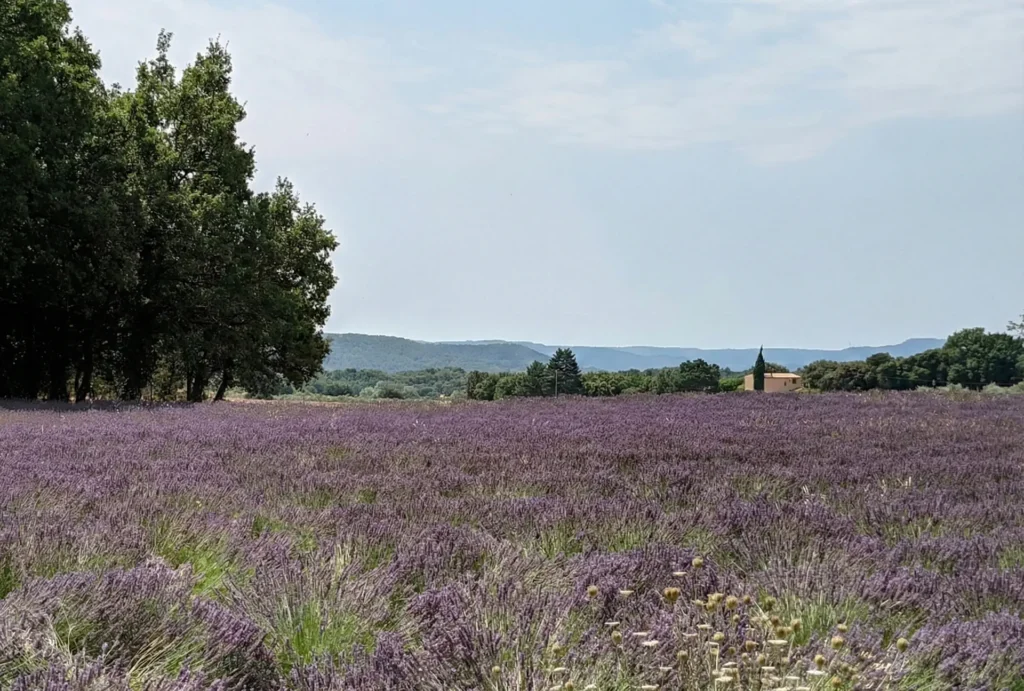
Highly Recommended
- Highly RecommendedLe Mas des Flauzières Ventoux (Red) 2023
Semi-opaque, purple edges. Ruby red. Lots of blackberries, a hint of liquorice, a tiny hint of leather, black toasty oak. Pretty spice and a hint of sweet oak. A more modern bold black opulent style. Fab acidity that really complements cherry and blackberry compôte fruitiness. Opens up to truffles, violets and coffee. Tannins are mouth-coating, black wine gum fruit., slightly dusty, gravelly and mineral that are clear and powerful, allowing the clean, crisp acidity to shine a spotlight on the fruit. Still very young and needs to tame that tannin. Stunning wine that balances freshness and ripeness really well.
- Highly RecommendedTriennes Rosé (Rosé) 2025
Very pale shell pink to pale salmon. A little subdued at first, opening to peach blossom, spice and blue flowers. On the palate, there is a firm inner inkiness and dark black minerality paired with a surprisingly gutsy body and weight. Remarkably structural, offering real texture and a clear attempt to deliver an experience that goes beyond simply refreshing. Despite this weight, it maintains beautifully vibrant, salty acidity, pithy white peach and an overall joyous charm to the wild plum and blue fruit.
- Highly RecommendedChâteau Paquette Roches Noires (Red) 2023
Opaque ruby. Incense, pot pourri, and a hint of struck match on the nose. Like walking into a dark church, everything is quiet and smells of an indescribable mix of spices and smoky incense. On the whole, a fresh wine with rich, intense, opulent dark fruit alongside fresh herbal, garrigue, leafy black tea, and floral notes. Firm, velvety, slightly dusty tannins balance fresh acidity and fine minerality. Firmly fruity and quite joyous, it is a very serious sort of wine that maybe does not laugh enough at itself, offering tons of spice, black fruit, and remarkable elegance. Long-term I would love to see a touch more complexity and weight on the mid-palate.
- Highly RecommendedFondugues Pradugues Rouge d’Été (Red) 2025
Mid depth red. Fresh, zippy, leafy reductive charm and that florality on the nose which is so typical of Cinsault. On the palate, hints of tarry liquorice, floral pot pourri, crushed raspberries and a carbonic maceration type gaminess. Some petillance and a very 'sauvage' wild energy. Incredibly full of fruit, bursting at the seams with brambles, black cherries and blackberries. There are some dark blue and black berries pulling out the tannic structure, alongside vibrant, bright purple acidity and a saline twist. Delicate and elegant, but powerful, concentrated and suave. Pretty rusticity to the tannins on the finish keeps things real and genuine. Despite all of the fruit, this is not a simple fruit-forward summer wine. This is fresh, vibrant, dark, moody and full of rebellious energy, and definitely more of a summer red than a dark rosé. Great drunk fresh in summer, and I am already dreaming of quaffing this with an excellent BBQ, during a summer thunderstorm in the arrière pays, or saving it for Saint-Tropez in autumn.
- Highly RecommendedDomaine Saint-Jean de Villecroze La Chapelle (Rosé) 2023
From the Haute-Maure lieu-dit of Flayosc. Golden salmon-coral. Creamy, nutty aromas with tropical flowers, bright herbal notes, soft peach, sweet oak and a hint of smoky toffee. Intense, opulent and unapologetic on the palate, delivering remarkable freshness and electric orange acidity. Vibrant and mineral right to the finish, enveloped by rich, soothing creaminess and well-integrated, dry oak tannins that still need time to mellow. Choosing a path inspired by Garrus and fine white wines rather than Tavel or Rioja; a refined, classy example of the creamy complexity achieved by malolactic fermentation in top Provence rosé.
- Highly RecommendedCave de Lumières Amaterra (Rosé) 2018
Semi-translucent garnet. On the nose, relatively fresh with some brambles, black fruit and black cherries. Inky and spiced. Crisp, slightly garriguey spice on the palate. Pretty and delicate with remarkably vibrant acidity. Fresh, pretty and elegant.
- Highly RecommendedDomaine des Féraud Indigène (Red) 2022
Light to mid depth red. Violets, cedar, tomato leaves, Ribena, pencil shavings, tobacco and lots of reductive struck match on the nose. Benchmark perfumed blue fruits. On the palate, firm dry tannins and vibrant chewy acidity balance the rather lovely silky deep purple-ness of the wine. Very crunchy, with vibrant youthful, pippy, woody and pencilly tannins. Not a big hefty blockbuster, but a highly drinkable, fashionable red with year-round appeal.
- Highly RecommendedChâteau des Ferrages Les Infirmières (White) 2020
Pale lemon gold. Lots of new oak and gentle tropical notes on the nose. Powerful new oak on the palate, somewhat dominating the lemon, honey fruit and a touch of canned pineapple. Rich, beeswaxy and unbelievably decadent, it is bursting with tropical fruit, coconut, wildflowers and creamy, perfectly ripe white stone fruit. A little brutish, the oak enhances the very ripe fruit and bigness rather than acting as a restraining support. Green apples, custard apples, almost softly ripe bananas, stem ginger and spice provide beautiful depth and complexity. The finish is an acidity bomb that blows away all memory of that decadence and exotic richness. Powerful and exciting; perhaps aiming at a more international or Burgundian style.
- Highly RecommendedLes Béates Vin Mousseux de Qualité (VMQ) Extra Brut (Sparkling white) NV
Dark lemon-gold white. Crisp white stone fruit on the nose, a hint of lemon, coconut, pineapple and very ripe fruit. Textural, lacy, chalky and mineral. A hint of white pepper. Zesty, energetic, high acidity, driven. Pure and elegant with very fine bubbles. Some extra depth to the fruit hinting at the use of black grapes. Not trying to be Champagne, but embracing southern fruit within the fine framework of elegant acidity giving finesse and length. Chenin really coming into its own here - an atypical wine that proves Provence can make good sparkling wine if it tries a good sparkling wine rather than a rosé with bubbles.
- Highly RecommendedChâteau La Mascaronne Côtes de Provence (Red) 2022
Mid to deep purple red. Cedar and dark bruised plums on the nose, alongside dark, concentrated, opulent hedgerow fruit, blackberries and sour cherries. On the palate, firm mineral pith acidity and rich dark bitter chocolate give a ripe mid-palate. Dark, inky, spiced and a little taciturn. Firm, grippy, chalky tannins wrapped in velvety fruit. Still quite closed and youthful, but very elegant, showing a pretty floral tropical charm on the finish. Very classy and an absolute benchmark of red Provence.
- Highly RecommendedCave de Lumières Collection Lumières (Rosé) 2017
Semi-opaque. Pretty red fruit and crunchy red fruit on the nose. Slightly black minerality and a hint of chalky salinity on the palate. Crunchy red fruit and pretty concentration. Elegant wine that is ageing quite well, but a bit too fruit-forward than most wines that I would expect to age. Crunchy, elegant and very delicate.
- Highly RecommendedDomaine Les Oeuvres Vives La Flaneuse (Red) 2024
Semi-translucent ruby red. Dark, inky Syrah aromas on the nose with hints of fruit-driven Mourvèdre. The palate is delightfully zippy, juicy and thirst-quenchingly refreshing, bursting with blackberries, cherries and plums. Driven by dark minerality, vibrant acidity, blue spice, garrigue and incense. The tannins are well-integrated and barely there. Despite its fresh elegance, there is very real weight and concentration. After decanting, it opens up wonderfully to add chocolate, chewy toffee and leathery notes. An absolutely delicious, charming wine.
- Highly RecommendedBastide de Blacailloux Aquino (White) 2024
Pale lemon yellow. Generous toasty oak on the nose. Pretty red apples, satsumas, a hint of tropical fruit and subtle smoke from the oak. Incredibly gravelly and textural on the palate, with generous alcohol, sweet creamy new oak and very citrussy acidity. Long finish with plenty of acidity - all in all, an elegant and dainty wine that squeezes in some remarkably fresh and zippy fruit despite the seriousness of the oak and the ripeness of the fruit. Rather lovely, and is exactly what all serious white Provence should aspire to: this is the benchmark that all fresh-but-serious-and-ageworthy Rolle should hit.
- Highly RecommendedJas Monges Sainte-Victoire (Red) 2024
Semi-translucent ruby. Perfumed red fruit. Elegant, almost ethereal, even cloud-like on the palate, with elegant tannins that seem to float above the rest of the wine. Concentrated and full-bodied but still pretty, lacy, dripping in peppery spice, fresh ginger and cedarwood. Vibrant acidity leading to textured, slightly phenolic tannins on the finish. Tight, concentrated, powerful and exceptionally youthful - give this a year to harmonise, at least. Slightly mineral on the finish, silky but firm. Fresh, concentrated and behind-the-scenes powerful.
- Highly RecommendedCave de Lumières Luminense (Red) 2022
Almost opaque, ruby edges. Beautifully ripe and silky black fruit aromas. On the palate, the tannins are still a little tight and dry, but very elegant and refreshing, playing with the lively freshness and incredibly juicy black fruit.
- Highly RecommendedBastide de Blacailloux Aquino (Red) 2023
Semi-opaque ruby. Leather, violets, blackcurrants and cassis on the nose. Black inky liquorice, generous spice and subtle, spiced gamey leather - utterly Provençal. Ripe, generous, muscular and solar, ending on warm alcohol and a slightly perfumed salinity. Tannins are firm but gentle, enveloped by fruit and sunny alcohol; even by sunny Provençal standards, this is on the riper side of things, yet perfectly balanced by fine acidity. Powerful, suave and generous; Cabernet-Syrah at its technical finest.
- Highly RecommendedDomaine Tempier Bandol (White) 2024
Aromas of ripe tropical fruit, white pears and crisp white floral aromas spilling on to the palate.Good weight and concentration supported by the textured phenolics gained from long maceration, dry, mineral freshness and very long acidity. The combination of Clairette florals and Ugni Blanc acidity is charming, avoiding the stern austerity of many chasing freshness. Lovely citrus zestiness and rich, ripe, round fruit.
- Highly RecommendedChâteau de Mille Luberon (Rosé) 2025
Almost a creamy white, very pale shell. Delicate but intense white fruit aromas of ripe dried peaches and apricots. On the palate, the delicacy evaporates, leaving a firm structural grip, lots of weight and a glassy, long, delicately mineral acidity. Crunchy white citrus and delicious white peach freshness; elegant, zippy and concentrated, with a slightly grippy, sandy phenolic finish. Rich, vibrant and almost lush.
- Highly RecommendedChâteau de Mille Luberon (White) 2023
Pale white to pale lemon yellow. A hint of struck match and oak on the nose. Nice use of oak giving some sweet salinity, nutty fruit, white pears, florals, pretty white peach and raw nuts. Pretty yellow citrus jostles with yellow peaches, a hint of yellow tropical flowers, slightly cooked marmaladey oranges and a hint of honeysuckle on the palate. Firm minerality and lots of vibrant acidity. Supple, concentrated and rather classy. Just a little soft on the finish with slightly creamy notes where I am looking for either crispness or richness, and instead finding neither. Pleasant enough premium southern white, perhaps taking more from the Rhone playbook than Provence, but doing a decent job of it.
- Highly RecommendedMas des Infermieres Source (Red) 2022
Mid depth ruby red. Slightly restrained on the nose, opening up to extremely classic leather, baking spice, sweet blueberry, and a hint of brown sugar. Rich dark black fruit and heartwarming ripe fruit of the forest with blackberries. Soft, supple, and ripe on the palate, with beautiful freshness and a charming delicacy. Crisp, elegant, and almost lacy on the finish, despite firm, slightly woody and nutty tannins, powerful extraction, and slightly evident alcohol. A serious and very fine red that does Provence proud.
- Highly RecommendedChâteau la Gordonne Le Sémaphore (White) 2024
Pale lime yellow. Restrained on the nose, but opens out to wonderfully fragrant, floral, slightly grassy wildflower meadow and garrigue exuberance. Full of fruit and floral charm. Vibrant, charming, slightly sandy and almost grippy texture. Evolves rapidly on the mid-palate towards weight and structure rather than the fresh-and-zesty ease of the nose, and continues on to the finish with intensity and gravitas. Not an easy summer white - this is serious but elegant, reminiscent perhaps of a very concentrated Riesling, full of vibrancy on the surface but hiding real structure underneath.
- Highly RecommendedDomaine de la Navicelle Zéphyr (White) 2024
From vineyards nestled almost at the edge of the city of Toulon. Very pale lemon-white. Sweet, generous but restrained oaky aromas on the nose. The palate showcases beautiful concentration, marked by a very long, saline mineral elegance and mouthwatering, stony acidity. Refreshing, linear and exceptionally classy, supported by dry, integrated tannins. Not a wine opting for brute force or decadence, but rather a refined, delicate, whispery and confident expression. Very lovely.
- Highly RecommendedDomaine le Novi Amo Blanco (White) 2022
From one of our favourite and most dynamic low-intervention producers in the hilly east of the Luberon. Pale lemon yellow. A hint of oak on the nose. Subtle white citrus. Crunchy white acidity, chalky phenolics. Very classy, modern and fashionable. Has an almost Languedocien crispness. Very saline, very mineral, fresh and zesty.
- Highly RecommendedChâteau de Clapier Soprano (Red) 2021
Garnet red. Restrained at first, opening up to rather snazzy red fruit, exuberant herbal notes, cloves, floral notes, and crunchy garrigue. Red cherries, strawberries, and fresh red berry acidity are backed by a surprising concentration hidden behind the delicacy. From one of the coolest parts of Provence, where Alpine winds blowing down the Durance are funnelled right past the vineyards, and it shows. Fresh, zazzy, crunchy, and dripping in red fruit with beautifully integrated ripe tannins. Hints of cedar and pine resin lead to a slightly woody and herbal finish. Chalky, vibrant, mineral, beautifully fruity, and very pretty.
- Highly RecommendedLa Bastide Blanche Estagnol (White) 2020
Darker lemon gold. Seriously concentrated on the nose with a hint of oak, a touch of honey, generous almond blossom, white peaches, and slightly tropical notes. The palate offers lovely richness with quite restrained fruit and seriously textural, slightly pithy acidity. Despite the intense ripeness, it is wonderfully linear, precise, and controlled, but with a gentle and elegant touch. It is currently going through quite a closed phase, and you can see that there is more structure and fruit there waiting to emerge. Wonderfully refined, beautifully silky all the way to the finish. Concentrated, classy, dreamy. Stands out among white Bandol for its seriousness.
- Highly RecommendedChêne Bleu Aliot (White) 2021
Pale yellow. Quite saline, tarry aromas on the nose with a subtle hint of oak, slightly flinty, yellow flowers and bruised apple fruit. Concentrated, almost glycerol texture on the palate. Oak is evident with serious nutty notes, a slightly chestnut richness and a lot of structure. Pronounced citrus acidity, very youthful freshness and grey mineral freshness with some fine phenolic backbone. Beautifully powerful with great freshness and all the ripeness and fullness of body of the South. Long length, almost mouthwatering. Textured, almost blunt in its strength but showing fantastic purity and elegance.
- Highly RecommendedLa Bastide Blanche Bandol (Rosé) 2025
Bright copper pink. Somewhat restrained on the nose with hints of floral red fruit, exploding on the palate with beautifully textured acidity. Lightly sandy, driven and incredibly powerful. A hint of white pepper, some spice and the tiniest hint of tight, dry tannins. The beautifully lasting, saline finish finally yields a touch of red fruit: wild strawberries and a hint of quince. Charming, classy and remarkably refined.
- Highly RecommendedChâteau des Bormettes Instinct Parcellaire (Rosé) 2025
Creamy water white peach, almost blanc de noir-esque. Delicate peach aromas with pretty white flowers. The palate is surprisingly intense and weighty with vibrant, almost searing chalky acidity. Red berries, sour raspberries, and fresh vibrant red fruit are joined by crisp, mineral green apples. Shows textured phenolics and a whisper of fresh thiol notes. Not overly complex, but the bold, confident weightiness is very appealing. Elegant, beautifully lacy, and possessing floral charm. More of a crisp white than a fruit-driven rosé, but delicious, showing lots of potential to take on more of a gastronomic element and perhaps even a little bit of richer ageing.
- Highly RecommendedChâteau Saint-Esprit – Famille Croce-Spinelli Origin (White) 2024
Pale gold. Herbal, creamy, honeyed and gently leesy. On the palate, vibrant minerality, plenty of tropical fruit, pineapple, very saline and exceptionally vibrant acidity. Crisp, saline, beautifully elegant and perfumed. Opens up to Sorrento lemons and a touch of wild fennel. Very elegant, driven, pretty and classy. An exceptionally unusual single-parcel Clairette that really proves that there is more to Provence white than crisp-and-crunchy Rolle!
- Highly RecommendedBastide de Blacailloux Miraia (Red) 2022
Semi-opaque garnet. Soft red fruit and soft, almost perfumed sweet oak on the nose. Velvety, silky, almost sneakily invisible tannins, tight and textural, dominate the palate. There's good acidity, but the profile is currently very closed in on itself, like a coiled up snake that you're not sure you ought to disturb quite yet. Blackcurrants, brambles, hints of olive oil, garrigue and beeswax lead into a finish of vibrant, powerful acidity and more of those tight, textural tannins. Lip-smacking, conversation-starting, dark and mysterious.
- Highly RecommendedChâteau la Croix des Pins Ventoux (Red) 2022
Semi-opaque. Beeswax, blueberry fruit and iodine. Very floral, blue velvet, scented incense and elegant blue velvet minerality. Slightly cab-mac reductive Syrah notes on the nose. Juicy red fruit on the palate, remarkably vibrant berry-driven and slightly floral. Mouthwatering, vibrant acidity, barely-there crunchy, lightly chalky tannins with a sandy-terroir prettiness and a slightly ferrous hint giving extra complexity. Elegant despite the weight, very modern.
- Highly RecommendedChâteau Henri Bonnaud Palette (Rosé) 2025
Very pale coral. A hint of soft waxy lees on the nose alongside creamy peaches and orchard blossom. Incredibly refined and delicate, powerful and exceptionally classy. Lots of white fruit, with red fruit conspicuously absent - but this is easy to overlook given how silky, intense and softly textured it is on the palate. Zippy, slightly citrusy acidity. Very Provençal - you can almost taste the Mistral and the limestone cliffs. Genuinely classy and refined.
- Highly RecommendedClos de Caille Lucis (White) 2024
Bright lemon yellow. Beautifully aromatic florals on the nose with gentle tropical white flowers, sweet ripe grapes, creamy marzipan spice, pineapple and Sorrento lemons. The palate is clean, glassy and crystalline. Quite a concentrated, creamy and rounded profile with an almost oily bitter almond fruit and nutty tannins, gracefully hiding a long, chalky, saline white acidity. Elegant, lacy, exceptionally modern and refined. A tight, concentrated and absolutely stunning finish.
- Highly RecommendedDomaine des Mapliers Abacus (White) 2024
Very pale lemon. Crisp garrigue, beeswax and green apples on the nose. On the palate, this is structured, disciplined, linear and powerful. Concentrated, but unafraid of aromatic exuberance: there's floral herbal garrigue, more of that honeyed, silky, almost creamy beeswax, plenty of orchard fruit and even a hint of white pepper. Remarkably driven and elegant; not heavy or over-ripe, just quaffable but seriously classy.
- Highly RecommendedMas des Infermieres Source (White) 2025
Pale lemon. Pretty zest lemon aromas with fresh floral fruit, crisp grassy green apples, gooseberries, and pears. Young and zesty on the palate with surgically precise acidity. Very elegant, mineral, driven, and precise, showcasing fabulous concentration. Absolutely a white for lovers of zesty rosé.
- Highly RecommendedDomaine de la Bastidonne Ventoux (Red) 2023
Semi-opaque. Ruby. Slightly toasty notes. Slightly cooked, velvety black fruit on the nose. A hint of black minerality, some very subtle black pepper. On the palate the toasty oak continues balancing the wild sloe and damson fruit. Tannins are very hard, very mineral, very extracted. Weighty mouthwatering tannins, vibrantly fresh acidity and opulent blue and black fruit with a fine inky minerality. Pretty acidity, and not too much alcohol, just enough to cover the very ripe, slightly soft fruit. A modern commercial opulence, mouthfilling and rather lovely, delivering on the prompt of a southern red full of sunshine.
- Highly RecommendedDomaine des Féraud Aromes des Maures (Rosé) 2024
Pale copper-salmon. Restrained on the nose with stone fruit, almond blossom, supple red berries and a hint of savoury, nutty oak. Crisp, remarkably saline acidity on the palate with a slightly coppery, metallic edge, softened by slightly sweet vanilla oak. Elegant and silky, with somewhat jammy raspberries popping up on the finish to lift the oaky concentration and structure. Juicy, weighty and quite serious, yet still very much a fun rosé.
- Highly RecommendedDomaine de la Brillane La Traversée (Red) 2021
Mid depth ruby red. Smoky cedar, a fair bit of spice, violets, blackcurrants, a hint of garrigue and slightly sweaty leather on the nose. Perfumed fruit opens out with time. Dry red berry fruit on the palate, with beautifully driven, linear, drying bitter tannins and a dark, chewy mineral core. It opens up to pretty, juicy black fruit, damsons, ripe plums and rather beautiful raspberries. Juicy freshness, lots of acidity and black pepper. A lovely Rhone-influenced style that is charming and lifted.
- Highly RecommendedLe Grand Cros Cecilia (White) 2024
Pale gold. Honey, beeswax and ripe stone fruit lead into an enticing hint of cinnamon. Surprisingly energetic, zesty and remarkably acidic, the mid-palate opens to a slightly silky, nutty concentration. Wrapped in concentrated and mouth-watering fruit with green apples and chewy acidity, it is wonderfully textural. A lovely balance, beautifully refreshing but still classy and concentrated. This is a serious but refreshing wine that shows Provence is capable of complexity just as much as it is freshness.
- Highly RecommendedLa Bastide Blanche Bandol (Red) 2022
Ruby red. Restrained dark fruit aromas with red berries and floral pot pourri. Delicate and elegant. Fresh crunchy red berry fruit on the palate features black cherries, blackcurrants, and the vaguest hint of wild strawberries and damsons. A nice balance of red fruit crispness, avoiding any green notes. Dark fruit ripeness, black chocolate bitterness and dark blue floral notes balanced by textured rough velvet, tannins, saline notes, and flinty minerality. Polished, smooth, and silky with powdery elegance all the way to the finish. The dark, chewy, concentrated tannins are Inky and dark and still dominating. Not a big powerful wine, but very pleasant. Don't be afraid to leave this a year or two in the cellar.
- Highly RecommendedMas Oncle Ernest Rien ne sert de courir (Red) 2022
Opaque. Rich, dark and inky on the nose with dark black blue inkiness. Big and opulent, velvety and ripe on the palate with serious grip, structure and mouthwatering acidity. Ripeness has been taken to an absolute limit, as have the tannins. It is big, bold, new world and intense. Taken to an extreme, a wine for lovers of Napa Cab with a southern French accent. Great acidity despite the weight and richness.
- Highly RecommendedMas de Cadenet – Famille Négrel Grande Garde (White) 2023
Pale lemon white. Subdued aromas with lots of beeswax and a hint of waxy kerosene. On the palate, a beautifully integrated use of oak gives weight with a hint of roasted nuts. Lots of silky apples, soft and rich stone fruit, beautiful white peaches, pretty almond blossom and a hint of menthol. Fresh, vibrant white fruit acidity with vibrant salty lemons, provides a mouthwatering, crisp linear body. Intense, tropical and incredibly moreish. Fresh and weighty but with fine elegance. Definitely a wine with ageing potential, embracing Sainte Victoire elegance without thiols or butteriness. Delightful.
- Highly RecommendedLe Grand Cros Aurélia (Rosé) 2021
Coral pink to mid-depth salmon. Lots of firm, vibrant, slightly smoky new oak on the nose. The palate reveals generous red fruit, fresh raspberries, hints of black fruit and blood orange citrus, all set against a regal, opulent oak backdrop. While the oak is still slightly firm and dry, it is the youthful, energetic fruit, driven by plenty of acidity on the finish which carries the wine. Unashamedly aiming to be a fine rosé first and foremost - and not even pretending to be a summer poolside quaffer. Needs time, but highly concentrated and moreish.
- Highly RecommendedDomaine Tempier Lulu and Lucien (Red) 2023
Aromas of black fruit, spice and cassis. On the palate the fruit is concentrated, elegant and silky. Black chocolate, fresh coffee, violets, black fruit, dark prunes and salty plums. A slightly saline finish with dark inky minerality and vibrant freshness. Classy with lovely silky tannins which almost invisibly have a grippy intensity.
- Highly RecommendedChâteau la Verrerie Luberon (Rosé) 2025
Very pale salmon. Restrained on the nose with some red fruit. Plentiful blood orange acidity on the palate carries bucketloads of perfectly ripe, juicy cherries and red fruit. Remarkably ripe, generous and devilishly fruit-forward, yet anchored by a chalky, grippy and perfumed finish. Charming and approachable now, but has the concentration and texture to carry it from a warm spring well into an Indian summer.
- Highly RecommendedCaroline Bonnefoy Caroline Bonnefoy (Red) 2023
Semi-translucent ruby. Pretty herbal, toasty and fruity notes on the nose with a hint of leather, spice, pretty minerality and lots of floral, violets and garrigue. On the palate, unpretentious juicy fruit, vibrant blue berries, and lots of wild raspberries with some lovely inky mineral tannins, firm almost carne cruda bloodiness. Delicate, refined, beautiful balance. Subtle, silky tannins and pretty acidity. Mouthwatering and powerful enough to accompany food, refreshing enough to drink on its own.
- Highly RecommendedChâteau des Sarrins Blanc Secret (White) 2022
Lemon gold. Delicately sweet toasty oak on the nose with hints of beeswax. Quite powerful, tight, saline citrus is very obvious and slightly blunt at first. Like the Rosé Secret, this needs time to open up and can feel quite brutish initially - these are not wines made for early drinking. Opens up beautifully after decanting to reveal subtle tropical fruit, a hint of crunchy red apples, and well-integrated oak. Classic Provence oaked Rolle.
- Highly RecommendedDomaine des Masques Exception Chardonnay (White) 2023
Pale lemon yellow gold. White peach and a hint of perfumed red apples on the nose, alongside soft and almost exuberant orchard blossom, hothouse flowers, and a whisper of struck match. Wonderfully ripe fruit on the palate, with white citrus acidity and stony fruit. Slightly smoky and nutty, with a tiny hint of silky oak providing beautiful richness. Long fresh acidity with a slightly chalky, schistous, driven, and linear texture. Very classy, decadent but refined. Classic fine white for those who want a little more classiness and complexity from Provence, without the lightness or fruitiness of rosés.
- Highly RecommendedChâteau des Ferrages Mon Plaisir (Red) 2024
Light to mid depth bright red, semi-translucent ruby. Soft sweet cherry aromas with lots of pretty violets, blue flowers, garrigue and almost a hint of lavender. Exceptionally pretty and lacy, fruit-driven and charming. Bright ripe raspberry jammy fruit on the palate, with some lovely saline garrigue notes. Beautifully light, almost ethereal, but gently extracted. Gentle but firm bitter chocolate tannins that are chalky and slightly drying. Crunchy, youthful, summery and really charming. Fresh acidity, generously mineral and a lovely summer red. Really rather lovely.
- Highly RecommendedDomaine des Masques Exception Syrah (Red) 2022
Dark opaque purple. Sweet spice, black pepper and dark fruit on the nose. Soft, supple, velvet-coated tannins and lots of smooth alcohol. Saline, mouthwatering, juicy black fruit and big, juicy hedgerow fruit with slight notes of tobacco. Generous ripe fruit beautifully poised with just enough crunchy red berries to cut through it all. Silky, well-balanced, fresh and energised. It is certainly decadent and extracted, ending on a hint of complexity with real personality.
- Highly RecommendedDomaine Perréal Mimèsis (Red) 2021
Dark purple to opaque ruby. A powerful, confident nose full of deep dark fruit, plums, blackcurrants, and secondary aromatics of spice, violets, leather, and garrigue. Dark, mysterious, and inky. On the palate, it is unapologetically ripe and supple with firm, silky velvet tannins and dark black fruit. Bold, confident, ripe, solar, and Provencal. The finish offers pretty, slightly jammy and floral blackcurrants alongside hints of eucalyptus and wild fennel. The alcohol is a little evident, and it would benefit from a bit more structural backbone to accompany the rugged, mineral tannins and stand in for the slightly subdued, chalky acidity. A very beautiful Cab-Syrah Provencal red, and quite a relief to indulge in after too much rosé!
- Highly RecommendedChâteau Pigoudet Signature (Rosé) 2021
Pale gold. Rich sweet bruised orchard fruit aromas with a hint of jasmine tea, ripe yellow peaches, and orange blossom. On the palate, crisp white peach acidity and fine mineral freshness are joined by a hint of slightly toasty, sweet-briochey oak. Gentle, sweet tannins and a black inky fruit provide structure alongside perfumed Sorrento lemons, navel oranges, and the tiniest whisper of freshly picked raspberries. Generous acidity makes it crisp, crunchy, elegant, and fruity. Absolute benchmark oaked Provence rosé, with all the acidity and freshness of high-altitude Coteaux d'Aix.
- Highly RecommendedChâteau La Martinette Clos Blanc (White) 2022
Lemon yellow. This is a wine that will divide opinion between those who find the oak raw, blunt, and overly piney, and those who appreciate its beautifully waxy texture and concentrated fruit. Opens up to subtle orchard blossom and honey. The fruit is so concentrated that it ranges from crisp greengages to slightly green hedgerow fruit and even a hint of blackcurrants, avoiding one-dimensional crispness. A lovely silky finish brings out every drop of fruit and ripeness, cut through by beautifully balanced juicy acidity. Drink this in a serious but slightly hip wine bar.
- Highly RecommendedBastide de Fave Réserve du Prieuré (Red) 2022
Dark, opaque ruby. Dark smoky, toasty red fruit on the nose with lots of ripe red berries, fruit of the forest, and mixed hedgerow fruit. Beautifully elegant and classy on the palate. Inky, dark, extracted, and mysterious; there really is something more to it, like a shadowy cave entrance that you just know Netflix wants to turn into a noir sci-fi horror drama exploring the mysteries within. Beautiful spice. A dark, inky, moonlight-in-a-puddle sort of wine. Vibrant, mouthwatering acidity and beautifully saline and mineral notes. Still very young, it opens up beautifully in the glass. Tannins are firm and textured but chocolatey, with a gentle sweetness to balance out the chalky extraction. Fruit, acidity, structure. Classy and a wine to make you stop and think.
- Highly RecommendedChâteau Coussin César à Sumeire Coussin (Rosé) 2025
Very pale shell pink. Restrained and neutral aromas with pretty, almost floral notes of apples and pears. Fresh, clean, and carrying nice weight and ripeness, the palate reveals dry, restrained mineral orchard fruit alongside hints of raspberries and the faintest whisper of fresh spritz. An exceptionally chalky, phenolic textural finish confronts the palate like a sheer cliff-face. This won't be to everyone's taste, but it lifts an otherwise uncontroversially pretty rosé, ending on some violets and hedgerow flowers. Rather intriguing.
- Highly RecommendedDomaine Richeaume Carignan (Red) 2023
A single parcel of half-century-old ultra-low-yielding Carignan, mostly vinified in whole bunches and aged in terracotta amphora. Crimson ruby red. Wild, savage fruit aromas on the nose with nice spice, hints of leather and blackberries. On the palate, lots of crunchy, jubilant, possibly carbonic fruit and sloes. Quite tannic with textured blue tannins that are elegant and juicy. Vibrantly austere acidity which is stunning for the hot climate of Provence. Great ageing potential and an ideal, extremely fashionable warm-weather red to cut through rich food. Ends on pretty blue flowers. Charming.
- Highly RecommendedDomaine De L’Amaurigue Fleur de l’Amaurigue (White) 2024
Soft lemon white. Hints of pear drop and flint on the nose. On the palate, remarkably ripe orchard fruit, red apples and a hint of almond blossom. Dry, stony minerality, fresh and zesty. Quite neutral but fresh, simple, with some good concentration. A marble-cold silky texture and beautiful weight. Oak comes through powerfully on the finish with a slightly nutty tannic grip, balancing beautifully with the elegant fruit. Very much an oaked white for a lover of Provence rosé; delicate, elegant and fruity without excess. It ends with a hint of white pepper, orchard blossom and orange blossom.
- Highly RecommendedChâteau la Sable Luberon (Red) 2023
Opaque ruby. Red fruit aromas with gentle perfume and floral charm, showing a hint of jammy red berries, subtly sweet new oak, and a hint of violets. Rich, lush, and full of joyous red berries, strawberries, and raspberries on the palate. Elegant tannins, gently chalky and mineral, supported by plenty of acidity and refined fruit, with a hint of cloves and stem ginger towards the finish. Attractive and appealing fruit with obvious Grenache typicity. Beautifully elegant. A classic Provencal red with quite a bit more Grenache character bleeding through than typical.
- Highly RecommendedDomaine Saint-Jean de Villecroze Coteaux Varois en Provence (Red) 2021
Mid-plus purple-ruby. Fine blue mineral aromas with rich dark chocolate, roasting coffee and fresh nutty sourdough toastiness. Generous and rich on the palate with concentrated, opulent blackberries, wild plum, spice and pepper. Sour stony mineral acidity balances the almost sweet jamminess. Ripe, chewy, velvety tannins rely more on firm ripeness and alcohol than on pure extraction for structure. Big, hearty, generously bold and full of Provençal sunshine - serve with daube and gnocchi!
- Highly RecommendedChâteau du Rouët Fréjus (Rosé) 2024
Creamy shell salmon to pale shell. Soft peach, dried apricot, and ripe stone fruit on the nose, alongside a hint of apple blossom and subtly sweet, smoky oak. Lovely ripeness and fullness of body on the palate, showing nice leesiness, ripe peaches, and yellow fruit, (typical of Tibouren) without any hints of red fruit. Silky, generous, and bursting with good ripe concentration. A hint of oaky tannins provides grip and depth, while the high alcohol is well integrated. Ends on some perfumed oranges, pretty orange blossom, and a hint of gravelly minerality, presumably from the volcanic soils. Very pretty, it will please those looking for a classical Provence rosé with extra weight and complexity.
- Highly RecommendedCave de Beaumont Les Terrasses (White) 2023
Very pale gold to lemon yellow. Very honeyed and honeysuckle-type aromas on the nose alongside garrigue, spice, wildflowers and a hint of liquorice. Slightly hard and mineral on the palate with vibrant acidity, lots of crunchy green apple fruit, white citrus pith and darker florals. Violet minerality and a stony structure run throughout. Elegant and delicate, very fresh and pretty. A Mediterranean white with real complexity and an ethereal elegance that is at odds with the intense ripeness usually found at this level.
- Highly RecommendedChâteau Bellini Bocaïa (Rosé) 2023
Creamy golden white. Fresh white peach aromas, orchard blossom, spice, some tropical white flowers and a hint of black pepper on the nose. On the palate, chalky acidity, white peach fruit, slightly saline minerality and a broad white breadth mid-palate. Beautiful concentration; silky, powerful, and packed full of orchard fruit alongside layers of spice and floral charm. Remarkably full-bodied, but lifted by exceptionally well-integrated acidity. Very fine and very elegant.
- Highly RecommendedDomaine des Anges Archange (White) 2023
Bright gold to dark gold. New oak on the nose with a touch of vanilla, coconut, spice and soft yellow peaches. The saline saltiness of the oak meets very bright citrus acidity on the palate. Beautifully perfumed and delicate, with a subdued, wispy yellow stone fruit presence. Slightly mineral and dominated by an umami oak that gets sweeter towards the mid-palate. Nice clean sparkle to the citrus acidity and some good ripe weight. The finish is very chalky, phenolic and oaky, but also remarkably fresh, glassy and crystalline. Mouthwatering, zesty and linear. Classy, but far too young and needs time to age.
- Highly RecommendedDomaine Dalmeran Les Baux-De-Provence (White) 2024
Pale lemon white. Very perfumed aromas of tropical fruit and yellow flowers. Ripe, soft, and beautifully opulent on the palate with soft, creamy, oaky acidity and a slightly smoky salinity. Beautifully silky, rich, and textured, leading to a slightly gravelly finish. Proof that Provence can make fresh, elegant wines that still deliver on concentration and texture.
- Highly RecommendedDomaine la Camarette Ventoux (Rosé) 2021
Semi-translucent, surprisingly brickish edges. Slightly salty red berry aromas, raspberry jam and lots of wild strawberries. Full of southern Rhone joy, lots of exuberant Grenache fruit, struggling acidity but a juicy vivacity. Succulent with hints of black chocolate. Slightly saline on the finish, with bucketloads of juicy red berries and a healthy dose of garrigue and thyme flowers. A little softer maybe than Chateauneuf-du-Pape, but still offers that beautiful Grenache fruit with a herbal saline edge and pithy acidity. It is not taking itself quite as seriously or heavily, giving it a wonderful ease and charm. Very beautiful southern Rhone.
- Highly RecommendedChâteau Rasque Petit Rasque Rouge (Red) 2023
Semi-translucent ruby. Very traditional, almost old-school aromas of red fruit, plums, dark hedgerow fruit, and hints of raisins. The palate features sour red berry fruit that moves a bit more towards blackberries and black cherries as it opens up. Dark, inky, and very serious with mineral tannins that are subtly drying. It boasts lovely concentration with gutsy tannins and confident, rigorous extraction. Nice, classic, and moreish, if a slightly unexceptional old-school Provence red. This isn't beachfront Provence; it's Cézanne Provence in winter.
- Highly RecommendedCellier des Princes Domaine de Ju Ventoux (Red) 2022
Almost translucent, garnet edges. Blueberry fruit aromas. Pretty fruit of the forest jammy notes, some spice and a hint of stem ginger. Lovely fresh mineral elegance, wild berries, textured tannins and an incredible salinity which makes this wine so light and refreshing. Not the most full-bodied, but making up for it with lovely aromatic prettiness, elegant lightly chalky mineral tannins, lots of red fruit and great acidity. Utterly classic southern Rhone. Elegant, zesty, going a few steps further.
- Highly RecommendedChâteau Vignelaure Coteaux d’Aix-en-Provence (White) 2022
Winemaker Philippe Bru loves Sauvignon Blanc, and that passion really shows in this wine. Pale lemon. Creamy butterscotch and lots of creamy oak on the nose - no shortage of evidence of malo and oak. On the palate, soft creamy butterscotch. Very soft and ripe with some fresh white lemon, zesty chalkiness and creamy malolactic notes. The fruit is a little sweet, showing overripe white peaches, toffee apples and almost a buttered-sweetcorn softness on the mid-palate. Bizarrely, I rather like this quirkiness; it is vibrantly fresh, mineral and beautifully rich. Silky and soft, ending surprisingly on a slightly saline, zesty finish. Almost caricaturally bold, rich, full of fruit and decadence. Remarkably ripe and opulent, to the point of being rather unusual. The oak still needs time to settle, but this is a uniquely bold wine, even if it is not to everyone's taste.
- Highly RecommendedCave de Bonnieux Domaine Bastide de Rodon Ventoux (Red) 2024
Pale purple. Fresh blueberry fruit. Young, fruity, a little one-dimensional on the nose. Lots of blackberries, some liquorice. Slight black pepper. Very young fresh vibrant drinking. Blue minerality, fresh saline length. Incredibly juicy, fruity, vibrant. Structured enough to be serious, edgy enough to be fun. A little simple, but so full of fruit and enthusiasm. Easy-drinking, young, fun, exciting.
- Highly RecommendedChâteau de Pibarnon Nuances (Rosé) 2022
Copper cherry pink. Typical reductive notes and restrained red fruit of young Mourvedre on the nose. On the palate, red cherries, strawberries, raspberries a beautiful intensity of fruit - absolutely oozing with juicy red berries, but still somehow boxed in by firm, rigorous, unyielding slightly reductive minerality. Pretty inky intensity. Hints of liquorice and wild fennel, lavender and garrigue. Pretty acidity, lots of ripe juicy fruit. Beautiful concentration and exceptional depth. Textural, chalky, rigorously structural. Stunning rosé that goes over and above in every possible way.
- Highly RecommendedChâteau du Seuil Grand Seuil (White) 2022
Pale lemon. New oak evident on the nose, lifted by very pretty white flowers, tropical fruit and a remarkable eagerness. Creamy, fresh pears and bitter lemon fruit on the palate, alongside lots of pretty citrus, satsumas, green apples and a hint of pithy gooseberries. There is a lovely phenolic charm with salty acidity and a hint of chalky texture. Light, elegant, floral and beautiful given the weight and seriousness of the oak (opinion divided over the amount of oak). Will please those looking for elegant, saline whites just as much as those looking for something a bit more serious and conversation-starting.
- Highly RecommendedChâteau de Brégançon La Réserve (White) 2025
Pale lemon to pale lime. Some crushed green apples on the nose with a hint of citrus. Opens up to some apple blossom, a touch of sweet almond, really rather pretty fruit and lovely ripe La Londe richness. Hints of pineapple and a touch of white melon. On the palate, this is most certainly fruit-driven, with full mature ripe fruit, textured, slightly chalky, citrusy acidity backing up the finish with texture, charm and seriousness. Very fine, elegant acidity, beautifully balancing the. ripeness with freshness. As it breathes, the fruit really takes over. Intense, moreish, ripe and extracted but without too much texture or phenolic grip. Weighty without being heavy, lifted by just a whisper of salinity on the finish. Ripe, solar and a wine which should age well. Seriously classy.
- Highly RecommendedDomaine de Champ Long Argile (Red) 2023
Semi-translucent, ruby edges. Muted aromas of red berries. Lots of incredibly juicy and expressive red berries on the nose, clearly fruit-driven rather than jammy. Very creamy ripe wild blackberries and raspberries, firm textured mouth-coating tannins, long fresh acidity. Incredible intensity with crisp, lightly chalky tannins. Very refined and lacy despite the power. A seriously exciting, classy wine with lots of ageing potential. Quite a serious wine, alcohol evident. It is a bit too rigid, a bit too extracted and a bit too intellectual to be easy to recommend, lacking that grab to drink more than one glass.
- Highly RecommendedChâteau Rasque Blanc de Blanc (White) 2025
Pale lime yellow. Restrained on the nose with lavender, garrigue and floral notes. The floral profile continues on a wonderfully generous, full-bodied palate with beautifully silky, opulent and ripe fruit. Honeyed, but remains mineral, zesty, firm and crisp. Nice concentration leads to a touch of nutmeg spice on the finish, adding complexity while remaining driven. Confident winemaking and beautifully expressive grapes; a great example of a modern Provence white that understands freshness doesn't have to sacrifice depth and weight.
- Highly RecommendedCommanderie de Peyrassol Clos Peyrassol (Red) 2022
Opaque ruby. Intense and generous on the nose. Quite evident oak, opulent alcohol, ripe brambles and hedgerow fruit, a touch of blackberries and sandalwood. Beautifully soft and generous tannins with remarkably fresh acidity balancing the richness and generosity of the fruit and tannins. Some black liquorice and a cool herbal garrigue take over the mid-palate, before fading to a slightly torrified dark coffee finish. Ripe, solar, generous and unmistakeably Syrah. Nice use of concrete eggs for that rounded, silky tannic freshness.
- Highly RecommendedLe Mas des Flauzières La Baume (White) 2023
Lemon gold. Slightly musky pêche de vigne, bruised yellow peaches, melon, almost papaya and subtle tropical notes on the nose. Very floral, gentle and buttery with scented lemons. The palate shows classic ripe, rounded, oily body, much more Condrieu-like than expected. Plenty of lovely fresh acidity as it opens up, but this is still very much a powerful, intense, subtly complex ripe wine full of opulence. Easy drinking, powerful, concentrated and classy. Serve this as a Condrieu and the crowds will go wild for it.
- Highly RecommendedDomaine de Tara Hautes Pierres (White) 2021
Lots of oak on the nose, a hint of struck match, very pretty white fruit and lots of stone fruit. A little mineral and pithy on the palate. Remarkably fresh and dry given the aromatic richness on the nose. Lovely concentration. Dry, mineral and pretty. Very classy.
- Highly RecommendedDomaine Tempier Tourtine (Red) 2023
Black tea, lavender and inky saline aromas alongside black inky flowers. Where La Migoua was showing youthful openness, La Tourtine is closed and moody, but this could reverse at any time. On the palate, it is very tight, very black, long and closed. Juicy black fruit and berries, slightly leathery, exceptionally inky and mineral. Steely, oily and dieselly. Remarkably fresh and acidic with firm, grippy tannins that have a closed, taciturn simplicity to them. A little one-dimensional in its youth. This lacks the depth and complexity of some more modern expressions of Bandol that somehow manage to be both brilliant from day one and then forever after.
- Highly RecommendedDomaines Ott* Château Romassan Bandol (Rosé) 2025
Creamy shell pink. Very restrained on the nose with a touch of red berries. Crisp, crunchy forest fruit, black berries, and soft ripe strawberries. Restrained fresh acidity, silky finish, and some firm dark inner structure. Nice intensity, concentrated, and very delicate with an inky power despite the delicacy. Remarkably mineral and slightly austere phenolic grip on the finish. Lovely classic what Provence is all about.
- Highly RecommendedMarrenon Inventa les Combes (Red) 2020
South of the appellation near Cucuron. Much riper, softer and jammier. Much more decadent. Inky. Soft, supple and velvety. Almost new world, almost jammy. Rich and decadent, still with a firm tannic backbone.
- Highly RecommendedChâteau la Gordonne Cirque des Grives (Rosé) 2024
A vin gris or blanc de noirs style. Restrained at first, this opens up on the palate to sheer intensity and a glassy, almost invisible "less-is-more" concentration and drive. Powerful and tight, recalling the effortless austerity and seen-but-not-heard minerality of Clos Mireille. A lasting, powerful and crystalline finish built on a backdrop of velvety, confident, full-bodied weight.
- Highly RecommendedChâteau Pesquié Quintessence (Rosé) 2024
Golden salmon pink, pale coral. Restrained floral, pretty herbal, almost leafy garrigue on the nose with dried apricot aromas; wild fennel with a pretty pungency, almost pepperiness adding real depth. Slightly reductive freshness giving a crunchy white lemon acidity with a saline herbal twist. Ripe apricot and peach fruit peeping round the taut mineral structure. Vibrant acidity, powerful and silky. Very, very fresh and linear, despite the silkiness and depth. Very elegant with some finesse with fuller ripe weight. Refreshing and very gently phenolic on the finish, which adds real structure and complexity. Tasting quite closed today, I expect this will soften and open out nicely in a few years.
- Highly RecommendedChâteau des Bormettes Hélène (White) 2024
Very pale lemon white. Saline herbal aromas with hints of blue flowers, fine minerality, and quite perfumed notes. Crisp, crunchy citrus on the palate that is zesty and mineral with fresh acidity. Lacy, silky, perfumed, and pretty. Rather nice, elegant, and classy; the kind of wine that sparks a conversation about itself. It shows the beginnings of complexity and beautiful freshness that isn't just technical acidity and unripe fruit. Slightly tropical and floral - a classy summer white.
- Highly RecommendedChâteau du Seuil Coteaux d’Aix-en-Provence (Rosé) 2025
Pale shell. Pretty red fruit on the nose. Lots of red cherries, cranberries, a touch of pomegranate molasses and rosehips. Beautifully aromatic, almost perfumed. Seriously concentrated red fruit on the palate, with vibrant acidity and a hint of floral complexity. Grippy and textural - downright charming and a real pleasure. A rosé that isn't afraid of going the extra mile! Textural and concentrated rather than one-dimensionally aromatic.
- Highly RecommendedDomaine Richeaume Tradition (White) 2024
Very pale gold. Hints of honeysuckle. Beautifully creamy and rich. Malo quite evident against a backdrop of pretty floral perfume. A tiny hint of sugar balancing subtle phenolics - in 2024, the tank didn't ferment dry, and Richeaume is precisely the sort of producer to bottle a vintage-led wine. Salty toffee richness. Very yummy - but exceptionally atypical.
- Highly RecommendedLes Béates Les Béatines (Rosé) 2025
Very pale shell. Delicate and floral on the nose with hints of inky blueness, pêche de vigne, stone fruit and lees. Lovely and silky on the palate, with rounded, softened, generously ripe strawberries lifted by a lacy texture and remarkably elegant acidity. A hint of black schistous minerality flows into a finish that is generously spiced with hints of garrigue. Elegant, crowd-pleasing, and very well-made.
- Highly RecommendedDomaines Bunan Moulin des Costes Bandol (White) 2025
Very pale lime gold. Leafy, floral and garrigue with bitter almonds and pineapple. Austere and crisp. Very mineral and saline; closed and tight. Textured pithy acidity and a powerful saline finish. A nice phenolic finish extends to the tip of the tongue, lending it a chalky gravitas that makes up for the austerity. As it breathes, it reveals almond blossom and waxy tropical flowers. Nice depth and complexity that sets it apart from easy-drinking Rolles.
- Highly RecommendedMarrenon Les Villages Perchés (Red) 2022
Ruby red to semi-opaque ruby. Vanilla, lots of blueberries, lots of spice, chocolatey molasses, chocolate digestives and fudge on the nose. Very floral and very mineral on the palate with some fine dry lavender mineral tannins. Inky, moreish, chewy and velvety. Incredibly textural. Quite ethereal and very different, not a blockbuster but beautifully elegant. Classy southern French Syrah, Provence-style done right. Would have liked to see a bit more depth and another dimension other than just big chewy chocolate, but who am I to complain? Long freshness.
- Highly RecommendedChâteau Saint-Esprit – Famille Croce-Spinelli Origin (Red) 2024
Translucent ruby. Very reductive struck match on the nose, some red fruit. Very juicy and refreshing, with vibrant acidity and lots of red fruit. Quite tight, structural and restrained, with surprisingly extracted and pippy tannins. Powerful, drying and slightly phenolic. To my taste, it lacks a little ripeness, and is only just making up for it with sheer intensity of fruit and grippy texture. Definitely a summer red for those who appreciate the minerality and occasional austerity of very pale Provence rosé, coupled with the struck match and structure of good Syrah - or, in this case, Cinsault. Especially if left to decant for a while, this becomes rather beguiling...
- Highly RecommendedBomont de Cormeil Coteaux du Verdon (Rosé) 2025
Very pale pink. Very floral aromas on the nose - thanks to the Viognier, even if it no longer makes up a huge proportion of the blend - opening up to incredibly concentrated pretty white peaches, white citrus and a hint of salinity. On the palate, the Viognier also contributes a touch of oiliness which can distract from the freshness, especially in hotter vintages, Nevertheless, it is beautifully concentrated, dripping in elegantly restrained fruit, intense and driven, with some nice dark fruit emerging contributing to the depth and weight. The fat ripeness is balanced by some precise, elegant, and crystalline acidity giving a crunchy citrus finish jostleing with a softened saline edge. Still one of the best expressions of the Coteaux du Verdon terroir and its signature freshness.
- Highly RecommendedChâteau La Coste Coteaux d’Aix-en-Provence (Rosé) 2025
Very pale shell. A touch of black fruit and slightly floral on the nose. Nice concentration, with lots of full-bodied and remarkably ripe red fruit on the palate, alongside some spice. Blood orange and red grapefruit meet a slightly saline twist to the minerality. Silky, long-lasting finish. Lovely concentration makes this a real wine - charming and fruity, but still classy and refreshing.
- Highly RecommendedDomaine Richeaume Cuvée Columelle (Red) 2021
Columelle red is Richeaume's classic Provence-style Cab-Syrah blend, and it shows. Weightier, more velvet, more grippy tannins than his Carignan. Truly velvety tannins, extracted. Blackcurrants, cassis, violets. Cabernet very evident, leading slightly jammy black fruit on the finish.
- Highly RecommendedVignerons du Mont Ventoux (VMV) Ventoux (White) 2023
Very pale gold to pale lemon. Subtle honeyed notes, gently powdery lemon aromas and some pretty white stone fruit on the nose. Softness and steely minerality combined on the palate. Remarkably fresh, delicate, elegant and almost lacy. Quite a tight wine, the acidity of Ventoux is powerful and needs powerful fruit to hold it in control. Saline mineral acidity rather than citrus, with pretty floral fruit held in restraint. Just a hint of slightly smoky oak on the finish really lifts the wine and bumps it up a notch in terms of complexity. Serious, moreish, classy and refreshing without being unripe. Great southern white.
- Highly RecommendedChâteau de Sannes Aciana (Rosé) 2025
Very pale shell. Slightly grassy tropical fruit on the nose with a touch of white citrus. Crisp, refreshing and beautifully intense on the palate with quite generous red fruit. Confident and zesty, bursting with red berries and really well-integrated acidity. A top-notch, summery-inspired rosé; utterly charming, refreshing and full of life.
- Highly RecommendedChâteau de Beaupré Façon Phanette – Allez Zou à la Cave (White) 2025
Very pale lemon yellow. Lots of crisp green apples and white citrus. A touch of lime drops. Slightly slatey, flinty, dark grey minerality on the palate. Elegant, charming and concentrated - classic yet modern. Nice concentration, and that minerality on the mid-palate really adds depth that goes beyond fun and fruity. A hint of lees or slightly chewy, saline, phenolic weight on the finish adds yet more charm. Decanting recommended to get the most out of this wine that just keeps on opening up. Serious depth and real texture that goes to show that there is more to Provence white than aromatic-crisp-and-crunchy Rolle.
- Highly RecommendedDomaine Gavoty Contretemps (Red) 2023
Translucent ruby! Could be duped into thinking this is a rosé. Restrained on the nose, but vibrant, zippy and charmingly chaotic on the palate. A hint of almost (but not quite!) Burgundian wilderness, garrigue. Crisp, crunchy youthful tannins. Lots of red fruit. Vibrant acidity and fresh, barely-there red berries. Elegant, zingy, refreshing and extremely joyful. Summer red, or maybe a very dark, tannic winter rosé for those looking for fruit rather than richness and ripe, figgy complexity. Soulful!
- Highly RecommendedMas des Infermieres Chevalier (White) 2024
Pale water-white lemon. Scented lemons, coconut and fennel on the nose. Opens up on the palate to vibrant, leafy citrus notes enhanced by the delicate sweetness of oak. It shows a beautiful balance of fruit concentration, fresh white lemon acidity and pomelo-scented fruit. Elegant, pretty, delicate and daintily concentrated, yet still very serious with a long, white mineral finish and pretty floral notes. An utterly lovely, perfumed white for a hot summer's evening.
- Highly RecommendedDomaine la Suffrène Les Lauves (Red) 2019
Suffrène's top single-vineyard red Bandol. Dark purple with an opaque ruby core. Delicate and restrained on the nose with pot pourri and inky dark purple fruit. Initially showing freshly-bottled spritz that hides much of the fruit, supported by bold, chalky, highly extracted tannins. After decanting, what a different wine. Deep dark dense purple velvet, blue flowers, and crunchy red fruit emerge, smooth and supple but still with concentrated power. A wine that will divide opinion, as it is a slight departure from Suffrène's typical modernity, and a nod towards old school Bandol, typical of this very hot and dry vintage. Significant ageing potential, at the expense of being slightly unapproachable today. It's a massive softie at heart, but it needs ten years in the cellar before it will be to everyone's taste.th
- Highly RecommendedChâteau de Berne La Grande Cuvée (White) 2022
Bright gold. Lots of rich honeyed beeswax and softly-spoken stone fruit. A whisper of black tea, bergamot, garrigue and chalky limestone minerality. Oak quite present, adding to that perfumed, intense, waxy minerality. Beautiful spice and evolution, with softened, velvety acidity. Acidity especially evident on the finish. Charming, and showing real depth and complexity. Weighty, traditional, and showing Alexis Cornu's penchant for wines that develop seriously evocative tertiary charm - this really benefits from decanting and letting breathe to allow it to shine.
- Highly RecommendedChâteau Galoupet Côtes de Provence Cru Classé (Rosé) 2025
Pretty floral perfumed stone fruit on the nose. A hint of red fruit, very delicate and refined. Whisper of oak and black schistous minerality, white pepper and utterly crystalline. The fine structure remains discretely hidden. Hints of barely ripe stone fruit, definitely showing the crispness of the vintage and a touch more crisp than in previous vintages - perhaps the impact of including some fruit from young vines planted vines in 2019 and 2020.
- Highly RecommendedChâteau Coussin Château Coussin César à Sumeire (White) 2023
Water white pale lemon to very pale lime yellow. Leafy on the nose with a hint of lavender minerality, flinty waxy lime drops, and a subtle hint of kerosene. Very fresh and beautifully elegant on the palate, showing zippy limestone acidity and a slightly sandy, lacy, ethereal mid-palate. Clean and pretty with a nice concentration of fruit and perfume, though leaning a little neutral. The finish has a subtle waxiness and honeyed salinity that hints at potential in the future. Can imagine this by the bottle in a top-notch restaurant trying to reinvent the classic bistro.
- Highly RecommendedChâteau Bellini Coteaux Varois en Provence (Rosé) 2025
Pale shell salmon pink. Vibrant fresh red berry fruit, some dark ripe fruit and zesty acidity. Very delicate, but actually rather nice - a small departure in style for a wine that typically stands out for its weight and ripeness, but still very finely balanced and utterly charming.
- Highly RecommendedMas Sainte Berthe La Chapelle (Rosé) 2025
Pale coral. Pretty red fruit on the nose and a touch of spice. Generous red fruit, red cherries, raspberries and a touch of brambles on the palate. Opens up very prettily on the mid-palate with some dark flinty, schistous minerality. The dark inkiness from the Mourvèdre is really pulling its weight, leading to a silky finish. Charming and utterly crowd-pleasing, yet gutsy and serious.
- Highly RecommendedMoulin de la Roque Les Baumes (White) 2025
Pale water white. Neutral, slightly restrained nose. Very crisp, mineral, driven, and precise on the palate with fresh white fruit, a slight nuttiness, and good acidity. Nice concentration that is powerful yet fresh. Structured and very textural; not just driven by pretty and perhaps ephemeral floral and white fruit, this is weighty and shows the beginnings of real complexity and class. A great example of the crispness and textural elegance of good white Bandol.
- Highly RecommendedChâteau Saint-Esprit – Famille Croce-Spinelli Nébra (White) 2024
Pale gold. Honey, creamy beeswax, pretty tropical flowers and some bruised stone fruit. Vibrant acidity toys with the creamy, leesy mid-palate. A touch of stem ginger, some green apples and tropical fruit (papaya or pineapple) appear towards the finish. Very pretty. Concentrated, charming, serious and incredibly crowd-pleasing. Crisp, tropical acidity on the finish. Modern but firm and classy.
- Highly RecommendedChâteau Barbebelle Heritage (Rosé) 2025
Pale shell. Restrained on the nose. Really beautifully poised on the palate - despite the anonymity on the nose, this is beautifully silky, delicate, elegant and refreshingly lacy on the palate. Pretty white citrus, hints of kumquat, mango, even some crisp white melon. Despite such delicacy and whiteness of the fruit, there is no greenness, and any austerity is simply translated as elegance rather than hardness. A hint of salinity on the finish, lovely juicy acidity, lots of white fruit. Seriously pretty and modern - a great wine for someone looking for delicacy and freshness.
- Highly RecommendedDomaine d’Eole Vermentitude (White) 2024
Pale lemon. A somewhat neutral nose with hints of spice and flowers. Surprisingly delicate on the palate, with fresh white lemon, lacy white fruit, slightly bruised red apples and verbena flowers. Sour minerality, fresh and zesty with firm phenolics giving weight and gravitas. Not a complex wine, but good balance and concentration make it a very attractive offering that will age well. It ends slightly honeyed with a touch of textural grip from the amphora, providing real gravitas and a pretty hint of spiced complexity. Elegant, floral and remarkably serious despite the delicacy.
- Highly RecommendedChêne Bleu Le Rosé (Rosé) 2025
Pale salmon pink. A tiny hint of reduction on the nose. Sweet ripe red fruit, dry on the finish. Slightly chalky minerality - firm but elegant. Some nice concentration balancing the phenolic structure. Beautiful intensity of fruit and some real cool-climate ripeness shining. Lovely concentration with a spiced, inky mineral core that really delivers complexity and seriousness - not just pretty fruit. Is this Rhône-style or Provence-style?
- Highly RecommendedDomaine de la Citadelle Gouverneur Saint Auban (White) 2023
Pale lemon to very pale gold. Lots of nutty oak on the nose, some ripe stone fruit, yellow peaches and slightly cooked apples and pears. Soft lemon fruit on the palate with very tight, mineral phenolics, creating austere, linear length and lovely clean, elegant acidity. A fresh Rolle that has had some barrel ageing and managing to both retain the freshness and a touch of extra weight. Some saline, smoky tannins on the finish along side the fresh fruitiness rather than integrated, and more grip than charm. Drink now if you like ripe, fresh whites - I would certainly finish the glass and happily order another one,. but would also suggest some extra ageing.
- Highly RecommendedBastide de Blacailloux Miraia (White) 2024
Very pale lemon white. Restrained on the nose. On the palate, rather silky and sumptuous, with concentrated white stone fruit and rather a lot of structured white citrus. A hint of nutty lees, toasty but beautifully integrated oak, crisp acidity and serious gutsy concentration. Refreshing but elegant, concentrated, powerful, yet modern and crisp. Perfect for summer drinking, but has the weight and texture to stand up to food or even a rainy winter's day and a little escapism.
- Highly RecommendedDomaine Gavoty Storia (Red) 2023
Carignan planted in 1961! Moderate to semi-opaque garnet. Lots of leafy, slightly carbonic black fruit. Floral and perfumed with pot pourri and damsons. Black tea, orange blossom, bergamot, and quite drying tannins. A touch overripe and figgy, and even the very delicate extraction can't quite save it. Lots of acidity that feels a bit out of touch; it's fresh, but lacks harmony as only Carignan boyishly can. Big and boisterous aromatically and not particularly refined, but wonderfully solar and full of spice and fruit. Soulful, gluggable, and very Carignan.
- Highly RecommendedDomaine le Novi Les Soucas (Red) 2022
Semi-translucent ruby. Some spice, garrigue, hedgerow fruit, sloes and damsons on the nose. Savoury inky blackberry fruit on the palate. Pretty blue flowers and a pretty, lightly mineral acidity. Lots of fresh plums and even some mulberries. Juicy, mouthwatering, gorgeous balance and exactly what I want. Lovely depth with really beautiful acidity and cheerfully youthful tannins. Classy, lightly inky finish. A very modern wine that captures Provence in a glass.
- Highly RecommendedLes Maîtres Vignerons de Gonfaron (Terres Ailées) Côtes de Provence (White) 2025
Very pale white to very pale lemon. Light, fresh, crisp citrussy notes with soft pear, peach, and apple fruit alongside tropical kiwi fruit and a hint of lime. Crunchy, vibrant, and citrussy with lovely tropical richness. Zesty, fresh acidity and soft orchard fruit and apple blossom. A firm phenolic and pretty chalky mineral finish. A summery crowdpleaser with remarkably pretty and floral tropical fruit. Delightful and great value.
- Highly RecommendedLes Béates Coteaux d’Aix-en-Provence (White) 2024
Pale gold. Pretty bruised fruit, orchard blossom, soft pineapple and pear on the nose with a hint of bitter almond. Beautifully rich on the palate with supple, ripe, softly bruised yellow peaches. This is cut through by fine minerality, firm gravelly acidity and a black, almost inky finish. A hint of oak, plenty of ripe fruit, and genuinely charming textural balance; a pretty, easy-drinking wine with lovely concentration.
- Highly RecommendedRhonea Domaine Portail des Oiseaux Ventoux (Red) 2023
Semi-opaque with ruby edges. Ruby red. Lots of spice, herbal, some black fruit and a hint of black pepper. Juicy blue black fruit, floral notes, violets, firm tannins, hints of black cocoa grippy texture and fresh acidity. Slightly cooked, jammy bramble and blackberry fruit. Bold, intense, but beautifully fresh and vibrant. Silky, bold, alcohol a little present despite slightly pippy tannins. Still very youthful. The long blue black mineral acidity gives a linear length. Very elegant and serious without richness and power. A classic mid-range southern Syrah.
- Highly RecommendedCellier Lou Bassaquet Sainte-Victoire (Red) 2022
Mid-ruby red. Pencil-shaving cedar on the nose. Firm, dry tannins are mouth-coating and textured, backed by a very Syrah-driven blue perfumed minerality. The tannins initially dominate the fruit, leaving the finish quite rustic. Very much a hearty steak-and-chips red upon first opening. Decanting and airing is necessary to allow for a better balance between the fruit and the maceration.
- Highly RecommendedDomaine des Garances Lescale (White) 2024
Pale lemon. Really pretty floral notes on the nose with some lavender, honeysuckle, and a hint of tropical pineapple. Soft bitter lemon acidity, some darker minerality, a touch linear, edgy lemon pith. Structured and serious. Lovely freshness, electric and exciting, balancing aromatic intensity on the nose with concentration of fruit and barely ripe zing. For someone looking for a southern white with personality and the acidity of a citron pressé, look no further. Electric, exuberant and adventurous.
- Highly RecommendedDomaine de la Bégude Cuvée Amphore (White) 2025
Pale lemon yellow. Creamy gooseberry juicy fruit, pineapple, crunchy green apples and gentle leafiness on the nose, with very subtle thiols. Fine chalky acidity, fine white minerality and some pithy acidity on the palate. Crunchy, zesty and very potent. Slightly chalky phenolic weight and very saline. Lovely concentration, a seriously weighty wine that still manages to be refreshing and charming. Slightly grassy floral notes and a lasting, slightly sandy saline finish. Very serious.
- Highly RecommendedChâteau Coussin Château Coussin Sainte-Victoire (Rosé) 2025
Very pale shell. Slightly floral and very delicate on the nose with hints of perfumed red apples, ephemeral white peaches, and orchard blossom. Lovely silkiness on the palate, presenting a soft and pretty profile. A slightly chalky, fresh pithiness adds charm and another dimension. Broad white limestone acidity typical of Sainte-Victoire. Pretty, delicate, lightly fruity, dainty, refreshing, and exceptionally elegant.
- Highly RecommendedChâteau de Brégançon La Réserve (Rosé) 2025
Pale creamy peachy coral. Slightly subdued on the nose. Lovely creamy ripeness typical of hot La Londe on the palate. Incredibly concentrated with serious ripeness that is more rich body than just fruitfulness. Dark blue schistous minerality restrains any opulence, offering some delicate chalky texture. Hints of citrus, hazelnuts and just a touch of mimosa blossom. Concentrated, somewhat mineral and crisp, ending on liquorice and wild fennel. Definitely not a simple swimming pool rosé, but a wine which needs a bit of age to allow the flavours to integrate a little more and for the riper sweeter fruit to develop to give added complexity. Seriously interesting, classy and concentrated, definitely aiming for stern minerality rather than fruitiness or approachability.
- Highly RecommendedMarrenon Grand Marrenon (Red) 2022
Deep opaque purple ruby. Somewhat restrained on the nose with some red fruit and red berries, violets and pencil shavings. Evident vanilla oak on the palate, especially towards the finish, with lots of chewy, woody, cedar tannins giving tight control to the big Syrah fruit. Crunchy red fruit, crisp and barely ripe tannins form a classy, well-made modern wine with a serious inky core. A standard-bearer for what the Luberon can do and how it can forge an identity of north Provence-style reds, although that combination of big chewiness with fresh red fruit touches more on Rhone GSM than Provence character. Good if the price is right and you want a big bold black chocolate Rhone style Syrah. Misses a higher score because it stumbles when asked to showcase complexity and depth.
- Highly RecommendedMas Sainte Berthe La Chapelle (White) 2024
Mas Sainte Berthe was the first producer in Les Baux to plant Roussanne, and this wine shows their half century of experience with the variety. Pale lemon. Reductive on the nose, opening to crisp, crunchy, very pretty floral notes, a touch of white pepper, stem ginger and tropical fruit including mango, passion fruit and papaya. Soft bitter lemon freshness on the palate with some surprisingly nice perfumed Sorrento lemon fruit. A hint of gravelly gunflint continues way onto the finish, alongside some crunchy astringency and phenolic grip. Seriously zippy and chalky acidity, refreshing, vibrant and unexpectedly zesty. Lovely weight and intensity with an energy and vibrancy which is really quite joyful. Pretty, summery and very charming.
- Highly RecommendedDomaine Tour Campanets Bois des Fées (White) 2024
Pale lime yellow. Very floral on the nose with orange blossom, pineapple, and restrained waxy orchard fruit. Quite a modern take, offering some nice oaky weight alongside crisp limes, white citrus, and a hint of green apples. On the palate, ripe grapefruit and white peach meet the round ripeness of Rolle and some grassy Sauvignon Blanc notes - showing benchmark Trévaresse character. Shows a firm saline structure from the oak and a certain chalky phenolic weight on the finish. Crisp, leafy, incredibly zesty, and concentrated. Refreshing, powerful, and utterly thirst-quenching. Not a grand vin to keep for decades, but you will be hard-pressed to find a better option for a beach-side salade niçoise.
- Highly RecommendedChâteau Coussin César à Sumeire Coussin (Red) 2021
Opaque ruby red. Struck match, leather, and Syrah reductiveness on the nose alongside opulently ripe fruit, pot pourri, wild flowers, and orange blossom. On the palate, toastiness, black fruit, and some rich opulence meet quite firm, very crisp, and remarkably fresh mineral tannins. A hint of black schistous minerality grounds the profile. Soft and easy drinking, though it needs decanting to get rid of the reductive iffiness and fully open out. Full of the sunshine of Provence, softened by a very modern attitude to freshness and rosé minerality.
- Highly RecommendedChâteau Pesquié Silica (Red) 2022
Semi-translucent, slightly brickish edges. Despite the colour, the nose is unmistakably Syrah with leather, butcher shop, tar, garrigue, mineral and slightly iodine aromas. Very fresh, wild red berry fruit. Slightly saline and sandy. Very refined on the palate with remarkably lacy tannins, blue flowers and blackberries. An explosion of fruit with raspberries and strawberry jam. It has a beautiful light delicacy, proving that power does not mean good. Classic southern Rhone floral freshness. A very pretty wine that does not have the rustic seriousness of Provence.
- Highly RecommendedChâteau de Pampelonne Côtes de Provence (White) 2025
Pale gold. A hint of struck match and reduction on the nose with straw, red apples and softly bruised white peaches. Beautifully muscular on the palate, capturing all the southern sunshine of Provence in a glass. Powerful and linear, with a lovely crystalline minerality leading to ripe, soft, perfumed Sorrento lemons on the finish. Mineral and fresh, but unafraid to be a "real wine" that embraces its sunshine and warmth; genuinely suits the grapes.
- Highly RecommendedChâteau Minuty Gabriel (Red) 2022
Minuty's top red is a wine to convince sceptics that they make more than just rosé. Semi-opaque ruby. Creamy vanilla oak on the nose alongside dark inky fruit, wild fennel, and garrigue. On the palate, generous new oak provides a sweet-and-smoky richness, supported by powerful mineral acidity and generous red berry fruit of damsons, plums, and pomegranate molasses. This is a slightly polarising wine, as the oak has a rich, new-world-inspired expressiveness which some might consider unexpected for Saint Tropez. Powerful and charming. Provence, but sunshine-by-the-sea Provence in winter. Delicious wine.
- Highly RecommendedChâteau des Ferrages Esquirol (Red) 2018
Semi-opaque garnet. Mature, evolved spice and woody leathery notes on the nose. Drying tannins - extracted but softened with age. Lots of black chocolate. Charming, old-school, rich and decadent but smooth and softened by a little age. Very charming. Intense, chewy and exceptionally chocolatey on the finish. Tannins were clearly extremely extracted when this was younger - almost Italian! Charming and classy, but definitely a wine for those looking for something bigger, complex and slightly matured.
- Highly RecommendedChâteau Val Joanis Luberon (Red) 2023
Mid depth, semi-opaque ruby red. Pure, unadulterated varietal Syrah on the nose: Some flinty, smoky notes with red berry fruit and floral notes along with some complex notes of leather, spice, cacao, roasting coffee, and hints of toffee. On the palate, dark chocolate, red berries and long, fine salted blueberry fruit. Grippy, slightly mouthwatering, black velvet tannins. The tiniest hints of leafiness alongside beautiful crunchy acidity and remarkably floral, aromatic black fruit. Firm, confident, charming, traditional and modern. A genuinely exciting wine.
- Highly RecommendedChâteau Minuty Rouge et Or (Red) 2024
Semi-translucent ruby. Slightly smoky leathery notes and butchershop aromas on the nose. This is a wine that will divide opinion between those who find its heavy oak treatment too overt, and those who embrace its internationally fashionable charm and richness. The palate offers lots of black fruit, crunchy and berry-driven with raspberries, blackberries, a hint of elderberries, and some perfumed rosehips. Lovely acidity and crunchy tannins balance seriously ripe fruit. Some rather pretty sweet new oak adds extra complexity, warmth, and richness. A real joy and a glass full of sunshine.
- Highly RecommendedChâteau des Ferrages Mon Plaisir (White) 2024
Pale lemon yellow. Restrained at first on the nose, offering some subtle perfumed tangerine and a whisper of nutty oak. Seriously juicy, almost sweet orange citrus appears on the palate, perfectly balanced by quite serious, savoury, toasty oak. Masterful integration of the wood provides incredible concentration. Vibrant, energetic and effortlessly fresh, yet it remains solar and deep. Provençal and easy-going, but full of secrets; ends on a hint of creamy lees, a touch of pineapple and juicy, perfumed acidity.
- Highly RecommendedMas de Cadenet – Famille Négrel Grande Garde (Rosé) 2023
Pale gold pink. A somewhat neutral nose showing slightly smoky stone fruit, bitter almonds and almond blossom. Very delicate fruit on the palate, with lots of wild strawberries. Remarkably sweet oak is quite evident, backed up by chalky acidity and a slightly savoury, saline white fruit minerality. Definitely a step up from entry-level rosés - great weight and ripeness of fruit, good balance and very elegant. It performs a delicate balancing act, kept in check by rather textural tannins from the oak. Needs time to settle, as with every vintage of the Grande Garde.
- Highly RecommendedDomaine des Peyre L’Apostrophe (White) 2024
Pale lemon gold. Very charming and perfumed aromas of citrus blossom, orchard blossom, nashi pears and grapefruit show an aromatic crispness. The palate is beautifully rich with a hint of lees and toasty oak, but remains elevated by vibrant acidity and crunchy fruit notes of green apple, gooseberry and white stone fruit. A slight hint of residual sugar adds charm to the chalky minerality and zippy structure. This modern and fashionable wine bridges the gap between seriousness and approachable freshness, making it seriously fun to drink.
- Highly RecommendedVilla Baulieu Coteaux d’Aix-en-Provence (White) 2023
Pale lime yellow. Restrained on the nose with a tiny hint of kerosene, beeswax, green apples and stone fruit. Ripe, round, rich waxy kerosene notes continue on the palate with lime drops, pretty green citrus and slightly phenolic minerality on the finish. Vibrant, mineral and concentrated, showing the trappings of a complex and age-worthy wine; extremely vibrant acidity despite the concentration. Quite firmly phenolic on the finish. This would definitely benefit from a year or two in bottle to open out.
- Highly RecommendedLes Maîtres Vignerons de Gonfaron (Terres Ailées) Notre-Dame des Anges (Red) 2022
Deep purple, almost opaque ruby. Lush, youthful and quite bubbly red fruit on the nose with a whisper of eucalyptus. Vibrant Syrah character and silky struck match coming through. On the palate, it is bold, fruity, powerful and crunchy, loaded with black fruit and leafy pepperiness - shows the warmth and intensity of the central Notre-Dame-des-Anges beautifully. Tannins are somewhat firm and chalky, but perfectly suited to its style. A very modern, fashionable and suave wine that is incredibly quaffable.
NB: The tannins are just a little too firm for a traditional chilled summer red, but it remains a beautifully quaffable, trendy wine-bar pour. - Highly RecommendedDomaine J&D Ventoux (Red) 2023
Almost opaque. Dark purple. Dill and coconut, black chocolate, minty freshness, blue inky tannins. Somewhat restrained on the nose at first, this quickly opens up to incredibly powerful, opulent, expressive black chocolate and coffee. On the palate, slightly drying, sandy tannins, moderate acidity, some blackberries and a smidgen of hedgerow fruit. A very modern fruit bomb. Supple juicy and lovely fresh minerality. Very serious, somewhat oak-driven, but a real triumph of balance and enjoyment. Commercially very appealing.
- Highly RecommendedMas de Cadenet – Famille Négrel Côtes de Provence (White) 2024
Very pale lemon white. Hints of pineapple, exotic fruit, lime, beeswax and honey on the nose. Beautiful intensity on the palate, remarkably driven. Elderflower, pretty tropical white flowers and lots of crunchy stone fruit with a sour lemon edginess. Crisp and clean with grey-blue mineral length and the distinctive Sainte Victoire white acidity and broad mouthfeel. Beautifully silky and waxy, while still being electric and energetic. Still very young, and would expect the wine to fill out the mid-palate with age; there is enough concentration of fruit to give confidence that there is much more there.
- Highly RecommendedChâteau de Beaupré Collection du Château (Rosé) 2025
Pale shell pink. Hints of tropical fruit and slightly pink grapefruit on the nose. Lovely ripeness with lots of juicy acidity on the palate, evolving towards the mid-palate into a soft, velvety spice and hints of inky liquorice. Ripe but very well-balanced, leaving just a whisper of rich, weighty texture on the finish. Classy and very charming.
- Highly RecommendedChâteau la Gordonne Chapelle Gordonne (Rosé) 2025
Pale shell. Crisp white grapefruit and stone fruit on the nose. On the palate, there is tons of fruit providing weight and structure rather than just one-dimensional aromatics, explosive, electric acidity, gravelly, textural mid-palate. It's weighty and bold but still very crisp, vibrant, and beautifully delicate with lovely balance. A garden party rosé.
- Highly RecommendedFamille Quiot Domaine Houchart Côtes de Provence (White) 2025
Watery pale, which comes as a surprise as this is boisterously fruity on the nose. Green apples, white citrus, lots of grapefruit, a hint of pineapple and garrigue floral notes. Charmingly chalky on the palate, with lovely concentration, lots of fruit, and acidity that cuts through it all without feeling lean or austere. Floral, charming, exceptionally fruity and beautifully varied. Refreshing and charming.
- Highly RecommendedMas de Cadenet – Famille Négrel Grande Garde (Red) 2022
Mid depth, moderate garnet red. Juicy red berry fruit with almost ripe jamminess coming through on the nose, alongside pretty Syrah notes of leather, chocolate, eucalyptus and torrefaction. On the palate, generous black fruit progresses to red berries, with hints of violets, cacao and gently floral roasting coffee. Beautifully extracted, providing serious weight and gutsiness. Textured black velvet tannins and savoury saline notes are present; the texture is slightly dominating and drying, but it is balanced by fresh, delicate acidity. Aromatic, refreshing, serious and traditionally extracted. A classy wine with genuine Provence character.
- Highly RecommendedChâteau Vignelaure La Source (White) 2025
Pale water white. Pear drops, tomato leaves and a little restraint on the nose, alongside pretty crunchy white fruit such as green apples and nashi pears. Pear drops and white flowers on the palate with a sherberty textured acidity. Very saline and beautifully acidic. Balanced with long acidity, showing a lovely balance of aromatic prettiness with crisp zestiness. Elegant, approachable, maritime and zesty. A little pithy and saline on the finish reinforces that maritime freshness, perhaps at the expense of crowd-pleasing charm. Technically a good wine, even if the style is not for everyone.
- Highly RecommendedDomaine de la Croix Bastide Blanche Cru Classé (Rosé) 2025
Pale shell pink. Delicate aromas. Soft delicate wild strawberry fruit with gentle creaminess and hints of white citrus, grapefruit. On the palate a lovely concentration on the palate - textural and concentrated rather than fruit-driven. A lasting finish with juicy fruit and a hint of phenolics. Intense, ripe, absolutely bursting with body and structure and concentration. Crunchy acidity makes this thirst-quenching and pretty. Uncompromising in its delivery of a fresh summery rosé while still providing depth and intensity which will transport you to St Tropez all summer.
- Highly RecommendedCave de Lumières Lumieres (Red) 2023
Semi-opaque, purple edges. Lots of pretty spice, lots of brambles, blackberries, hedgerow fruit, sloes, damsons and caramelised fruit. Alcohol a bit more evident. Tannins have a pretty firmness to them. Acidity is pretty, slightly pithy and surprisingly fresh and citrusy. Some black fruit.
- Highly RecommendedMas de Gourgonnier Réserve du Mas (Red) 2023
Ruby red, semi-translucent garnet. Sweet spice and dark plummy fruit on the nose, with a touch of reduction, a hint of struck match, gunflint and very linear Syrah discipline. Blue-black fruit and textured velvet tannins. Fresh, with some leafy freshness on the palate where Cabernet is much more evident; lightly leafy, slightly pencilly, grassy and unmistakably varietal. Very classy. Quite an ethereal delicate style, perhaps from a cooler site? There is some black pepper, pencil shavings, blackberries and blackcurrants. Vibrant acidity and rather angular tannins that last well into the finish, though a touch drying. Some might like to see a touch more sunshine and ripeness squeezed into this, but there is no denying that it is modern, crisp, fashionable and very drinkable.
- Highly RecommendedVignerons de Pierrefeu Le Chant Des Roches (White) 2025
Pale lime yellow. Beautifully honeyed, perfumed and silky on the nose with green apples, soft white peaches and white orchard blossom. The beautiful white fruitiness continues on the palate, elevated by a slightly peppery, chalky, sandy bitterness that lifts the wine to another level. Crisp, energetic and driven, yet grounded by lovely depth and concentration. Utterly charming, ripe, generously floral and ridiculously good value for money.
- Highly RecommendedChâteau d’Esclans Rock Angel (Rosé) 2024
Very pale shell with creamy peach hues. Leesy aromas with soft, sour white peach and crunchy raspberries. Mouthwatering in a crisp, fresh way on the palate, showing remarkable concentration and a firm texture. Pretty and ripe fruit, lots of raspberries, leading to a slightly saline finish with a hint of chalky, almost liquorice minerality. Extremely elegant and polished, classic Provence summer rosé with just a hint more weight and a lasting, grippy finish.
- Highly RecommendedChâteau Pesquié Juliette (White) 2024
Lemon yellow, very pale lime. Slightly restrained on the nose with powerful exotic floral notes. Some almost invisible tight saline oak structure. Grapefruit pith acidity, white lemons and fresh acidity on the palate, alongside some crushed green apples and light phenolics, but no sign of the beautiful floral notes on the nose coming through. A touch of mineral green apple fruit - a touch unripe? Crisp, zesty and vibrant, with nice intensity, tons of fruit and a silky finish with pretty minerality. Delightfully elegant, but with weight and concentration to last it well into all-season gastronomic territory.
- Highly RecommendedChâteau Sainte Croix Patriarche (Red) 2023
Semi-translucent ruby. Lots of sweet, ripe, opulent red fruit on the nose, a hint of sweet almond and slightly nutty oak. Sweetness continues on the palate with exuberantly, almost unbelievably ripe and eager-to-please red fruit. Slightly crunchy oak, vibrant acidity and super sweet red fruit. Charming, approachable, internationally relatable and utterly full of joy.
- Highly RecommendedCommanderie de Peyrassol Château Peyrassol (Rosé) 2025
Crisp red fruit on the nose, some peaches. Peach blossom. Frankly, it's a surprise on the palate - full-bodied, fruit driven, intense, confidently powerful and intense. Not shying away from a little alcohol. Well balanced, acidity nicely integrated. Benchmark Provence.
- Highly RecommendedChâteau de Sannes Grand Blanc de Sannes (White) 2022
Pale lemon. Restrained aromas at first but slowly opening up with hints of white florals and lilac blossom, some crisp white stone fruit, pretty grapefruit, satsumas and lots of slightly bruised white peach. On the palate the delicate aromas develop into concentrated soft, ripe white peach with some pithy lemon acidity. Time in concrete and oak gives texture. This is beautifully balanced, achieving crispness and texture with soft, round, ripe fruit which is very moreish.. Its ripe exuberance reflects its sunny location on the south facing Luberon slopes along the Durance.
- Highly RecommendedDomaine Richeaume Grenache (Red) 2024
Light to mid depth ruby red. Cedar, carnations, a hint of cloves and some savoury garrigue notes on the nose. On the palate, beautiful salinity is the first thing to surface. Lovely blue minerality, zesty acidity and very tight chalky tannins. Vibrant blue plums, fresh red fruit and pretty black cherries, perhaps suggesting carbonic maceration. Restrained, closed and youthful, yet remarkably refreshing - a lovely summer red that illustrates Grenache is not just for rosé. Charming and approachable.
- Highly RecommendedDomaine de la Croix Bastide Blanche Côtes de Provence Cru Classé (Red) 2023
Opaque ruby. A heavyweight wine featuring big, chewy dark fruit, juicy brambles, and a classic aromatic profile of forest floor and garrigue. Despite the high extraction and textured, firm tannins, the wine maintains excellent balance and a blue mineral length. Well-integrated alcohol and juicy acidity make it exceptionally approachable. The kind of wine where you’re halfway through the bottle before you even realize it; crunchy, easy-drinking, and charming
- Highly RecommendedMarrenon Doria (White) 2023
Soft pale lemon. Slightly floral Viognier notes on the nose, some perfumed pêche de vigne, floral peach blossom and white apricots. Very fine mineral white pithy lemon acidity on the palate. Firm stone fruit, quite tight and closed texture. Some nice florals, fine grey minerality and some leafy freshness. Intense, structural, shining through its concentration rather than through opulent oak, ripeness or decadence. A pretty and very modern white that delivers exactly what someone looking for a Provence white thinks they should be getting, without forfeiting intensity or concentration in the process. Refined, delicate, classy, fashionable and very well-made.
- Highly RecommendedLes Béates Béates Rouge (Red) 2021
Light to mid depth. Violets, dark cherries, a hint of fresh vegetal notes and black pepper on the nose. On the palate, ripe inky tannins, blue minerality, and textured, velvety, crisp crunchy fruit. Lots of reductive, youthful and slightly carbonic Syrah fruit with a hint of garrigue. Beautiful acidity. Elegant, delightful and genuinely fun to drink. Almost a summer red, but the tannins are still very evident. Not overly complex, but thoroughly enjoyable.
- Highly RecommendedChâteau de Calavon Astèros (Rosé) 2024
Very pale shell pink. A very neutral nose at first, which opens up to beautifully elegant, delicate white citrus and some white stone fruit. On the palate, it delivers some very pretty intensity with cherries, raspberries and a hint of wild strawberries. This balances the fresh mineral acidity and gentle phenolics. Light, delicate, crisp and very well-balanced. Quite charming to drink, ending with a hint of cherry blossom. Classic and refreshing, with only a slight sense of warming alcohol on the finish.
- Highly RecommendedTriennes Sainte Fleur (White) 2025
100% Viognier grown on the slopes of the Mont Sainte-Baume. Very pale lime yellow. Restrained at first, opening up to very vibrant floral notes: orange blossom, tropical flowers, saline white grapefruit and beautifully perfumed stone fruit. Has a really pretty 'whiteness' and elegance to it, almost ethereal, leading to a slightly chalky, sandy, textural salinity on the mid-palate. Nice weight and a hint of phenolic texture on the finish; an elegant, delicate, and utterly thirst-quenching summer white that is beautifully balanced.
- Highly RecommendedChâteau de Sannes 1603 (Rosé) 2025
Pale copper. Lots of hedgerow fruit on the nose, generous Syrah spice, a warm floral perfume and almost a strawberry and cream, floral violets and vanilla character. Pretty acidity on the palate, ripe and full-bodied. Fantastic Syrah typicity coupled with the gravitas and freshness of the Luberon. Summery, complex, concentrated, moreish and unapologetically gutsy despite the pretty fruit and freshness.
- Highly RecommendedChâteau Maïme Promise (Rosé) 2025
Restrained, slightly floral on the nose. Riper fruit, some sour cherries, blue violets, classic Provence dry mineral elegance with some serious weight. Pretty tropical fruit and exotic flowers jostle for attention, with the palate gently chaperoned by this rather charming waxy fruitiness. Nice acidity, lovely concentration, and a remarkably fresh, pineappley, saline and slightly caramelised finish. Classy, refreshing, fruit-driven and wonderfully ripe. I’d like to see just a little bit more complexity and weight, but this is otherwise ticking every single box.
- Highly RecommendedDomaine des Peyre La Gazette (Red) 2022
Dark, opaque with purple edges. Dark, intense, forest floor, mossy and mysterious on the nose. Some hedgerow fruit, plums and crab apples. Blue black velvet fruit. On the palate softly rich and supple. Has a ruggedness to it despite a silky smooth-talking structure. Silky tannins, quite a lot of ripe, intense, slightly haughty tannins behind the supple fruit, and some ripe alcohol. Mouth-coating, full-bodied, just enough acidity. Smooth-talking, refined and polished, but lacking in generosity and complexity.
- Highly RecommendedDomaine Souleyrol Agapè (Red) 2021
Semi-opaque. Smoky toasty oak on the nose, lots of Syrah leather, garrigue and sweet new oak that is a little dominating of the fruit. Beautiful freshness on the palate, with seriously gutsy tannins and almost blue-floral acidity. Dry, pithy tarry tannins are a little unyielding and hide the fruit. Pretty inkiness, some herbal eucalyptus notes. Balanced and very pretty. Absolutely yummy, classy, concentrated, balanced and fresh. On the finish, it is a little crisp and the fruit struggles to shine.
- Highly RecommendedCave Saint Didier (Clauvallis) Le Grand Rocher (Red) 2023
Ruby with translucent edges. Mid depth ruby red. Subdued bramble fruit. On the palate firm grippy tannins, inky blue black fruit and fresh acidity. Very extracted tannins, pretty, almost menthol acidity. A hint of slightly cooked blue-black berry fruit and cooked plums. Very serious, very classy, a little understated despite the tannins. Still very young and tight but lacks vibrancy, feeling a little flat on the finish.
- Highly RecommendedDomaine de Champ Long Argile (White) 2023
Pale gold. Slightly restrained, waxy lemon aromas with subtle bruised stone fruit and a hint of green apples. Perfumed citrus, sour lemon and delicate white blossom on the palate with a surprisingly saline finish and mineral structure, almost to the point of astringency, contributing freshness rather than charm. The long, fresh acidity has hints of grapefruit pith. Very pretty and fresh, driven more by freshness than ripeness, carrying a 'don't mess with me' type of power.charm
- Highly RecommendedDomaines Bunan Moulin des Costes (Red) 2022
Semi-translucent ruby. Fairly restrained on the nose with blue violets, herbal notes, vegetal freshness, and the tiniest whisper of garrigue. The palate shows blue mineral fruit, some sour black fruit, and quite a bit of oak providing subtle sweetness and pepperiness. Lots of crunchy berries with juicy, pithy, and vibrant acidity. Beautifully textured and concentrated with a lovely dark inkiness. The tannins are barely ripe, chalky, very rough-textured, tight, and drying. Lots of freshness, but it raises the question of whether it has enough richness. Torrefaction and a hint of cacao mark the finish. Rather pretty.
- Highly RecommendedDomaine de la Brillane La Destinée (Rosé) 2023
Pale creamy white to pale shell. Neutral nose with a hint of stone fruit and some oak. The palate is lightly silky, showing soft white peach, fresh almond blossom, and some sweet peach. The oak provides a subtle tropical vanilla softness to quite perfumed oranges and stone fruit. Still very much in the style of a white wine but with a touch of fruit and charm, accompanied by some raw nutty phenolics. The acidity on the finish is a little glacial. It is a shame there isn't a bit more concentration and ripeness, as the oak is beautiful and the fruit is clearly extremely concentrated and qualitative. It is a pity it puts fresh elegance ahead of charm and complexity.
- Highly RecommendedDomaine la Suffrène Sainte Catherine (Rosé) 2019
Copper to golden-copper pink. Creamy, intensely rich, and spiced oaky aromas with notes of marmalade, nuts, and richly oxidative stone fruit. Restrained, mineral, and dry on the palate, featuring lovely creamy acidity with a sharp blood orange and sour apple citrussy edge. It feels like a dry fino sherry, making it an intriguing aperitif, finishing with a hint of black pepper. A rosé for those who love well-matured wine. While it initially seems decadent and complex, as it breathes, it feels slightly more subdued, austere, and missing some primary fruit.
- Highly RecommendedBastide de Fave Héritage De Saint Victor (White) 2024
Very pale water white to very pale gold. Herbal on the nose with beautiful floral fruit. Lots of pineapple, tropical notes, and crunchy floral green apples. Soft, round, and almost lush with fresh, ripe honeyed peach and slightly bruised pears. Crunchy, vibrant, and mineral. A hint of residual sugar - or perhaps just very ripe, sun-softened orchard fruit - with a pretty roundness and zesty acidity. Crisp and crunchy but with beautiful elegance and length. Dry phenolics give a slightly blunt finish.
- Highly RecommendedChâteau d’Esclans Château (Rosé) 2024
Very pale shell pink. Crisp raspberries, pink peach, satsuma citrus and a hint of white pepper on the nose. The palate is elegant, fresh and fruity, yet driven by serious mineral acidity and concentrated, weighty ripe fruit. Oak is surprisingly evident on the slightly blunt finish, lending firm, somewhat rugged tannins and a grown-up seriousness that contradicts the elegant nose. Quality winemaking, but a very modern, structured rosé that desperately needs half a decade in the cellar to allow the ripe fruit to fully emerge.
- Highly RecommendedDomaine de Rimauresq Côtes de Provence Cru Classé (Red) 2019
Semi-opaque with subtle garnet edges. Big, intense, bold and unapologetic dark fruit, wild berries and a hint of leather on the nose. Supple and gently softened bruised plums, hints of violets, subtle floral notes and spicy garrigue, inky, sanguinous minerality, firm, textural and grippy tannins. There is an almost untamed underlying energy, traditional and gutsy with an elegant finish.
- Highly RecommendedChâteau la Gordonne Les Planètes (Red) 2024
Translucent ruby. Reductive and crunchy on the nose. On the palate, vibrant acidity, lots of red fruit and very, very youthful chalky tannins. Lots of crunchy red berries, but lacking ripeness and charm. It is a crunchy summer red that leans towards austerity and minerality rather than fruit and joy - definitely a summer red for someone looking for Provence rosé with a bit more tannin and depth of red fruit. Seriously opens up in the glass, with the reductive crunchy fruit softening into pomegranate molasses and a touch of spice - but still textural, gravelly and refreshing. Definitely a red for rosé lovers.
- Highly RecommendedLe Temps des Rêveurs Pépins (Red) 2025
Dark ruby. Inky red fruit aromas with crunchy red cherries, raspberries, and almost kirsch-style cherries. The palate is wonderfully zazzy, driven, and mineral, showcasing rich, ripe, and soft fruit with remarkable crisp freshness and elegance. Juicy, sour wild berry acidity meets firm, textured, pippy tannins. Very tannic but very modern and fashionable, representing the antithesis of a Parkerised wine - a real snapshot of a Provence that no longer exists.
- Highly RecommendedDomaine de la Croix Éloge (Rosé) 2025
Very pale coral-shell pink. A slightly smoky and restrained nose opens up to beautifully fragrant stone fruit, orange blossom, and white citrus. The palate leans toward delicate elegance - reminiscent of a fine white wine -with a whisper of wild strawberry and redcurrant over a saline, linear minerality. While the style is relatively austere and windswept, there is remarkable concentration and "solar" ripeness. Finishes with chalky acidity and firm phenolics. Summery and evocative, though this is a serious wine that would benefit from another year in bottle or a light decant to allow its structure to fully shine.
- Highly RecommendedChâteau de Berne L’Amphore (Rosé) 2024
Golden copper pink. Soft peach tea aromas with gentle floral notes, quince, and rich nutty fruit. A hint of gunflint on the nose. On the palate, very gentle peach, tea fruit, and satsumas. Crisp, fresh, and mineral with some gentle texture. Elegant, zesty, and delicate, it does not rock the boat or shout out fruit or texture. Pretty, soft and easy autumn sunshine.
- Highly RecommendedDomaine d’Eole Tradition (Red) 2023
Mid depth red. Lots of sweet spice, almost a touch of vanilla, alongside floral notes and garrigue on the nose. On the palate, green and violet minerality with slightly sour black tea. This wine divides opinion; while some find it a touch lacking mid-palate definition, neither very tannic nor very fruity, others find dark, slightly inky and leathery hedgerow fruit, sloes, damsons and beautiful rosehips. For those who enjoy it, it shows a dark pomegranate freshness, nicely integrated oak and beautifully silky textural tannins that support the fruit.
- Highly RecommendedChâteau Maïme Héritage (White) 2025
Very pale gold. Slightly waxy, floral and garrigue. Soft ripe fruit and a nice ripeness on the palate, with some seriously ripe, intense, warm fruit. Hints of red apples, nashi pear and melon. Firm mineral white citrus acidity gives a nice freshness without any thiol character, supported by a firm phenolic structure. Really lovely intensity of fruit, balanced by textured minerality and ripe acidity. Some grey-blue mineral inner depth. Balanced, pretty and mineral without Rolle's overwhelming eagerness. A silky, fruit-driven finish.
- Highly RecommendedChâteau Paquette Cuvée Forum Julii (White) 2025
From volcanic soils near Fréjus, and from one of the very first estates in Provence to plant Rolle cuttings. Very pale lemon-water white. Delicate pineapple, soft peachy pears and charming orchard blossom. Incredibly pretty and delicate on the palate; while soft on acidity, it retains just enough green apple zing to remain balanced. A beautifully silky texture leads to a wonderfully crisp, citrus-saline finish. An absolute crowd-pleaser; don't look for age-worthiness, but appreciate what a beautifully fruity and elegant wine it is today.
- Highly RecommendedTurenne Apollon (Red) 2023
Mid-depth red to opaque ruby. Lots of leather, spice and rich, solar blackberries and hedgerow fruit on the nose with hints of carbonic maceration. The palate bursts with fresh blue mineral vibrancy, juicy wild bramble fruit and vibrant acidity. Grounded by crunchy, gravelly tannins and a hint of chalky minerality, it offers a slightly disarming silkiness and a pretty, fruit-forward summer profile that still possesses plenty of guts, extraction and seriousness. Decanting is essential.
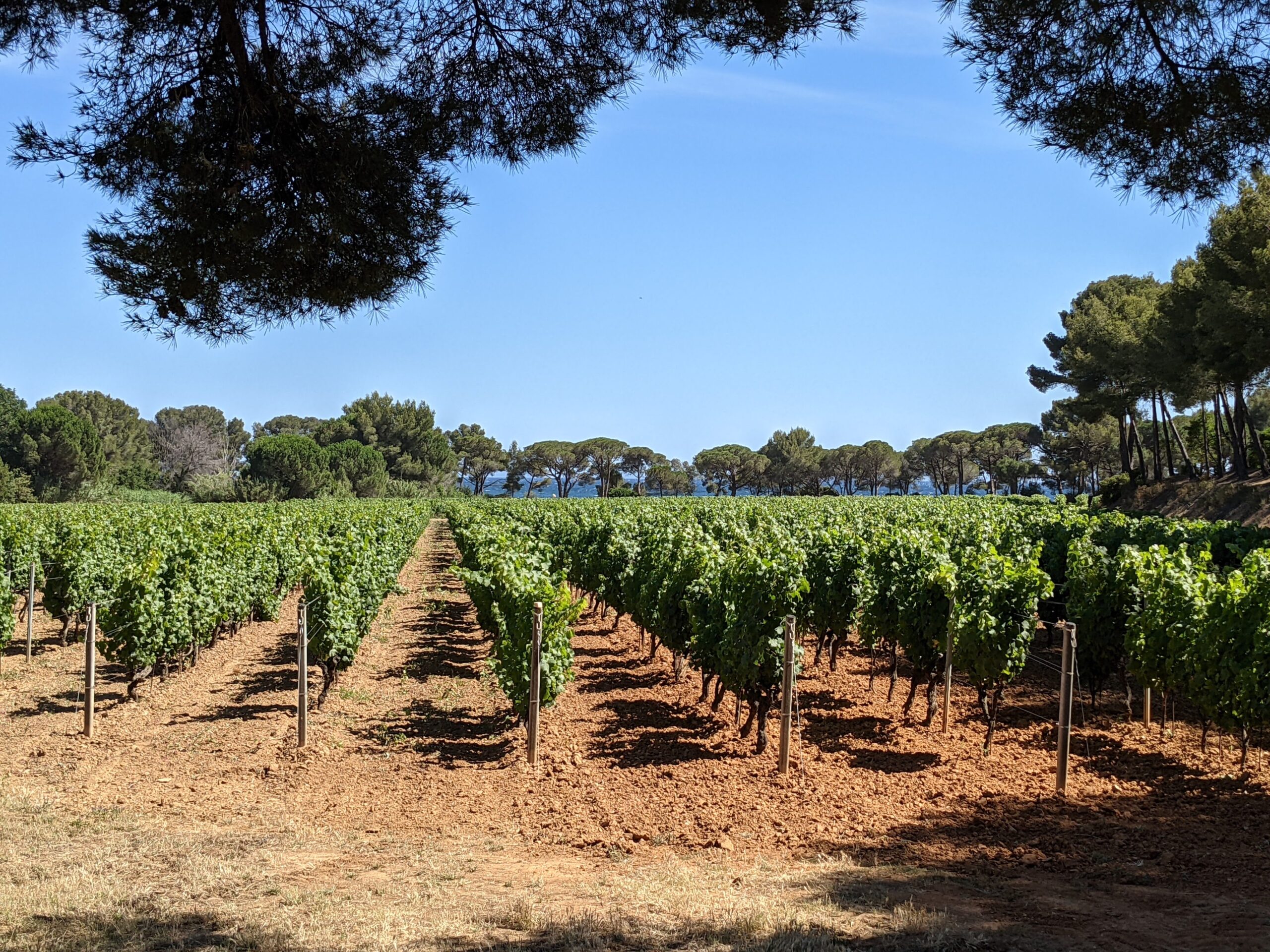
Recommended
- RecommendedChâteau La Coste Grand Vin (Rosé) 2024
Salmon pink, very pale shell. Very restrained aromas with a hint of reduction, some Syrah spice and a touch of blue fruit. Lovely weight and concentration of slightly saline ripe strawberries and some rich dark fruit. A hint of leesy toasty notes, long fine, slightly pithy acidity and long dark minerality. Structured, mineral, saline, slightly foursquare and blunt structure. It has nice depth and a hint more complexity than typical of many similar rosés. Balanced, concentrated and rather lovely, though the finish is a bit blunt; it is intense but lacks that extra step of charm, pizzazz, or perhaps a slightly lengthier finish. Maybe better with food - a little too dark and structured for easy drinking, but definitely a step up in terms of intensity.
- RecommendedChâteau Val Joanis Les Griottes (Red) 2023
Dark black purple. Muted, deep plum aromas that are quite ripe, slightly reductive and slightly cooked. Dark velvet, blue minerality and crunchy texture, there is supple blue-black fruit, juicy red berries, and some taut hedgerow fruit on the palate. The tannins are dark, a little plummy, very ripe and a little opulent, showing some serious alcohol that is well-covered by the fruit. A nice, big, bold, solar wine that does not shy away from intensity. Suave, beautifully supple and velvety, though it perhaps falls a touch short of greatness due to a slightly blunt, spirity finish.
- RecommendedMas Sainte Berthe La Chapelle (Red) 2021
Mahogany red, semi-opaque garnet. Soft sweet oaky ripeness on the nose. Lush, sweet ripeness with a more international, fruit-forward cassis and blackberry style, alongside lots of deep, dark blue fruit. The rich, dark, ripe and slightly opaque black Mourvèdre fruit continues on the palate, with ripe tannins, very full-bodied depth and a subtle nod to Parker in terms of ripeness. Tannins are velvety and exceptionally well-integrated, though still firm and drying. Fresh pithy acidity, a touch of black pepper and lots of blackcurrants. More of a ripe, fruit-forward style that is exceptionally ripe, generous and very drinkable, not really showing its age other than in colour. Solar, charming, but somewhat international.
- RecommendedClos de Caille Clos de Caille (Rosé) 2025
Very pale shell. Restrained on the nose. On the palate, the acidity is softened and silkier than many Provence rosés, lending this a very generous charm and intensity. Textural and ripe rather than zippy and fresh, showing a lovely elegance and patience. It is pretty, silky, and floral, grounded by a little hefty oak influence, making it perfectly balanced, calm, and devilishly pretty. Very classy, and unquestionably transports the drinker to a café by the sea, or maybe under the dappled shade of the plane trees.
- RecommendedDomaine de Tara Terre d’Ocres (White) 2024
Pale lemon. A hint of lees, lavender honey, very neutral nose and subtle floral notes. Opens up on the palate to show pretty vibrant zestiness, white fruit, stone fruit and white lemon pith. Pretty phenolic grip and an elegant lacy bitter almond finish with a touch of lavender minerality. Fresh, not complex, yet multi-layered. Very pretty, elegant and beautifully refreshing without being watery.
- RecommendedBastide de Fave Réserve du Prieuré (White) 2023
Lemon yellow, very pale yellow. Oak salinity on the nose with very struck match, reductive gunflint that opens up a bit in the glass. Simple fruit - white lemon, almost green mineral acidity. It is taking itself very, very seriously and not quite delivering on the palate. The fruit is tightly restrained by quite austere tight oak, which gives austere structure and intensity. Concentrated weight but structural and textural rather than fruity. Nice weight and fruit, but the acidity is zippy and peppery, with reduction in the foreground stealing the show. Difficult but not unattractive. The finish is silky with a hint of astringency adding depth and charm.
- RecommendedMira Luna Mira Luna Red Syrah – Cuvée amphore (Red) 2024
Mid depth. Some attractive Christmas spice on the nose and a hint of blue flowers, alongside struck match. On the palate, some fine Syrah fruit, salted plums, incense and fresh vibrant fruit. Fine grained tannins and long blue minerality. Elegant, mineral and vibrant. Not a powerful wine, leaning more on elegant delicacy and long finesse. Very refreshing and incredibly Syrah-driven.
- RecommendedAymard Les Grappes (Red) 2023
Mostly translucent, with light ruby edges. Very light ruby red, carbonic maceration style. Fresh, fruity, vibrant, juicy wild bramble fruit on the nose. Slightly saline, some strawberries, some black pepper. Incredibly juicy on the palate with vibrant red fruit, soft supple tannins and punchy fresh acidity. Summer red wine. Not complex but very pleasant, very southern. Alcohol maybe a touch evident.
- RecommendedVignerons de Grimaud Les Aumarets (Rosé) 2025
Very pale shell. Hints of strawberries, ripe raspberries and pear drops on the nose against a backdrop of rose garden florals. A simple, technical style, but very pretty, summery and perfect for a summer garden party. Silky acidity, no rough edges. Nice acidity, and ends on a really pretty and remarkably harmonious saline note. I would have loved to see a bit more concentration and intensity - but this is incredibly delicate, elegant, verging on ethereal. Crisp, lacy, lightly fruity. Classy wine. I just wish it went one step further.
- RecommendedChâteau Maravenne Grande Reserve (White) 2025
Very pale lime yellow. Restrained on the nose with soft, pretty lemon aromas, a touch of citrus blossom, crunchy green apples, and slightly leafy herbal notes. On the palate, almost sweet ripe pears and pineapple meet a fresh, elegant, mineral, and electric profile. Crunchy and zippy with lovely precision. It is simple but fresh and pretty, certainly a wine for those looking for minerality and freshness first and foremost. Very well-made, very crisp, very lovely.
- RecommendedLe Grand Cros Esprit de Provence (White) 2024
Very pale light green. Crisp grassy greengages and a touch of white citrus. Zesty, fruity, crunchy, summery and charming. Pretty, refreshing and utterly unpretentious. Silky texture with a really saline hit on the finish. Zesty, crunchy, full of Rolle fruitiness and charm.
- RecommendedMira Luna Mira Luna Rosé (Rosé) 2025
Pale salmon pink to very pale coral. Very pretty white flowers, red berries and a hint of ripe red berries on the nose with just a subtle whisper of non-reductive depth. Tight youthful crunchiness with some fresh pithy acidity on the palate. There is some spice, black fruit, bucketloads of acidity and some sour, pippy redcurrants. Lots of fruit, lovely intensity and some very real intensity on the mid-palate. Very cool climate in style with some dark blue minerality. Seriously pretty and elegant while managing to cram some rather delicious fruit in.
- RecommendedChâteau de Beaupré Collection du Château (White) 2025
Very, very pale lime white. Very restrained on the nose, showing a slightly reductive grassy profile with thiols and a very evident soft Sauvignon Blanc gooseberry fruit character. On the palate, a beautiful soft ripeness meets zesty melon, yellow peach, and exotic fruit sweetness. It is crunchy, grassy, and citrussy, driven by zippy, chalky acidity. A highly commendable summer white that will appeal to anyone who thinks Provence should be mineral and fresh. Really delicious, fresh, and fruity.
- RecommendedSylvain Morey La Bastide du Claux L’Odalisque (White) 2022
Pale lemon to very pale gold. Very honeyed on the nose with a hint of struck match, oak and pretty tropical yellow flowers. Crisp white fruit, some white flowers and pretty bruised yellow fruit on the palate. Oaky, rich and supple with some lovely saline minerality, vibrant white peach and long lime acidity. Gentle tannins on the finish.
- RecommendedTurenne Pif Paf (Red) NV
Light to mid-depth cherry red with remarkably ruby edges. Energetic, crisp and electric on the nose with zippy youthful black fruit and spicy sour cherry that is almost Kadarka-like. The palate offers pretty spice and fresh red fruit with a slight spritziness. Tannins are velvety yet youthful, showcasing an almost Burgundian wildness and confidence. It is a crisp, electric summer red ("blouge") with brilliant sour cherry acidity, perfectly suited for immediate enjoyment. Not a wine for long-ageing.
- RecommendedDomaine Le Loup Bleu Croix du Sud (Rosé) 2025
Very pale shell. Tropical flowers and grapefruit on the nose with crunchy thiols that are very well-integrated and remarkably well-balanced. Pretty ripe fruit on the palate, slightly grassy but backed up by very vibrant white grapefruit. High acidity, chalky minerality and vibrant, with a very saline finish. An exceptionally pretty example of a crisp, grapefruity, zesty rosé. The label's "rosé structuré et généreux" is downright unhelpful - this is zesty, concentrated and grapefruity, not structured. It is not at all a style I appreciate, but for a lover of exceptionally high acidity, grapefruity rosé, it is exceptionally well-made.
- RecommendedChâteau de Clapier Château de Clapier Vibrato (White) 2025
Pale lemon to very pale gold. Delicate sweet white lemon, slightly smoky notes and bruised orchard fruit on the nose. Pretty, simple and fresh on the palate with white floral delicacy, crunchy stone fruit and vibrant acidity. Generous and straightforward, revealing lovely weight and intensity backed by a hint of white pepper and sandalwood. Behind all of the prettiness, there are some firm, dry phenolics on the gently saline finish.
- RecommendedAlain Baccino et Filles Domaine des Peircèdes Ruisseau des Crapauds (Red) 2016
Dark purple fruit, opaque garnet. Sweet black fruit smoky aromas, pretty pot pourri, brambles, hedgerow fruit and floral notes. Quite closed black fruit on the nose. Quite extracted sweet black fruit on the palate, a little medicinal and lacking mid-palate definition. Dark, inky, incredibly moody and taciturn. Disciplined and tight, but with a generous side. Tannins are firm, chalky and extracted, but still very ripe, enveloped by ripe alcohol. An absolute bruiser of a wine.
- RecommendedLes Chais du Sud Villa Moncigale Cicada Olympe (Rosé) 2025
Very pale shell. Restrained on the nose, hints of blossom. On the palate, very pretty red fruit, exceptionally crunchy wild strawberries. A hint of minerality and inky spice towards the finish. Remarkably full-bodied on the finish given the freshness and elegance on the nose and at first. Pretty, elegant, pleasantly fruity and with some seriously nice depth. Easy-drinking, refreshing, rather fun. Lots of acidity without feeling austere or lean.
- RecommendedDomaine des Peyre Gusto (White) 2024
Pale gold. The aromatics are scented and floral, offering notes of jasmine, perfumed lemons and a hint of tropical fruit. On the palate, the wine is elegant and mineral, showing a lovely concentration of white peach and green apples with a Granny Smith zinginess. While not overly complex, it manages to be both concentrated and silky with a beautifully crisp finish. Bursting with fruit and floral charm, this is a very pretty wine.
- RecommendedDomaine Childéric Pas Fénaiants (Red) 2021
Semi-opaque. Black velvet blue fruit. Slightly restrained at first, this opens up to some rather lovely dark cherries, brambles, hedgerow fruit and a generous portion of juicy red berries. Big, bold new world richness showing bold southern ripe fruit in its ultimate expression, supported by acidity and ripe tannins. Very rich, very sweet, opulent and rather decadent. Just a bit too jammy to be able to recommend the bottle, lacking finesse.
- RecommendedChâteau Maravenne Collection Privée (White) 2025
Pale lime yellow. Crisp, slightly unripe orchard fruit, white grapefruit and slightly one-dimensional thiol citrus notes on the nose, complemented by anise flowers, garrigue and wild fennel. On the palate, a surprising and lovely ripeness contrasts the nose, featuring pretty, gravelly, textural phenolics and a hint of spice (white pepper, perhaps nutmeg). Crunchy, elegant, youthful and easy-drinking, ending on almond blossom and green apples.
- RecommendedDomaine Tempier Bandol (Rosé) 2024
Pretty honeyed red fruit aromas, a year of age avoiding youthful reductive notes. On the palate, it's simple, fresh strawberry fruit and lightly citrus acidity while some delicate tannic flair, typical of hotter summers, gives structure.
- RecommendedDomaine de Mas Caron Garance Vieilles Vignes (Red) 2023
Semi-opaque. Dark purple. Opulent, jammy red berry fruit, raspberry jam, a hint of mixed fruit-of-the-forest and rich blueberry fruit. Soft, supple and dark inky blueberries. Incredibly juicy, fruity and accessible. Crisp, pretty tannins, juicy acidity. A little pippy and rough on the finish. Very youthful, fun, crisp and exciting without the moderation of age. A little one-dimensional but a very charming, unpretentious and gluggable red.
- RecommendedChâteau Minuty Prestige (Rosé) 2025
Very pale shell. Restrained on the nose with crisp white citrus notes, orchard fruit, a tiny hint of green apples, and some nashi pears. The palate shows lovely vibrancy. Remarkably lacy at first, the acidity opens up like a spring rose garden, revealing lightly floral notes, rosewater, and a driven, electrically acidic profile. Refreshing, delicate, and really charming.
- RecommendedCellier Lou Bassaquet Sainte-Victoire (Rosé) 2025
Very pale shell pink. More pronounced aromatics and definitely already a step up in intensity compared to the Rascailles. On the palate, some linear minerality, tight red and black fruit, and a hint of blue flowers finishing with a slight black fruit bite and long fresh acidity. A tightly coiled, concentrated expression of Sainte Victoire minerality.
- RecommendedDomaine Saint-Jean de Villecroze Selladore Red (Red) 2024
Light to mid-depth, semi-translucent ruby. Lots of fruit on the nose: blackberries, crunchy cranberries, raspberries and wild strawberries. On the palate, zippy acidity ties in beautifully with the fruitiness, balanced by juicy, slightly sharp macerated tannins. Elegant, pretty and fruit-driven. A fun, easy-drinking and great crunchy red - what's not to love?
- RecommendedLes Béates Béatines Rouge (Red) 2023
Mid depth ruby red. Christmas spice and blue flowers aromas. Fresh, light blue juicy fruit on the palate, which is slightly jammy despite tannins that are firm, lightly chalky and gently gravelly. Smooth, supple and very easy drinking. A pretty, elegant example of Provençal sunshine in a glass, with all of the ease and silky freshness that has made rosé popular. It lacks the concentration and complexity for a wine that will age, but it is fresh, simple, really good value, charming and well-made.
- RecommendedChâteau de Mille Les Clefs de Mille (Red) 2025
Semi-opaque ruby. Sweet jammy fruit, the carbonic maceration (from the Cinsault), with fresh bubbly red fruit, dominating the youthful berries and wild bramble zestiness of the majority Syrah. Vibrant acidity and crunchy tannins on a crisp, modern and zippy palate. An elegant summer red without the usual heavy-handed Provençal accent. Full of fruit and really showcasing its old vine Carignan ruggedness on the finish.
- RecommendedChâteau Henri Bonnaud Sainte-Victoire (Rosé) 2025
Very, very pale shell. Perfumed and floral with very ripe orchard fruit and blossom. Nice concentration on the palate with lots of black, inky fruit and a wonderful dark minerality. Concentrated, exciting, charming and very suave; blackberries and fresh raspberries make this very classy and utterly worthy of the Cru Sainte-Victoire label.
- RecommendedChâteau Unang Ventoux (Red) 2022
Semi-opaque. Subtle leather on the nose, some beeswax, evocative Syrah butcher shop, herbal, menthol, some blackberries and black winegums. Fresh blue floral zesty fruit. Quite fresh, drying tannins. Very pretty, elegant and zesty with pretty blood orange citrus freshness. The finish is a little abrupt and slightly underwhelming in terms of complexity, seeming young and simpler. Alcohol is a little evident.
- RecommendedChâteau Coussin Château Coussin Côtes de Provence (White) 2025
Pale lemon white to pale lime yellow. Prettily perfumed white florals on the nose that continue onto the palate. Very crisp and citrussy with long, fresh, saline mineral acidity. Delicate but heavily perfumed, offering a slightly pithy, hard texture that feels like a limestone cliff face. It is currently too youthful and needs time to soften. Phenolic with a chalky, crisp finish.
- RecommendedChâteau la Sable Luberon (White) 2025
Pale water lemon with green lights. Delicate white flowers and almonds on the nose, alongside crisp pears, green apples, crunchy nashi pears, and a hint of slightly leafy, perfumed limes. On the palate, austere minerality meets a crisp, crunchy, and clean profile. Zesty, mineral, driven, elegant, and very straightforward. The wine finishes with a slightly crisp and drying texture. Definitely a white for lovers of classic Provence rosé.
- RecommendedEau de Provence Côtes de Provence (Rosé) 2025
Pale salmon pink. Strawberries and cream on the nose, with a touch of amylic notes. On the palate there is a nice richness and concentration, intense strawberries, with a firm black inky minerality on the mid-palate that contrasts splendidly with the soft approachability on the nose. A tiny hint of spritz lifts the minerality a step further on the finish. Gutsy and full of personality with lovely weight and plenty of fruit. Delicious summer rosé.
- RecommendedClos de Caille Clos de Caille (White) 2025
Pale lemon to very pale gold. Peach blossom on the nose with perfumed, scented peach, crunchy green apples, pears, and white peaches. A hint of white pepper adds nuance. The palate is dry with crisp, chalky acidity that is crunchy and vibrant. Beautifully pretty, delicate, concentrated, and beautifully perfumed. High alcohol is slightly unnerving, but it remains a very elegant white without the need for oak. Provence white for a rosé lover.
- RecommendedChâteau de Pibarnon Epidaure (Red) 2020
Mahogany red to semi-opaque ruby with garnet edges. Reserved and taciturn at first, showing clear tertiary development and mellowed fruit. The palate opens up to reveal textured tannins, cocoa powder, beautifully precise blackberries and a powerful floral charm reminiscent of rosewater. Elegant, mature and classy, it presents a profile that whispers rather than shouts - but definitely a wine for lovers of slightly more classical, evolved, mature Bandol.
- RecommendedTerra Ventoux Les 5 Terroirs (Red) 2022
Semi-opaque with slightly garnet edges. Candied incense. Pretty red fruit, raspberry jam, rosewater. The fruit is a touch too sweet and cloying, removing the lovely mouthwatering freshness of the acidity and making it a little too commercial. Crunchy, with invisible, lightly sandy tannins. Elegant, delicate, remarkably refreshing despite the ripeness and intensity. Slightly saline with lots of red berries and a touch of beeswax. Beautifully complex despite that freshness and elegance. Lasting finish.
- RecommendedCave du Luc Lussi Baleti (Rosé) 2025
Very pale shell with subtle coral hints. Beautifully floral on the nose with perfumed Sorrento lemons, orange blossom and blood orange. Mineral-driven and beautifully poised on the palate with almost electric acidity; vibrant, crunchy and crystalline. Lovely red citrus and red apples lead to a zippy finish, where a slightly bitter salinity adds depth and charm. Really delicious and charming. Drink 2026–2027.
- RecommendedDomaine de la Brillane La Grande Etoile (Red) 2018
Mid depth garnet. Bruised strawberries, blue plums and light inky notes on the nose, alongside pretty liquorice, sweet dill, leafy notes and slightly spiced florals. Soft, supple blue fruit and pretty black cherries on the palate. Ripe, with supple, traditional tannins and texture without feeling over the top. Elegant, full of garrigue and olde-worlde charm, with beautiful freshness. While some might find it a touch lacking in deep complexity, it is pretty, classy and a great introduction to Provence.
- RecommendedDomaine de Tamary Les Terrasses (Rosé) 2025
Restrained, slightly saline on the nose. Crisp stone fruit, quite a lot of wild strawberries. Despite the restraint, there is rather a lot of pretty fruit on the palate, progressing from floral, lacy white citrus to riper, softer peach and stone fruit, and ending on some blackcurrants and hints of Syrah spice. Lovely balance, really charming, and fruit that is quite a bit riper than expected given the restrained salinity that it presents at first. A charming springtime rosé.
- RecommendedChâteau d’Estoublon Les Baux-De-Provence (Rosé) 2025
Pale shell. Restrained on the nose with some ripe red fruit, crunchy red berries and a touch of stone fruit. An utterly benchmark Provence rosé with lovely chalkiness on the finish, plenty of fruit, zippy red berries and just a touch of pink grapefruit. Perhaps shows a little more chalky minerality and texture than typical for the style, but remains a true classic done exceptionally well.
- RecommendedDomaine de la Croix Irresistible (Rosé) 2025
Very pale shell pink. An energetic, "solar" nose of ripe red berries, peach, and pink grapefruit. The palate is concentrated and bright, showing a lovely balance of ripe white peach and zesty citrus. There is a slight, refreshing spritz that complements the juicy, wild red berry acidity and the whisper of rich fruit sweetness. The finish is tight and serious, marked by a fine blue mineral length and a touch of firm phenolics. Classic Provence; utterly thirst-quenching, energetic, and perfectly balanced between ripe fruit and structural weight.
- RecommendedChâteau de Beaupré Le Château (Rosé) 2025
Pale shell to salmon pink. Slightly coconut and garrigue aromas on the nose. The palate is very phenolic and structured, supported by pithy, fresh and vibrant acidity. While there is very little red fruit up front, it reveals some concentrated red fruit weight on the mid-palate. Crisp, mineral and decidedly restrained, it is extremely lean and austere, drinking almost more like a structured white wine than a typical rosé.
- RecommendedTurenne Tekitisi (Orange) NV
Cloudy dark gold. Cloves and marmalade on the nose alongside bruised grapefruit. Unashamedly a skin contact wine with firm grippy tannins and pithy bitter orange freshness. On the palate, there is vibrant acidity, gentle tannins, crunchy structure and wonderfully charming floral fruit. Very clean and precise with that lovely sourness that makes skin contact wine so perfect for hot days or with food. It is zippy, exciting and exceptionally textural. Not for everyone, and mainstream wine lovers should probably stay clear, but I rather like the quirkiness of the extended skin contact. For a lover of natural wines, look absolutely no further.
- RecommendedCommanderie de Peyrassol Château Peyrassol (Red) 2022
Dark purple. Xmas spice on the nose. Quite jammy fruit with stewed plums, more Xmas spice, firm, grippy purple tannins, Some powdery tannic texture, and despite the big bold fruit some lively freshness and saline finish which balances the opulence. If there is oak, not obvious. A big but not a fine wine - good introduction to Provence red.
- RecommendedDomaine de la Martinelle Les Dentelles (Red) 2023
Almost translucent. Purple. Garrigue aromas. Lots of crunchy red berries, very mineral on the nose. Blueberry fruit. Creamy, sour cherries, silky tannins, crunchy and juicy. Unyielding, mineral, a little flat and very one-dimensional. Crunchy tannins, zippy acidity. Very berry-driven, fruit-forward, fresh and elegant. Very harmonious and vibrant with lots of silky cherries and brambles.
- RecommendedChâteau de Roquefort Les Mures (Red) 2022
Semi-opaque ruby. Bright fresh red berries, black fruit, sweet smokiness, hints of bright violets, and lots of struck match and leathery Syrah typicity. The palate offers black cocoa richness, vibrant crunchy fresh red fruit, slightly leafy garrigue, menthol, and wild fennel. A black inky core with high altitude freshness and crisp, taut acidity. The 15% ABV on the label is truly a shock, as it doesn't taste like it. A very modern, nice wine, though feeling slightly one-dimensional, where the slightly chalky tannins have dried it out somewhat on the finish. Price would be a consideration.
- RecommendedVignerons de Grimaud Les Aumarets (White) 2024
Creamy white colour and creamy white fruit aromas. On the palate this wine explodes to reveal some seriously vibrant citrus fruit and blue minerality freshness running through the length of this wine. Clean, tart wild berry fruit with youthful energy opens up to some pretty tropical white flowers, a hint of exotic fruit and tropical ripeness. Very crisp and elegant with exotic ripeness, fresh, driven, minerality ending with some rather lovely saline crisp white citrussy notes. A wine to enjoy now but also keen to see how this will continue to develop with age.
- RecommendedChâteau Carpe Diem Artus (White) 2024
A slightly unusual blend of equal parts Clairette, Grenache Blanc and Rolle. Very pale lemon yellow. Restrained on the nose with a hint of wild meadow flowers and slightly herbal, perfumed garrigue. Crisp, linear, elegant and very refreshing on the palate. Juicy white grapefruit and pretty acidity perfectly complement the floral charm. Ends on a hint of creamy lees that balances the freshness. Elegant and approachable now, but it benefits from decanting to let the linear elegance soften; in a couple of years, this will likely open up beautifully and command a considerably higher score.
- RecommendedDomaine la Suffrène Cuvée Tradition (White) 2025
Pale lime yellow. Restrained on the nose with crisp menthol and leafy citrus. The palate offers weighty ripeness and some fat oiliness on the mid-palate, softened by hints of almond blossom, bitter almonds, and a gentle berry sourness. It focuses on texture and lacks a bit of varietal fruit, supported by dry chalky acidity. Nice concentration, very zippy, and extremely easy to finish the glass. A summery crowd-pleaser that reflects Suffrène's philosophy that a southern white should be first and foremost utterly refreshing, linear and mineral.
- RecommendedChâteau Gassier Gassier (White) 2025
Very pale lime yellow. Pretty lime fruit and lots of orange blossom on the nose. A rather lovely, silky texture carries beautiful concentration and genuinely ripe fruit, leading to a charming, fresh and chalky minerality on the finish. Elegant, zesty, driven and crunchy. Lovely acidity and silky texture, made in a style that successfully prioritizes citrus freshness and prettiness over weight.
- RecommendedDomaine des Hauts Traversiers L’Espuol (White) 2022
Pale lemon yellow. Very aromatic and perfumed on the nose with slightly floral, herbal garrigue notes, saline freshness and a very dark minerality. The palate shows some nice elegant freshness, vibrant yellow stone fruit, fresh apricots and a tiny hint of lees and creaminess. Good length, but it is a little blunt on the mid-palate with lots of glycerol and round, ripe, opulent stone fruit that feels slightly at odds with the saline freshness of the nose. Its main charm is the intriguing aromatics at the beginning, showing typical ripeness but feeling a little disjointed and simple.
- RecommendedChâteau d’Astros Amour (White) 2025
Very pale gold. Slightly reductive white stone fruit on the nose. Pretty white orchard blossom. Vibrant and mineral on the palate, with lots of spritz lifting it up. Mineral, very ripe and nice concentration. Feels overly youthful - the fruit is concentrated, intense and decadent, but straining against winemaking that is trying to make it exclusively fresh and crunchy. Lovely intensity, beautiful green apple crunchiness, classy and serious despite its lightheartedness and approachability. Crunchy, intense, fruit-driven, well-balanced and with great potential.
- RecommendedChâteau Fontvert Apolline (Rosé) 2024
Pale salmon pink. Soft ripe red fruit on the nose. Quite joyous and cheerful on the palate with slightly jammy raspberry fruit, red berries and a hint of tannin. Quite grippy and full bodied with nice intensity, concentration and good ripeness. The beginnings of some complexity emerge as this opens up to honey, more jammy raspberries, a hint of dark hedgerow fruit and some garrigue. Acidity is there to balance but is not aggressively long. Pretty fruit, mineral and fresh, balanced and intriguing. Has a cool minerality that somehow seems at odds with its ripeness and Provence fullness, but I am finding that intriguing and empowering. Some saignée influence perhaps.
- RecommendedMas des Infermieres Chevalier (Rosé) 2025
Bright salmon pink. Restrained on the nose initially, offering pithy apple and strawberry fruit aromas. Opens up on the palate to incredibly vibrant strawberries, blueberries and red fruit. It sits on the more ethereal, crunchy end of the spectrum but features a firm, dark mineral structure and structural grip that stands out from riper, silkier rosés. Delicate red berry acidity makes it exceptionally mouthwatering and refreshing. Classy, gutsy, fun and perfectly suited to a hot summer's afternoon.
- RecommendedChâteau Barbebelle Madeleine (Rosé) 2025
Pale shell. Pretty peachy stone fruit on the nose, a hint of wild berries - remarkably fruit driven. Pretty citrussy notes and a fresh, zesty citrussy acidity on the palate. Perhaps half a gram of sugar, or just very ripe fruit - lovely ripeness, good alcohol, easy-drinking, pretty, fruity and remarkably fun. Rather lovely and pretty fruit-driven rosé.
- RecommendedChâteau Minuty Prestige (Red) 2024
Moderate ruby red. Lots of gunflint and leather on the nose. Very Syrah-driven on the palate with vibrant berry fruit, lots of bold black fruit, and remarkably menthol salinity. It features lots of ripe alcohol and exceptionally crunchy tannins alongside hints of liquorice. Pretty, fruity, and rather yummy. The wine is a little short and pithy on the finish, but otherwise, it is a remarkably modern, approachable Provence red at a thoroughly reasonable price.
- RecommendedMas de Cadenet – Famille Négrel Côtes de Provence (Red) 2022
Mid dark semi-opaque ruby. Sweet, ripe butter blue fruit and pretty red fruit aromas. On the palate, dark blue-purple fruit alongside lots of crunchy red and black fruit. Opulent and supple, with silky, fine-textured blue mineral tannins, pretty inky leathery notes and hints of incense. The main thing reducing the charm of this wine is some blunt chalky acidity. Fresh and elegant with good potential, ending with charming minerality, though perhaps lacking a bit of complexity and depth.
- RecommendedChâteau les Mesclances Saint Honorat (Rosé) 2025
Very pale shell. Soft, slightly smoky peaches and stone fruit on the nose with a tiny hint of tropical flowers. The palate features pretty ripe red fruit and red currants. Remarkably full-bodied and serious, backed by vibrant, juicy acidity and a gravelly, chalky minerality. Phenolic weight on the finish really takes this a step further than just fresh-and-fruity. Rather moreish and serious.
- RecommendedHostellerie des Vins de Rognes Pierre De Taille (White) 2025
Crisp and restrained on the nose with very pretty white floral aromas. The palate offers crunchy white fruit that is fresh, vibrant, simple, but clean and balanced. Crisp, zesty, and so disciplined it feels like a sharper version of a Pinot Grigio. Shows the strength of even a small drop of Sauvignon Blanc in Coteaux d'Aix. Stunning value for money, crisp, summery, and international.
- RecommendedDomaine de Rimauresq Cuvée Rebelle Cru Classé (Rosé) 2024
Pale coral pink. Lots of red fruit on the nose. Sharp wild red berry acidity, this is a full bodied rosé with rugged, textural, gravelly dark inky black fruit. Reminiscent of a full bodied Tavel, trying to balance that fruit with acidity and elegance, but held back by an unwillingness to embrace the tannin or colour that this style of darker, weightier rosé demands. Needs a few years to round out. Definitely made with a glance at the past, but with more than a little suspicion. Serve at room temperature.
- RecommendedChâteau du Rouët Villa Estérelle (Rosé) 2025
Very pale shell. Rather lovely stone fruit on the nose, offering apricot jam, perfumed pêche de vigne, and a hint of rosewater. Beautiful richness on the palate with charmingly ripe fruit and a wonderful pink grapefruit citrussiness. Sour white peaches, phenolic pithy acidity, and Frejus minerality provide tension. Concentrated, crisp, zesty, and slightly saline on the finish. It is remarkably pretty and stands out in a selection of similar rosés for just how charmingly fruit-driven and confident this is.
- RecommendedMaîtres Vignerons de la Presqu’île de Saint-Tropez Saint Roch les Vignes (Rosé) 2025
Very pale copper-pink shell. Very delicate floral peach aromas with beautifully ripe red fruit. Very classic, fresh, and delicate on the palate with crunchy peachy fruit. Crisp, ripe, elegant, and really delightful with lacy, fresh acidity. Neutral but a step up from many of the dilute rosés of this vintage. Drunk ice cold in summer, this could sip down easily and almost invisibly. An elegant, fruity crowd-pleaser with nothing bad to say about it. A nice version of this style.
- RecommendedChâteau de Sannes Castini (Red) 2022
Darker red to semi-opaque ruby. A lot of floral notes, pot pourri, incense, eucalyptus and lovely toasty character from the oak on the nose. The palate shows some texture from the amphora alongside soft ripe fruit and long saline mineral acidity. Overall this is big, bold and slightly soft with blue black fruit. Tannins are soft and a little figgy, dried out on the finish, while acidity is there but very much an afterthought. Lots of concentration and intensity. Big, figgy, not quite modern but certainly easy-drinking, solar, ripe and rounded. A nice wine, but the whites and rosés are far more premium. Lovely soft supple ripeness, though it could maybe be bolder on tannic extraction.
- RecommendedDomaine Perréal Ventoux (White) 2024
Pale lemon-lime yellow. Slightly creamy, beeswaxy oak and waxy, honeyed melon aromas on the nose. Ripe orchard fruit, very nutty and full of hazelnut depth. Ripe fruit on the palate, a little heavy and honeyed with some vanillin and creamy, slightly lactic notes dominating. Phenolics and only moderate acidity make it a little short on the finish, lacking vibrancy and tension, though there is a lovely juxtaposition of softness and rigour provided by zazzy and remarkably angular acidity. Not afraid of concentration and weight. Pretty floral notes on the finish. Crisp, elegant, and has serious potential to open up in the next couple of years.
- RecommendedChâteau de Berne L’Enclos (Rosé) 2023
Bright copper pink. Ripe quince fruit on the nose with generous winter citrussy fruit, a hint of marmalade, and soft lees. Rich, opulent, and gently oxidative. On the palate, there is some quince, saltiness, and long fresh acidity, contrasting with remarkably elegant, mineral, linear, and crisp fruit. Pretty chalky minerality on the finish with some white flowers. Underwhelming to my taste, but will please those looking for a classic rosé with a bit of tertiary on top.
- RecommendedChâteau Paquette Angélico (Rosé) 2025
Very pale coral. Some pretty red fruit and a healthy dose of stone fruit on the nose. The palate features intense wild red berry fruit, firm minerality indicative of volcanic soil, pretty orchard floral notes, and a hint of white pepper. A pretty silky texture and gentle acidity lead to some rosewater and a slightly inky saline finish. Quite tight and austere, needing a bit of time to open up, which is typical of Fréjus. Very pretty and elegant!
- RecommendedChâteau Saint-Roux Pigeonnier (White) 2024
Creamy gold. Restrained aromas of almond blossom and soft apples. Fruit is nutty, with beautiful concentration on the palate. Ripe, silky, and concentrated white fruit with nutty, gently tannic oaky notes on the finish. Potential with rich concentrated fruit and slightly pithy acidity. Ripe and concentrated, silky and a cut above fresh-and-zesty.
- RecommendedDomaine de la Martinelle Ventoux (Red) 2023
Semi-translucent, almost garnet red. Ruby red. Pretty leathery and bramble notes on the nose. A hint of spice. Remarkably fresh on the palate, with very fruit-forward red juicy berries, inky blue minerality, very vibrant wild raspberry fruit, mouthwatering acidity and firm tannins. Tannins are quite drying, chalky. Ripeness and subtly sweet alcohol on the finish seem a little too evident. A lot of everything but pulling together harmoniously making for a concentrated modern fruity red. So focused on backbone, structure, and above all freshness that it requires concentration to really enjoy.
- RecommendedDomaine Dalmeran Château (Rosé) 2024
Medium salmon pink. Delicate, soft red fruit on the nose with slightly jammy red berries, a whisper of thiols, tangerines, and perfumed citrus. On the palate, the fruit is ripe, round, and full-bodied, showing a hint of creaminess towards the mid-palate. Zesty and fruit-driven with green thiols and a lovely silky finish, carrying a seriously intense weight. Ticks many boxes as a fabulously approachable summer wine, though it needs a bit more complexity, depth, and slightly more long-lasting aromatics to be classified as a fine rosé.
- RecommendedBastide de Fave Réserve du Prieuré (Rosé) 2023
Light copper-pink. Ripe weight, salted peaches, raw nuts, remarkably concentrated but still fresh and elegant. The palate shows powerful coconutty oak, a hint of tropical spice, and walnuts. Balanced acidity and dry, elegant phenolics on the finish. It is more of a white wine, and a slightly entry-level crisp-and-oaky at that. No red fruit, which raises the question of whether that is an essential for a rosé, but this could be a white wine.
- RecommendedDomaine Perréal Le Jas (Rosé) 2023
Very pale shell pink. Soft dried peach and orchard fruit aromas. On the palate the fruit is ripe and weighty with sweet white peaches, apricots, quince, pears, slightly bruised apples and sweet honeyed apple blossom. Slightly floral and lacy. Crisp and surprisingly zippy with fresh, zesty, elegance, despite the somewhat evident alcohol. Slightly smoky, salty marble minerality on the finish gives another dimension. Fab summer rosé with a bit more depth. A lovely lusciousness which makes this a charming wine.
- RecommendedDomaine de la Croix Le Cap (Rosé) NV
Pale salmon pink with golden reflections. An evolved, savory nose featuring leesy, smoky aromas, toasted notes, and grilled apricots. The palate is weighty and serious, showing significant intensity with dried white peach and zesty candied lemon acidity. It possesses a firm structure and a fine dark mineral phenolic grip that provides a mouthwatering, persistent finish. A totally different style to the fresh summer wines; a serious rosé with the kind of intensity that can stare an ice cube in the eyes and live to tell the tale.
- RecommendedDomaine de Rimauresq Côtes de Provence Cru Classé (Rosé) 2025
Very pale, shell peach white. Slightly restrained at first, this opens up to gradually some restrained red berries and a whisper of garrigue on the nose. Very light, delicate white peach and some raw nuts on the palate. Intense, chalky, grippy and textural, especially on the mid-palate. Crisp, refreshing - very minimalist, taking a delicate, lace-like approach to fruit, prioritising texture and confident elegance. Definitely a wine for lovers of crisp, fresh wines who want something with a whisper of red fruit, some soft peachiness and a soupcon of lavender fields. Classic Provence rosé and incredibly easy to drink.
- RecommendedChâteau Unang Ventoux (Rosé) 2024
Very pale salmon. Creamy on the nose with lots of strawberries, this opens up on the palate to crunchy red fruit, red berries, and a remarkable salinity. Beautifully balanced with a little dry phenolic grip, it shows real charm and personality with a pretty, lasting finish. Very classic.
- RecommendedDomaines Bunan Château la Rouvière Bandol (Rosé) 2025
Pale shell pink. A hint of citrus and some wild red berries on the nose, but not particularly perfumed. Bandol solidness, substantial red fruit and firm mineral tannins on the palate. More citrus on the palate, rounded and elegant. Pretty acidity that lends rather a lot of pretty floral laciness. Nice concentration without feeling heavy. Youthful and needs time to relax and integrate. Pretty and refreshing summer rosé with a serious mineral finish.
- RecommendedDomaine De La Portanière Pierrefeu (Rosé) 2025
Pale shell. Slightly restrained at first, opening up to exceptionally perfumed peaches and pêche de vigne. A hint of chalky, saline minerality grounds some barely-ripe raspberries and wild strawberries. Very classic, with a nice balance of freshness and concentrated fruit; exactly the sort of wine you dream of during an unbearable heatwave.
- RecommendedLe Grand Cros La Maîtresse (Sparkling rosé) NV
Subtle red fruit, ripe peaches, almond blossom. Pretty phenolics and minerality on the palate, subtle, gentle acidity and plentiful bitter almonds on the finish. Elegant, solar, summery.
- RecommendedChâteau Vignelaure Coteaux d’Aix-en-Provence (Red) 2020
Mid purple red, semi-opaque. Floral pot pourri, lots of blackcurrant, cassis, inky liquorice, spice and pretty, slightly sweet oak on the nose. Tight, youthful, chalky tannins and a blue mineral tightness on the palate. Beautiful fresh inkiness, lifted by leafy pencilly notes. Driven by fruit rather than texture, and while not immediately charming or oozing southern ripeness, this wine has intensity and weight. Youthful freshness with varietal charm, and the closed restraint of youth with a dry tannic finish. A nice wine, still driven by varietal charm rather than complexity and needs quite a bit longer in bottle.
- RecommendedDomaine Saint-Jean de Villecroze Selladore White (White) 2025
Very pale lemon-white. Beautiful perfume with Provençal flowers, herbs and a hint of exotic spice, perhaps sandalwood. Fresh white lemon citrus and long, clean, mineral acidity. Nice concentration. Fresh, vibrant and linear. A refreshing Picpoul or Muscadet rival that will go down an absolute treat at a summer party or by the glass at a village restaurant.
- RecommendedDomaine Gavoty Clarendon (Rosé) 2025
Pale salmon. Soft, freshly picked raspberries on the nose. Crunchy red fruit continues on the palate alongside a hint of red grapefruit. Lightly phenolic with nice depth and real gutsiness. A little longer skin maceration gives this real weight and plenty of red fruit. Crunchy, pretty and thoroughly enjoyable - has the fruit to hold up to a summery barbecue very comfortably.
- RecommendedChâteau de Mille Clefs de Mille (White) 2025
Very pale gold. Restrained on the nose with bruised red apples, a tiny hint of tropical fruit and lime drops. Lots of zesty acidity on the palate, slightly grassy, with a hint of spritz. Fresh, mineral and straightforward; an unwaveringly refreshing picnic wine. An absolute crowd-pleaser with lip-smacking acidity. Classic Provence Rolle.
- RecommendedChâteau de Beaupré Collection du Château (Red) 2023
Opaque ruby. Ripe, solar, muscular and generous black fruit on the nose. Whisper of reduction. A hint of cedar and tobacco that evolve towards slightly floral, perfumed leafy garrigue and eucalyptus on the palate. Tannins are firm, unyielding and rather drying. There is a tiny hint of freshness in the background, but it is overall classic, chewy, slightly dried out and unapologetically old-fashioned on the palate. Firm tannins, taciturn - a wine for those looking for gravitas and seriousness over zippiness and approachability.
- RecommendedCellier Lou Bassaquet Rascailles (Rosé) 2025
Pale shell water-pink. Very delicate, faintly amyl aromas. Fresh acidity - long and clean with very delicate strawberries, raspberries and a hint of pithy orchard fruit acidity. Very delicate, but offers enough fruit to lift it from being dilute, making it actually quite cheerful as a simple quaffing summer rosé. Probably great value for money.
- RecommendedDomaine Saint-Jean de Villecroze Lunar (White) 2025
Pale lime yellow. Clean, crisp and electric. Vibrant citrus notes with a hint of almond blossom. A hint of lees on the mid-palate adds rather lovely weight. A tiny hint of residual sugar balances the otherwise very zesty acidity. A genuinely charming, thirst-quenching and perfect party wine.
- RecommendedChâteau de Clapier Domaine de Clapier (Rosé) 2025
Very pale shell. Restrained on the nose with slightly bruised blueberries, wildly rugged raspberries and a pretty blue minerality. Vibrant and crisp on the palate; nice acidity is softened by charming violets and blue flowers. Elegant, ending on a crisp saline note. Really delightful and fabulous value for money.
- RecommendedTriennes Saint Auguste (Red) 2022
Deep, mostly opaque dark purple-ruby. A restrained nose that hints at leather, garrigue, pot pourri and slightly dusty spiced red fruit. The palate is traditional, concentrated and very ripe, packed with blackcurrant. The fruit is currently quite closed and austere, structured by tight, serious and slightly dusty oaky tannins. A classic, traditional winter wine that will reward patience.
- RecommendedDomaine la Suffrène Cuvée Tradition (Rosé) 2025
Very pale shell pink with restrained aromas. On the palate some concentrated ripe redcurrants, crunchy red fruit acidity and fresh vibrant salinity. A little lighter on the upfront fruit than past vintages, but there is some hidden weight here balancing the phenolic structure. Very young, with a lot of power there that will emerge and fill out with time, but, as is so typical of Bandol rosé, its fruit and complexity remains hidden for the first year.
- RecommendedDomaine Dalmeran Bastide (White) 2025
Pale lime. Perfumed white lemons and a hint of oak on the nose. On the palate, the oak takes over with white chocolate and nutty vanilla. Lots of orange blossom alongside clean, crisp, elegant acidity. The citrus fruit, green apples and acidity are lovely, and the oak itself has a prettiness to it, but the elements feel disjointed and overly oaky at present, suggesting malolactic fermentation may not be entirely integrated. Needs a minimum of 2-3 years in bottle to relax and allow the fruit to support the oak, at which point it could be quite lovely.
- RecommendedChâteau de Berne Château de Berne (Rosé) 2025
Very pale salmon. Very neutral on the nose with a hint of pretty floral beeswax, tropical notes, apple blossom, zesty blood oranges and red apples. The palate is crisp and energetic with pretty red fruit and a firm minerality, but it ultimately has featherweight, neutral acidity. Rather lovely, but very light-framed. Perfect for drinking cold with ice cubes by the pool on a hot late August afternoon.
- RecommendedClos d’Alari Le Grand Rosé (Rosé) 2023
Intense copper pink. Soft, very ripe bruised peaches, butterscotch and a hint of lactic banana on the nose. On the palate, it is opulent and oak-driven, with very sweet oak and ripe tropical fruit. A softer, lower-acidity style with firm oaky tannins on the finish that sit slightly apart from the fruit. A bold, weighty rosé for those who prefer ripe opulence and oak over crisp definition.
- RecommendedChâteau de Brégançon Isaure (Rosé) 2025
Very pale coral. Restrained, with a touch of wild berries, pêche de vigne and a whisper of white grapefruit on the nose. Crisp and elegant on the palate, with lovely concentration and a silky texture that guides the wine through the mouth. Concentrated and remarkably serious. Lovely depth, with some slightly pithy phenolics on the finish. Glassy, mineral and elegant.
- RecommendedFondugues Pradugues Eau de Rosée (Rosé) 2025
Pale shell pink, very pale salmon. Delicate pink floral aromas and lots of red fruit. Crisp, crunchy red berries, a few blueberries and perfumed florals on the palate. Silky texture. Long, delicately lavender minerals and fresh acidity. This is a wine that will divide opinion; while some may find it simply pretty, delicate and summery, others may appreciate the deeper crunchy and classic profile of this natural-pedigree Provence rosé. In a word: floral.
- RecommendedDomaine de Rimauresq Côtes de Provence Cru Classé (White) 2024
A full bodied white wine with hints of garrigue and green apple aromas. Ripe notes of pineapple and zesty lime fruit, reflecting the hotter climate of Notre Dame des Anges. There is a firm mineral salinity and phenolic finish creating a more serious structured wine rather than generous and fruit forward and with some crisp, crunchy acidity. A lovely traditional white wine for Indian Summer dining.
- RecommendedLa Grande Bauquiere Moment Singulier (Rosé) 2025
Pale shell salmon pink. Hints of tomato leaf, crunchy red berries, and a touch of white citrus. A classic Provence style with neutral fruit and good weight. The palate features lots of spritz, fresh mineral acidity, and some crunchy red grapefruit. Pretty, modern, and well-made, I am sure it is just what many want for a crisp, dry, elegant rosé. It lacks a bit of complexity and curiosity, ending slightly blunt on the finish, which detracts from the overall charm. A real crowd-pleaser on an overcast but hot summer's day.
- RecommendedDomaine de la Bégude Jove (Rosé) 2024
Very pale shell. Lots of soft stone fruit on the nose - peaches and dried apricots - alongside a hint of reduction and some lacy flowers. Crisp, chalky minerality on the palate is backed up by ripe, enticing stone fruit. Lovely concentration leads to a tight, inky minerality and spice on the finish. Classy and showing the beginnings of complexity; not aiming to be your average red-fruit-and-citrus rosé. Might benefit from a bit more age.
- RecommendedDomaine des Masques Essentielle (White) 2023
Pale lemon straw yellow. Softly ripe yellow stone fruit on the nose with peach and a hint of gunflint. A wine that will divide opinion between those who find it slightly too reductive and those who appreciate its cool-climate style. Dry and slightly reductive on the palate, offering white peach alongside vibrant, zesty citrus. Crisp and mineral, with subtle hints of smoky and flinty oak providing an intriguing depth and another level of complexity. Lovers of cool-climate French wine with a bit of complexity will find rather a lot to like.
- RecommendedJas des Oliviers Sainte Brigitte (Rosé) 2025
Very, very pale coppery shell pink. Very delicate floral and yellow peach aromas with jasmine tea, a hint of dried apricot, and pot pourri. The palate features lots of crisp orchard fruit, crunchy and vibrant. Tastes different, more yellow fruit with some firm mineral structure - perhaps not Grenache? Very high, vibrant acidity with lots of green apples, white fruit, and a hint of white flowers. Crisp, zesty, mineral, and exceptionally refreshing. Slightly chalky, it is not a "pretty pretty" rosé, but truly something a little bit more complex.
- RecommendedMoulin de la Roque La Ragle (Red) 2020
Mid red to semi-opaque. Stewed fruit on the nose, alongside fairly restrained, subtle, slightly chewy hedgerow fruit, damsons and sloes. Dark red fruits, sour tannins and crisp acidity meet refined, elegant fruit with black pepper and hints of menthol and garrigue on the finish. Definitely a wine that tiptoes around cautiously. Not too much fruit, not too much acidity, although the tannins are definitely on the tighter, chalkier side. Crisp and elegant, but highly extracted and slightly bitter - very much an old-school Bandol.
- RecommendedAlain Baccino et Filles Château la Tulipe Noire Côtes de Provence (White) 2025
Very pale lemon. Restrained initially with crunchy green apples and slightly grassy notes, the wine opens up significantly after breathing to reveal more aromatic citrus blossom. The structure is crisp and very linear, showing tropical fruit and crisp white citrus. While presenting a somewhat austere and linear profile at first with notable fatty weight on the finish, decanting allows the wine to become far more aromatic, concentrated and elegant. A concentrated summery Provence white that finds its best balance and fresh acidity after aeration; perfectly suited for chilled, poolside enjoyment.
- RecommendedChâteau d’Estoublon 1489 – Roseblood (Rosé) 2024
Very pale coral. Restrained on the nose other than some smoky oak. On the palate, it is quite rich and supple, with vibrant acidity jostling for attention against a chalky spritz and soft, round, slightly sweet oak. Quite youthful and zesty. Zippy, fresh, and crisp with some pretty yellow stone fruit and a touch of taut red apples. It lacks a bit of confidence, seemingly unsure whether it is prioritising freshness or complexity, and I would have liked to see more depth, concentration and fruit to keep up with the oak.
- RecommendedDomaine des Terres Blanches Les Baux-De-Provence (Rosé) 2025
Very pale shell. Ripe juicy strawberry fruit on the nose, creamy with a lovely leafy freshness. Very leafy and grassy on the palate, clearly prioritising freshness and zestiness over fruit. Primarily ripe soft red fruit with gentle phenolics. Full-bodied whilst retaining fresh elegance. A little crisp and phenolic on the finish. Zesty, leafy, suitable for lovers of a Sauvignon Blanc but who want to avoid overtly grapefruity rosés. Well-made and balanced, despite the leafiness.
- RecommendedJas Monges Sainte-Victoire (Rosé) 2025
Pale salmon. Restrained and slightly floral on the nose. Very crunchy and vibrant on the palate, with plenty of freshly picked, barely-ripe wild red berries. A lovely balance of fresh acidity and gently creamy mid-palate texture is grounded by chalky, lightly mineral phenolics on the finish. Crisp, elegant, charming and utterly thirst-quenching.
- RecommendedDomaine des Mapliers Ombra Calheta (Rosé) 2025
Very pale shell. Restrained on the nose with a little pink grapefruit. Charmingly citrusy and fruity on the palate with pretty red cherries and lots of zippy grapefruit. Vibrant acidity leads to a tiny hint of phenolics on the finish. Approachable, fun and very easy-drinking - what's not to love?
- RecommendedChâteau La Coste Grand Vin (Red) 2021
Mid depth to deep opaque purple. Surprisingly restrained on the nose initially, opening up to slightly smoky raisined fruit, juicy blackberries, and inky notes. The palate is dark, incredibly inky, austere, and saline. Textural first and foremost, it offers lots of fruit, firm minerality, and great concentration. Still very youthful, closed, and tight, it may open up and certainly shows potential, feeling sort of made according to a textbook. However, it currently lacks a bit of soul and humility, presenting as highly tannic and noticeably dried out.
- RecommendedLa Grande Bauquiere Moment Inattendu (Rosé) 2025
Very pale shell. Light, charming, pear and floral aromas on the nose. On the palate, a rich creaminess and lots of crunchy red berry fruit, accompanied by a very tiny hint of thiol freshness. There is quite a bit of spritz, but it is nicely balanced with fine mineral acidity, which itself is supported by remarkably charming fruit and just enough ripeness. Crisp, zesty, very refreshing and a bit of a summer crowd-pleaser. Simple and elegantly thirst-quenching.
- RecommendedDomaine de la Courtade Les Terrasses De La Courtade (White) 2025
Pale yellow. Lots of crisp citrussy fruit on the nose. A little grassy. Lots of orange blossom, and a pretty subtle sweetness backing up the crisp and zesty acidity. Fun, citrussy, fresh, simple and very refreshing.
- RecommendedMaîtres Vignerons de la Presqu’île de Saint-Tropez GOLD (Rosé) 2025
Heavy bottle. Very pale shell pink. Quite neutral and restrained on the nose with a hint of peach blossom. Crisp on the palate with a bit of ripe red berries and stone fruit. Shows sour white peach, firm red berry minerality and fresh crunchy blue minerality. Structured, almost saline freshness with a crisp, phenolic and zesty finish. Nice weight and texture. Goes beyond simple and elegant, delivering great intensity. Ice cold with ice cubes on a hot summer day this would be very refreshing, while slightly warmer could be more gastronomic.
- RecommendedChâteau Paquette Thémis (Rosé) 2024
Pale copper. Very closed on the nose, even after being open for a few days. Rather dilute, chalky acidity, some dry tannins and restrained on the palate. After a couple of days, more concentrated weight emerges, but it is still very restrained. Firm dark mineral structure with some fresh, but not lush apricot fruit. Very little acidity, but it does not feel flabby because there is very little alcohol or fruit either. Fresh citrus saline minerality and discrete oaky structure. Floral charm, stone fruit, lovely concentration and silkiness eventually become apparent after decanting. A nice wine, but not showing any of the wow factor noted in previous years. Possibly the vintage, or still far too young.
- RecommendedClos de Caille Clarisse (Rosé) 2025
Pale shell pink. Very perfumed aromas with crisp white citrussy notes, a hint of white peach, and creamy nashi pears. The palate shows crisp minerality, lots of white fruit, and a slight spritz, finishing with pretty red fruit and slightly jammy amylic raspberries. A poolside crowd-pleaser that becomes softer, richer, and fruitier after breathing in a decanter, showing fabulous potential. The mid-palate currently feels a little short and flabby, with chalky acidity struggling to provide enough length and structural backbone. It perhaps needs to be bottled later to fully integrate.
- RecommendedChâteau Saint-Esprit – Famille Croce-Spinelli Nébra (Rosé) 2025
Pale salmon pink. Boiled sweet aromas on the nose. The palate is sweet and fruit-forward with a joyful, tutti-frutti character, balanced by pithy acidity and a touch of phenolics. It offers nice ripeness and vibrancy, making it a highly approachable, fun and easy-drinking crowd-pleaser.
- RecommendedChâteau Saint-Esprit – Famille Croce-Spinelli Nébra (Red) 2022
Opaque ruby. Spice and leather. Restrained and closed on the nose. A whisper of reduction. Opens up on the palate to black fruit, liquorice and firm, inky tannins. Slightly saline minerality. Linear, disciplined and utterly no-nonsense, but with a hint of ripe fruit hiding behind that rigour. Tannins are a little drying and inky, but it is quite charming and very elegant.
- RecommendedMoulin de la Roque Domaine de la Nartette Bandol (Red) 2020
From some of the vines closest to the sea in all Bandol. Ruby red to semi-opaque. Soft, slightly confected red fruit on the nose with raisins, prunes, a hint of figs, black cherries, liquorice, and slightly leafy herbal notes. A touch of oak, possibly new, on the nose translates to very chewy, woody tannins on the palate. Traditional and classic, offering a taste of a Provence winemaking scene that pale rosé left in the dust a long time ago. Despite the fresh acidity and elegant black fruit, the palate is tight, unyielding, and highly extracted. The finish is marked by very dried out, dry gamey tannins, suggesting it could do with a while in the bottle to soften. Don't be afraid to cellar this.
- RecommendedChâteau Minuty Rose et Or (Rosé) 2025
Very pale shell. Restrained on the nose with pretty ripe red fruit. The palate offers nice intensity, featuring ripe, silky yellow peach fruit and some red apples. Pretty acidity keeps it crisp and delicate, ending on an elegant, pretty red floral and rosewater delicacy.
- RecommendedClos Cibonne Tentations (White) 2025
Pale white. Pears and almonds on the nose. Soft, round sweet pears, a hint of pineapple, gentle nutty spice and pretty sweet orchard fruit, balanced gently by acidity. Very pretty, showcasing a lovely southern softness and ripe fruit and good varietal (Rolle and Clairette) typicity. Some delicate chalky minerality on the finish gives a pleasing bite.
- RecommendedDomaines Ott* Clos Mireille Côtes de Provence Cru Classé (Rosé) 2025
Shell salmon pink. Very neutral white fruit, juicy white peach, and zesty, lacy, pretty white flowers. Crunchy white acidity and pale blue minerality. Very much the Ott style of clean purity of white peach fruit. Concentrated but restrained, with a firm, phenolic, drying, pithy finish. Schistous rather than the ripe intensity expected of La Londe.
- RecommendedDomaine Saint-Jean de Villecroze Côtes de Provence (White) 2024
Lemon yellow to very pale gold. Orange blossom, white stone fruit and slightly delicate perfumed fruit on the nose. Fresh, zesty and crunchy on the palate with white peach, nice lemon zestiness and a hint of complexity and spice. Pretty richness and depth with very well-integrated acidity. Delicate, elegant and perfumed; a genuine crowd-pleaser for the summer where the bottle is finished before you know it.
- RecommendedClos Cibonne Tentations (Rosé) 2025
Pale shell to salmon pink. Ripe peaches and red berries on the nose. This continues on the palate with delicate notes of slightly bruised white peaches, a hint of sweet pear, acidic redcurrants and a whisper of ripe strawberries. Features silky soft acidity and a slightly saline minerality on the finish. A highly graceful and delicate style.
- RecommendedFondugues Pradugues Lys des Sables (White) 2025
Very pale white with subtle orange hues, almost a blanc taché. Pretty floral nose, slight lime drops. Zingy, vibrant acidity on the palate. Slightly saline. Crisp, refreshing, elegant, silky and super zesty. Nice weight, with a silky roundness on the mid-palate. Perhaps a touch short on the finish - prioritising elegance and approachability over weight and complexity. Lots of saline, zingy acidity. Perfect white for a beach-side restaurant on a hot summer's day.
- RecommendedChâteau de Saint Martin Grande Réserve Cru Classé (Rosé) 2025
Very pale shell. Pretty pink fruit, wild strawberries and red flowers on the nose. Remarkably elegant, drowning in floral charm with exotic, tropical, hothouse purple flowers. Lovely fullness of body, lifted by fresh flowers and a tiny hint of white citrus. Smooth, charming and genuinely lovely straight from the glass.
- RecommendedChâteau Grand Boise 1610 (White) 2023
Very pale gold. A hint of struck match. Vibrant, crisp green apples. Slightly grassy. Very, very high acidity on the palate. Very, very green apples. Knife-edge acidity, electric, zippy. It's like the pickers slept in the vineyard, and picked the grapes the very second they were just barely ripe enough. It's high-energy, zippy, and ever-so-electric. Like a teenager with too much energy - but still concentrated, zesty, and, if you can sit them down for long enough, actually quite engaging.
- RecommendedChâteau Val Joanis Luberon (Rosé) 2025
Very pale coral. Ripe, almost bubblegummy berry fruit. Raspberries, blackberries, some hedgerow damsons and sloes. Acidity is perky and vibrant, with a rather appealing rosehip perfumed astringency to it. Elegant, refreshing, lots of red fruit and a nice depth. Needs six months to calm down, as there is rather a lot of aromatic pungency that is masking what might otherwise be a very charming and harmonious wine. Rather appealing overall.
- RecommendedChâteau des Ferrages Mon plaisir (Rosé) 2025
Very pale shell. Restrained on the nose with pretty red fruit and stone fruit. A touch of spritzy, zingy acidity on the palate carries red grapefruit and a whisper of blood orange. Lovely salinity contrasts with the citrusy fruit. Refreshing but charming, with just enough fruit and some rather appealing depth.
- RecommendedDomaines Bunan Moulin des Costes Bandol (Rosé) 2025
Salmon pink. Slightly fresh minty notes on the nose, redcurrant leafiness, blue-black fruit and pretty ripe strawberries. Continues on the palate, fresh, crunchy, red berry fruit. No reductive Mourvèdre notes, so guessing a higher percentage of Grenache. Fresh, simple and elegant. Linear blue minerality and fresh almost citrus notes combine with an inky minerality. Elegant, concentrated and rather classy. Nice balance of the fresh prettiness of a youthful citrussy rosé and the concentrated class of a premium appellation and site. Seriously concentrated, but the freshness is detracting from what could otherwise be seriously complex and exciting. Throw this in amphora for a year!
- RecommendedFamille Ravoire Manon (Rosé) 2025
Very pale shell, almost blanc de noir. Pretty floral charm. Restrained and a little subdued on the palate, but leading this to an overall exceptionally delicate prettiness. Elegant, pretty and delicate. Not reaching for complexity, but is managing a crisp, delicate, lightly floral pretty rosé very well. A great wine for those looking for elegance above all else.
- RecommendedDomaine des Masques Essentielle (Rosé) 2025
Pale salmon. Generous, intense red berry fruit and a hint of spice on the nose. On the palate, it is vibrant, spritzy and crisp with a lovely phenolic, grippy chalkiness on the finish. Herbal and slightly pippy, full of charming and joyous red fruit. While it clearly has the concentration for a more interesting wine, it is currently far too young, with the fruit straining against winemaking that aims for freshness over complexity.
- RecommendedLes Maîtres Vignerons de Gonfaron (Terres Ailées) Notre-Dame des Anges (Rosé) 2025
Very pale. Smoky peach aromas with slightly musky tropical fruit, yellow peaches, jasmine, and orange blossom. Fresh, crisp, and clean on the palate with notes of peach cordial and crisp red currant fruit. Driven and mineral, supported by pithy acidity and a refreshing crunch.
A hint of spritz accentuates a slightly chalky minerality, aiming to be as textural as possible, though perhaps at the expense of fruit definition and complexity. - RecommendedChâteau Saint Pons Ventoux (White) 2023
Rather restrained on the nose with some pretty white fruit and softly mellowed, honeyed fruit that opens out as the wine breathes to very aromatic honeysuckle stone fruit. Crunchy, fresh and zesty on the palate with refreshing, elegant green apples. Slightly phenolic on the mid-palate and a little hard towards the finish, supported by tight, dark mineral tannins running through the backbone. Vibrantly sharp acidity and long salinity make it refreshing, even if slightly underwhelmingly straightforward and simple.
- RecommendedDomaine De La Portanière Hilarion (White) 2025
Pale lemon. Restrained at first, opening up to very pretty tropical fruit and some green apples. Linear, pretty, crisp, crunchy and very elegant on the palate. Slightly saline and delicate, with vibrant acidity driving the finish. Crisp, straightforward and genuinely crowd-pleasing.
- RecommendedChêne Bleu Abelard (Red) 2015
Semi-opaque. Lots of garrigue on the nose, some beeswax, slightly tarry and a bit pot pourri. There is something incredibly evocative in the aromas of an aged southern red which reminds me of hot summers. On the palate, this is still very young. Tight concentrated blue minerality and some rather tarry fruit. Rather disappointing, a bit tired and emperor's-new-clothes. Nice intensity, pretty and a little olde-worlde, but slightly blunt on the finish. A little rustic with heavy red fruit but lacking freshness and finesse.
- RecommendedDomaine Saint-Jean de Villecroze Selladore (Rosé) 2025
Delicate peachy pink. Pretty peachy fruit with concentrated raspberries. Delicate, with pithy acidity and a slightly sharp finish, though not unpleasant. Pretty, fruity, simple, fresh, affordable and crisp.
- RecommendedDomaine de la Courtade Les Terrasses de La Courtade (Rosé) 2025
Very pale shell. Restrained on the nose. Some crunchy fruit. A hint of red berries, some spice, some juicy stone fruit - yellow peaches, tinned peaches, a hint of dried apricot and plenty more spice. Very restrained, crisp and refreshing, with a citrus minerality on the finish. Very concentrated and intense - I only wish the fruit were marginally riper. Beautiful acidity, just screaming out for a bit more depth and richness.
- RecommendedDomaine Dalmeran Bastide (Rosé) 2025
Very pale shell. Crisp wild strawberries and red grapefruit on the nose. Nice intensity on the palate with black fruit, spice and a weight that suggests partial malolactic fermentation. Crunchy and youthful, yet remarkably serious; the spice and charming black fruit provide depth and intrigue. Inky, liquorice and saline on the finish. Gutsy yet refreshing.
- RecommendedLa Grande Bauquiere Moment Singulier (White) 2025
Pale lemon white. Pretty delicate white floral aromas, a hint of jasmine, Menton lemons and slightly reductive crisp green apples. Delicate, fresh and pretty on the palate, with lots of lime, green citrus and crunchy, slightly green and leafy apples. A hint of menthol. Clean, long, vibrant acidity with some slightly mineral spritz. To some tastes, the acidity might feel a touch over-emphasised, but this wine is spot on for someone looking for Sainte Victoire austerity and minerality, lifted by a touch of orchard blossom.
- RecommendedChâteau du Seuil Coteaux d’Aix-en-Provence (Red) 2022
Semi-translucent ruby red. Fresh crunchy red berry fruit, slightly jammy redcurrants, dark chocolate and cassis on the nose. On the palate, the fruit is ripe, bold, exuberant and solar, giving an almost jammy richness. A flinty minerality is barely softened by very supple tannins. There is a dry, grainy texture, fresh acidity is quite high and the alcohol a little present. A fun and crunchy red.
- RecommendedVignerons du Mont Ventoux (VMV) Carte Noire (Red) 2019
Some sweet, soft, supple oak on the nose alongside ripe buttery blue fruit aromas and slightly jammy fruit. Remarkably fresh on the palate, with that sweetness on the nose translating to a slightly lactic creaminess. Vibrantly juicy blueberry fruit with tangy acidity and vibrant red berry acidity. Tannins are a bit aggressive and drying. Some brambles, black fruit. Concentrated, serious and decadent with a slightly wine-gummy intensity of fruit. Still lots of youthful life ahead of it. Lovely, but not a grand vin.
- RecommendedMaison M. Chapoutier Orsuro (Rosé) 2025
Very pale coral. Restrained on the nose with crunchy, refreshing white citrus, white pepper and barely ripe white peaches. Crisp and slightly chalky on the palate; acidity is quite present on the finish alongside more unripe fruit. Pretty, fun, mineral and austere, yet maintains enough fruit to be rather approachable. A great hot summer evening wine.
- RecommendedCommanderie de Peyrassol Château Peyrassol (White) 2025
Very pale lime yellow. Crisp, crunchy. Hints of lime drops. Pretty acidity. Elegant, straightforward - enjoy chilled as an alternative to the rosé. Nice weight and alcoholic ripeness on the finish, so don't be afraid of checking this out again next summer too.
- RecommendedMoulin de la Roque Domaine de la Nartette Bandol (Rosé) 2025
From some of Bandol's most maritime vineyards, the vines even belong to the state-run Conservatoire du Littoral. Very pale salmon pink. Pretty pink grapefruit and crunchy red berries. Fresh, mineral, very saline acidity. Very classically Provençal: citrusy, refreshing, elegant and ridiculously approachable. Order by the carafe in a fancy café by the beach; don't look to this for complexity or age-worthiness, just sunny, harbour-side Bandol joy.
- RecommendedSylvain Morey La Bastide du Claux Panorama (Red) 2023
Bright cherry red with semi-translucent ruby edges. Yeasty blueberry fruit and a little simple, tooty-fruity, lightly floral bubblegummy fresh red fruit aromas on the nose - think chilled summery red or cab mac Beaujolais. On the palate, a youthful Syrah-type red with lots of zippy, very fresh acidity. Fresh, simple, easy drinking, but showing the perils of harvesting too early to maintain freshness, leaving some slightly leafy, grippy, and drying dark blue chalky mineral phenolic tannins on the finish. Pleasant enough as a chilled summer red.
- RecommendedDomaine de Tamary Domaine de Tamary Le Domaine de Tamary (Rosé) 2025
Pale shell with coral edges. Restrained at first, some soft red berry fruit. A subtle hint of spice, honeyed garrigue and wild flowers as it breathes. Lovely ripe fruit on the palate, balanced by charming acidity and a firm but gentle saline finish. Pretty, elegant, lacy and charmingly refreshing.
- RecommendedDomaine des Anges Archange (Red) 2021
Dark inky purple. Pine resin aromas, slightly reductive leathery Syrah, lots of blue hedgerow fruit, subtle herbal fruit and sweet ripe wild bramble fruit. Lots of garrigue. Very juicy red fruit, fresh acidity, but rather drying chalky tannins despite the easy charm of the fruit. Lasting finish with quite a bit of alcohol. A wine-bar by-the-glass sort of wine, but lacks elegance and is a touch too heavy for more than a glass. A bit disjointed.
- RecommendedDomaine des Peyre Paparazzi (Rosé) 2025
Very pale coral. Aromas of yellow citrus, yellow peaches and pêche de vigne show a slightly leesy character with a touch of thiols. The palate is silky at first, opening up to a crisp, clean and crunchy texture defined by white fruit, citrus freshness and a gently chalky minerality. Lovely balance between the fruit and the elegant, softly citrussy acidity. A refreshing hot-weather wine with nice concentration that makes for a pretty crowd-pleaser.
- RecommendedDomaine Le Loup Bleu Vol de Nuit (Rosé) 2025
Pale shell salmon pink. Leafy raspberry aromas. Crunchy raspberries and fresh acidity on the palate, with fine mineral length and a fresh bite of wild strawberries on the finish. Very Sainte Victoire!
- RecommendedCave de Lumières Ventoux (Red) 2023
Ruby. Pretty leather, some spice. Softly supple red berry fruit, fresh acidity, very firm tannins. Slightly velvety cooked fruit. Very easy-drinking, smooth, velvety, but with very firm, slightly chewy tannins. Very ripe fruit, trying to be both modern and fruity and traditional hefty structure with alcohol evident. A very new-world wine with a gentle softness. Slightly crunchy towards the finish. Pretty black fruit for a cold winter day.
- RecommendedLe Grand Cros Esprit de Provence (Red) 2022
Semi-opaque ruby. Lots of struck match and slightly reductive Syrah notes on the nose. Bright red fruit, hedgerow, raspberries and fairly generous spice. Slightly leafy and peppery on the palate with crunchy, slightly drying tannins. A bit too varietal and fresh for my taste - lacks complexity and depth, but is a very pretty wine nonetheless. Not a bad wine, but not the kind that will convince a rosé lover to start believing that Provence's reds are the future.
- RecommendedChâteau d’Astros Amour (Rosé) 2025
Very pale coral. A hint of grapefruit on the nose. Citrus notes continue on the palate. Fresh, mineral, zesty, remarkably full-bodied towards the mid-palate. Nice concentration. Crisp, elegant, fruit-driven, ending with pretty minerality and rather lovely ripeness. Notes of orchard blossom and red apples on the finish - charming, fruity and intense. Pretty and summery.
- RecommendedCellier Lou Bassaquet Le Bio (Red) 2023
Mid-depth ruby red. Opulent fruits of the forest on the nose. Inky, blue mineral fruit and silky tannins indicate a clear Syrah presence. Fine, mineral and a touch austere, showing slightly less fruit on the palate than the nose suggests. The tannins are silky enough to drink almost as a chilled summer red, except the profile is driven by quite dark, dense, black fruit.
- RecommendedDomaine Oddo (Vallon des Glauges) Réserve (White) 2024
Pale lemon. Smoky, buttery oak on the nose with delicately smoky butterscotch and sweet orchard fruit. Silky and rich on the palate with gentle lemon acidity and some pithy citrus phenolics. A very gentle wine, a little saline. The soft fruit is pretty but lacks the weight and structure to carry the oak.
- RecommendedMaîtres Vignerons de la Presqu’île de Saint-Tropez Domaine Siouvette L’Exception (Rosé) 2025
Very pale shell. Restrained at first, opening up to rather pretty ripe stone fruit, black tea and dried apricots. Silky and elegant on the palate with lots of acidity, slightly saline with hints of sandy minerality, liquorice and garrigue. Crisp and approachable, clearly prioritising supple peach fruit over berries to rather charming effect.
- RecommendedFamille Quiot Domaine Houchart Côtes de Provence (Red) 2018
Mid depth, with age revealed by its brickish rim followed by mature aromatics of honey, herb tea and a little pot pourri. Soft ripe, honeyed fruit on the palate, showing lovely juicy mellowness. Restrained fruit with a floral charm providing the aromatic heavy lifting. Tannins are supple, well-rounded but still quite chalky. Floral acidity. Old-fashioned and slightly drying, showing its age, if a touch short on the finish. A wine to serve at a dinner with other aged reds.
- RecommendedChâteau Unang Cuvée Adeline (White) 2023
Pale lime to pale lemon. Very faint leafy minty notes alongside beautiful garrigue, herbal, almost medicinal aromas with a touch of liquorice and wild fennel. Very fresh green minerality on the palate with remarkably juicy green apples and vivacious acidity. Features some firm phenolics and quite hard minerality which is going to need a few years to soften and yield some charm. An ever so slightly silky texture towards the mid-palate leads to a slightly short finish. Wonderfully refreshing, but feels somewhat simple, like its greatest aspiration is to be cracked open as an alternative to craft beer on a hot summer's day.
- RecommendedMas de la Dame La Stèle Rosé (Rosé) 2025
Pale coral, golden pink Taut red berries and a generous grapefruit citrus character on the nose. The palate shows a soft, mellowed and slightly developed profile with oxidative hints, balancing pretty red fruit with hearty citrus and plenty of ripe alcohol. It maintains a crisp, long acidity that keeps it generous and pleasant. A summer party pleaser. Slightly more international and recognisably Provence-style than many Les Baux.
- RecommendedDomaine Solence Léonides (White) 2024
Very pale gold to soft lemon. Somewhat neutral nose with very pretty crisp lemons and slight floral notes. Gently herbal. A little acidulated on the palate, with a lot of spritz, lots of citrusy acidity and very green apples. Soft green lemon and gently herbal acidity. Vibrant, crisp, fresh and zesty. Totally unexpected, like drinking a Rias Baixas more than anything else. Funky, fashionable and rather exciting.
- RecommendedChâteau des Annibals Grands Annibals (White) 2025
Pale lemon. Soft pale white lemon, floral notes and some restraint on the nose. Fresh on the palate with some white flowers, white fruit, crisp green apples and a hint of lime drop. Slightly saline and mineral with slightly leafy thiols. Fresh, salty and floral character, that can feel a little one-dimensional and bitter on the mid-palate and finish, although any astringency dissipates somewhat as it opens up, leaving a phenolic, floral finish.
- RecommendedDomaine Le Loup Bleu Croix du Sud (Red) 2022
Semi-translucent with subtly garnet edges. Lots of gunflint and rather reductive Syrah character on the nose. The palate offers fresh, zesty elegance and a firm chewiness, but the structure is heavily dominated by dried, macerated tannins. Despite the initial crunchy, fruit-driven profile, the acidity ultimately falls flat, leaving a rather dried-out finish.
- RecommendedChâteau de Sannes 1603 (Red) 2022
Mid depth red to semi-translucent ruby. Lots of zippy, juicy blue mineral fruit and a lot of garrigue on the nose. Shows that subtle hint of leafy peppery Syrah that is so much more typical of Provence Syrah than Rhone. Very carbonic maceration in style with pretty high acidity and supple chalky tannins. Easy-drinking, youthful, fun, fresh, juicy and zippy. A remarkably fun, bistro style red that offers good value for Provence.
- RecommendedDomaines Bunan Château la Rouvière Bandol (Red) 2022
Semi-opaque ruby. Zippy red fruit, hints of spicy woodiness, and slightly floral leathery notes on the nose with pretty purple flowers and violets. The palate features concentrated dark chocolate and dark fruit, leading to blackcurrants, slightly leafy menthol, and green herbal garrigue. A touch of brettiness adds to the blue fruit perfumed notes. Shows textured velvet and some freshness, but it feels a little flat on the mid-palate and could do with a bit more zippiness. The tannins are hard, unyielding, tight, and closed. Very taciturn, a wine for lovers of dark inky tannins more than zippy modern fruit.
- RecommendedMarrenon Grand Marrenon (White) 2023
Pale lemon yellow. Bruised peaches, some oiliness and powerful perfumed citrus florals on the nose. Bold with some alcohol evident. Pretty perfumed stone fruit continues on the palate, but is slightly dilute and a little simple, a great wine for quaffing in a café and watching the world go by. Pithy phenolic weight on the finish just serves to remind me of what this might have been. A little too bold and stolid but nicely made.
- RecommendedChâteau Carpe Diem Major (Red) 2022
Bright ruby red, semi-opaque. On the nose, a lot of raw new vanilla oak, alongside quite generous floral garrigue, leathery oak and lots of red fruit. The oak is overwhelming and there is not really enough fruit to carry it, despite plenty of soft, slightly sweet vanilla from the oak on the palate. Silky tannins, crisp, generous soft acidity and plenty of red fruit. Treading a very careful line between slightly international, evident new oak, and lovely concentration of fruit with utterly Provençal garrigue and floral spice. A hint of leather and drying cacao tannins. Firm and charming, with plenty of life ahead of it, but currently oak-dominated.
- RecommendedClos Valis Terres Cachées (White) 2023
Lime yellow. Honeyed. floral, white lemon aromas. On the palate very pretty lemon drop and almost a hint of residual sugar. Heavy and solar. There is clearly some concentration and an attempt at making more than just a crunchy acidity bomb, featuring very elegant, well-managed acidity matching the more honeyed fruit, but lacking a little in complexity and personality.
- RecommendedDomaine Souleyrol Agapè (White) 2024
Pale lemon. Leesy, toasty nose with honeyed floral aromas, slightly herbal and medicinal notes. Sweetly scented florals with gently honeyed fruit, lavender, apple blossom and blue minerality. A little hard and mineral, spritzy and slightly sulphurous. Unyielding and not particularly pretty, but great for someone looking for freshness and minerality at all costs. A lovely aperitif wine with gentle charm and long freshness.
- RecommendedChâteau Saint Pons Les Justes (Red) 2023
Semi-translucent ruby. Slightly reductive Syrah or Cinsault leatheriness despite the pale colour. Sour cherries. Lots of fresh and fruity strawberry fruit. Remarkable minerality on the palate, vibrant and fresh. Wonderfully refreshing, despite a very serious no-nonsense backbone from that subtle leather and reduction. Slightly hard on the finish with tight dark acidity and very firm tannins. Needs food to cut through that rather severe structure. Beginnings of complexity, but ultimately mismatched and a little rough around the edges.
- RecommendedChâteau Pesquié Quintessence (White) 2023
Pale gold. Slightly creamy, minty, buttery aromas on the nose with a hint of bruised stone fruit, dried apricots and spice. A slightly odd juxtaposition of both creamy and minty. Slightly closed with a hint of spritz on the palate. Dark saline oak minerality runs through the middle but feels jagged around the edges. Black schistous minerality and a slightly chalky texture. It takes itself very seriously, with remarkable intensity and lots of structure keeping it in check - and pleasantly evident oak or amphora lending a real backbone. Mineral, linear, driven and purposeful. Lots of freshness despite that richness on the nose and intensity on the palate. It feels a little disjointed and struggling to achieve the quality level it is setting out for, but I would like to see where this is in six months.
- RecommendedChâteau Saint-Roux Cuvée Château (Rosé) 2025
Pale copper pink. Bright pink orchard blossom aromas and stone fruit. The palate is aromatically vibrant, carrying floral prettiness and pretty peach alongside crunchy, crisp red fruit and a hint of crushed strawberries. A wine that will divide opinion between those who find its delicate, silky profile wildly refreshing, and those who feel it lacks weight and substance. Features vibrant acidity and hints of lacy minerality. Lovely ripeness while maintaining its delicacy. Perfect for summer.
- RecommendedCave La Romaine Volupté (Red) 2022
Semi-opaque, purple edges. Surprisingly restrained on the nose. Salty wild red berries, lovely tension and blue black minerality with a lot of freshness. Lots of blue fruit and crunchy tannins. A bit youthful, one-dimensional, fresh and fruity, but a little simple. The wild berry fruit is unashamedly savage. Lacks complexity and harmony. A good house wine rather than a wow wine.
- RecommendedMaison Mirabeau Pure (Rosé) 2025
Pale copper. Restrained on the nose with tomato leaf freshness. The palate is remarkably fruit-driven, featuring lots of ripe strawberries, raspberries, and pretty red cherries alongside very delicate redcurrants. Despite the ripeness, it is fresh, energetic, crunchy, and elegant with a lacy minerality. Clean, unassuming, and unchallenging, showing a featherweight leafiness. A fruit-driven modern Provence rosé with nice intensity and real personality. Unpretentious and fun.
- RecommendedChâteau Saint-Roux Pigeonnier (Rosé) 2025
Pale shell pink. Restrained aromas opening to lots of pink grapefruit. The palate features dry, crisp red currant fruit, lots of fresh crunchy strawberries, and a hint of raspberries. Crunchy and slightly saline with neutral, dry, fresh acidity. An elegant summery rosé with a lovely balance of crispness and red fruit.
- RecommendedDomaine des Masques Essentielle (Red) 2023
Mid to dark purple red. Restrained on the nose with sweet spice, some pretty floral elegance and a hint of a slightly leafy herb garden. On the palate, it is dry and mineral, showing pretty garrigue and crunchy red fruit. The tannins are a bit dried out, and it feels slightly short on acidity, but remains a crunchy and approachable wine.
- RecommendedDomaine Tour Campanets Bois des Fees (Rosé) 2025
Pale light-framed peach hue. Delicately perfumed peach aromas alongside restrained hints of slightly dark fruit, spice, menthol, and garrigue. The palate offers strong Syrah typicity, showing dry, chalky minerality and white-green mineral freshness. Mineral, linear, and quite closed and youthful, but clearly structural and refined. Nice balance, ending with crisp, firm, sour hedgerow fruit on the finish. A fabulous summer rosé for those looking for more than simple fruity elegance.
- RecommendedDomaine Childéric Pour aller danser (White) 2023
Moderately pale lemon. Stem ginger, fresh apricots and almost sweet caramel notes on the nose. Creamy and buttery, moderating the stony citrus acidity. Slightly restrained, fresh, pretty, delicate and lightly crunchy with plenty of fruit. Almost a touch too sweet and creamy. Slightly saline. Oak is rather evident from the mid-palate onwards, refusing to let go and desperate to show another trick up its sleeve. Powerful concentration. A "new world" type easy appeal.
- RecommendedMas Oncle Ernest Les Safres de Mon Enfance (White) 2024
Pale lemon. Floral notes on the nose, slightly leesy with restrained, slightly bruised orchard fruit. Red apples and a hint of pink apples. Some leesy character softens the acidity, but it is ultimately a fresh white wine. Simple, fresh, fruity, clearly trying to go the next step.
- RecommendedLe Temps des Rêveurs Pendant Que les Champs Brûlent (Red) 2024
Mid depth to translucent ruby. Old school Rhône on the nose, showing slightly bretty, natural, and volatile acidity (VA) notes alongside rosehips and garrigue. The palate is very much natural wine bar stuff, offering gamey, savoury red fruit bursting with floral charm and vibrant, fresh red berries. So much crunchy, juicy acidity is balanced by textured velvet tannins. If you don't believe that Provence can make natural and soulful wines, this will change your mind. Light red for a natural Hackney wine bar, look no further.
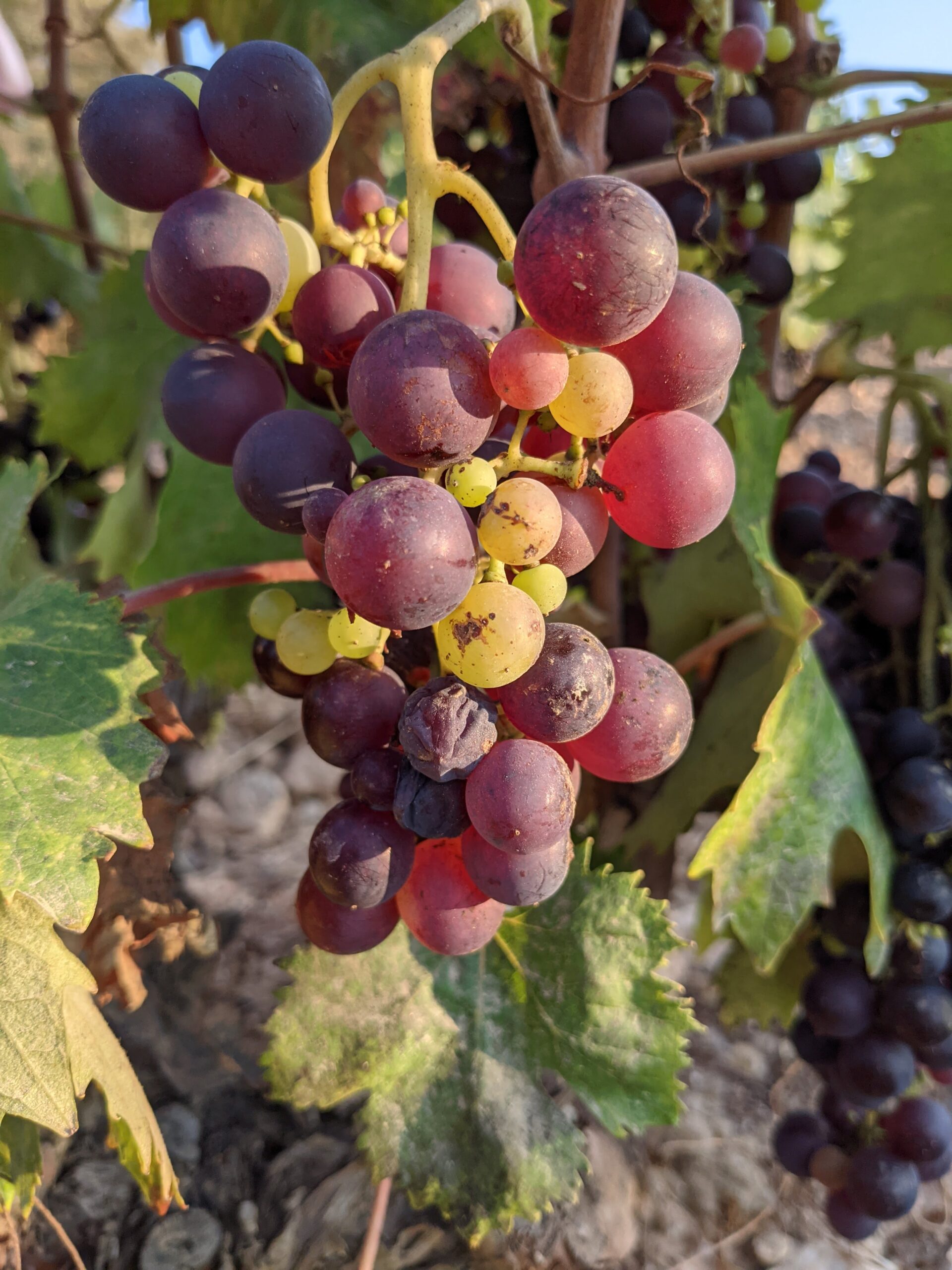
Recommended Summer Rosé
- Recommended Summer RoséFamille Quiot Domaine Houchart Côtes de Provence (Rosé) 2025
Pale coral with bluish edges and evident blue fruit on the nose, leading us to think of Syrah, although there is, apparently, none in the blend. On the palate the blue fruit continues with a hint of spice and a honeyed, floral finish. Energetic acidity and soft perfumed fruit, this is an easy drinking fruit forward rosé for drinking while young and fresh.
- Recommended Summer RoséDomaine Saint-Jean de Villecroze Lunar Rosé (Rosé) 2025
Very pale shell. Restrained on the nose with white peach, white stone fruit and a hint of orchard blossom. A hint of spritz on the palate; very mineral and saline. Crisp, juicy, approachable and elegant.
- Recommended Summer RoséComptoir des Vins de Flassans (Artesans) Les Secrets (Rosé) 2025
Very pale shell. Crunchy red fruit on the nose with pretty violets and blue-black fruit. The palate is pretty, slightly saline, and features crunchy spice. Blue and silky. Crunchy and easy-drinking.
- Recommended Summer RoséAccent & Nuances Le Paradou (Rosé) 2025
A confident rosé with a salmon pink hue and red fruit aromas. On the palate, strawberries and cream and ripe cherries give a soft fruity roundness with dark minerality mid-palate adding a bit of weight.
- Recommended Summer RoséChâteau d’Astros Absolu (Rosé) 2025
Pale coral pink with ripe red fruit aromas with a hint of creaminess. On the palate there is some rich creaminess and fruity concentration. finishing with some pretty phenolic grippiness. Lovely seriousness and concentration and a clear step away from many pale and insipid rosés, but we feel this needs some time to settle down more harmoniously and be ready for this autumn.
- Recommended Summer RoséChâteau Canadel Bandol (Rosé) 2025
Pale coral pink with hints of white grapefruit and red berries on the nose. Quite citrusy, crunchy and zesty on the palate, the silky acidity takes a back seat to the serious, structured Mourvèdre. Drinking nicely now, but will be even more exciting in a year.
- Recommended Summer RoséMarrenon Triniti Ventoux (Rosé) 2025
Salmon pink with fruity aromas. On the palate, lots of fun, bubbly fruit. Raspberries, cherries, blackberries and damsons. Really fun and fruit-driven. Not a wine for anyone looking for ageworthiness or complexity, but in the style of a Beaujolais Nouveau, if you want something fruity, approachable and crowd-pleasing in the pool, look no further.
- Recommended Summer RoséBastide de Blacailloux Miraia (Rosé) 2025
Very pale shell pink with restrained aromas. Pretty silky texture on the palate, with a delicate and lacy structure. White fruit is balanced by crisp acidity. Elegant and ethereal, this is very much in the less-is-more style of rosé.
- Recommended Summer RoséDomaine Saint-Jean de Villecroze Domaine St Jean Rosé (Rosé) 2025
Very pale salmon with restrained but pretty soft red fruit, citrus and delicate perfume aromas. On the palate crisp acidity, delicate, crunchy red apples, pretty raspberries and a whisper of red flowers. An elegant, straightforward crowd-pleaser at a summer lunch party, especially if the price is right.
- Recommended Summer RoséChâteau de Calavon Roquerousse (Rosé) 2025
Very pale coral with lovely intense aromas of dark fruit, subtle blood orange, hints of tropical flowers and a touch of spice. On the palate, vibrant citrus and grapefruit acidity leads the way. Pretty, youthful, and lots of fun with some fine mineral notes and textural grip on the finish. This is still young and needs some time to allow the gorgeous fruit to come to the fore.
- Recommended Summer RoséDomaine de la Courtade Alycastre (Rosé) 2025
Pale pink, restrained aromas, opening out to a beautiful intensity and ripe concentration on the palate. There is some seriously concentrated white fruit fruit with some really charming salinity and minerality which serves to remind you that this wine comes from an island - and you can almost taste the sea. Still quite closed but with potential for ageing.
- Recommended Summer RoséHostellerie des Vins de Rognes Pierre de Taille (Rosé) 2025
Very pale shell. Restrained but crunchy red fruit with some pink grapefruit and a tiny hint of red-tinged peaches. Crunchy and zippy on the palate, featuring pretty red berries and zesty citrus acidity. Summery, straightforward, and a little phenolic and mineral - absolutely a rosé for lovers of Pinot Grigio. A classic summer crowd-pleaser.
- Recommended Summer RoséChâteau Gassier Côtes de Provence (Rosé) 2025
Very pale shell. Crunchy citrussy fruit on the nose with pink grapefruit and fresh, zippy strawberries. Zesty, crunchy, lightly pithy, and full of energy on the palate. A hint of spritz and chalky acidity. A classic Provence rosé.
- Recommended Summer RoséChâteau du Seuil La Réserve (Rosé) 2025
Very pale shell pink and restrained aromas. On the palate the fruit is ethereal and delicate with some crunchy red berries, white peach, crisp, slightly zippy acidity and fine minerality that gives pointed length.
- Recommended Summer RoséChâteau des Ferrages Roumery (Rosé) 2025
Very pale coral pink and restrained aromas. On the palate there is some vibrant white stone fruit, a touch of red berries, crisp acidity and grounded by a slightly dark, schistous minerality. Refreshingly thirst-quenching.
- Recommended Summer RoséMas Lauris Les Terres de Mas Lauris (Rosé) 2024
Pale creamy shell pink with pretty aromas of leafy freshness, white stone fruit, black berries, a whisper of wild hedgerow fruit and a hint of honeysuckle and floral notes. On the palate there is fresh acidity with notes of pears, orchard blossom, a hint of spice and some dark blackberries. Delicate, lacy and fresh with a hint of phenolics on the finish, contributing some barely there texture.
- Recommended Summer RoséDomaine Gavoty Grand Classique (Rosé) 2025
Very pale coral pink, the restrained nose opens up to some pretty spice and subtle hedgerow fruit with a hint of wild raspberries. Zippy acidity on the palate gives a crunchy crispness to partner the almost sweet, very ripe raspberry fruit. A pretty summer .
- Recommended Summer RoséChâteau Val Joanis Cuvée Joséphine (Rosé) 2025
Very pale shell. Quite a lot of crunchy pink grapefruit and red berries. Big explosion of red berries on the palate, tidied up by some slightly saline grapefruit and pithy citrus. Crisp, crunchy, a bit of a crowd-pleaser.
- Recommended Summer RoséChâteau Maravenne Collection Privée (Rosé) 2025
Pale shell. Some silky blackberries, hedgerow fruit, and white citrus on the nose. Surprisingly silky and soft on the palate, with the acidity gently hidden away by full-bodied glycerol and silkiness. The finish is a little pithy and phenolic. Pretty, but forgettable.
- Recommended Summer RoséDomaine des Alpilles Le Rosé (Rosé) 2025
Light to moderate salmon pink. Ripe red fruit aromas. The palate offers delicate red fruits alongside crisp, zesty citrus. Closed, mineral, taciturn, and somewhat unyielding, marked by a hint of spritz and some phenolics. Very mineral, linear, and precise. Perfect for those looking for freshness above all else.
- Recommended Summer RoséChâteau la Canorgue Luberon (Rosé) 2024
Pale shell peach pink and delicate aromas of sweet, ripe red fruit. On the palate there is pretty and charming pêche melba fruit of ripe peaches and redcurrants balanced by some crunchy, barely-ripe red fruit and pithy acidity, and a silky texture creating a very fresh, pretty wine with some extra depth from some saline, mineral notes on the finish.
- Recommended Summer RoséDomaine De La Portanière Bove (Rosé) 2025
Very pale coral. Restrained stone fruit, pretty yellow peaches and pêche de vigne on the nose with a tiny touch of rosewater perfume. Elegant, lightly perfumed and very, very delicate on the palate. Pretty and ephemeral, though one might wish for a bit more red fruit and concentration.
- Recommended Summer RoséChâteau Barbeyrolles Pétale de Rose (Rosé) 2025
Very pale shell pink with retrained aromas. Soft white stone fruit and light white floral notes on the palate, the high acidity drives a crisp, linear, very mineral profile. Elegant and very straightforward; save this for the very hottest summer days!
- Recommended Summer RoséChâteau Gassier Le Pas du Moine (Rosé) 2025
Pale shell with pinkish-purple hints. Some blue fruit and some spice on the nose, showing strong Syrah typicity. Crunchy, fresh citrus acidity, ripe blue-black fruit and spiciness notes on the finish. A classic Provence rosé with a bit more weight than many and perfect for a more serious pool party!
- Recommended Summer RoséDomaine de la Navicelle La Navicelle (Rosé) 2025
Very pale shell. Straightforward and classic on the nose with blue florals, pink grapefruit thiols and a touch of leesiness. On the palate, it is vibrant, mineral and crisp, offering a good intensity of ripe, rich dried apricots and zesty lemon that is missing in many rosés this vintage. Not a complex wine, but very pretty, though slightly let down by a chalky finish and a hint of bitterness.
- Recommended Summer RoséMas de Cadenet – Famille Négrel Sainte-Victoire (Rosé) 2025
Pale shell pink with restrained aromas of orchard fruit and pink citrus. On the palate there is crisp, crunchy acidity and fresh, charming and elegant summer fruit. Nice ripe weight mid-palate is well-integrated with the acidity. Simple but approachable, elegant and refreshing finishing with a slightly phenolic, grippy note that suggests it might open up in the future, but in the meantime, enjoy the crisp crunchy elegance.
- Recommended Summer RoséMaison Mirabeau One Day (Rosé) 2025
Very pale shell pink. Sweet fruity aromas of white peaches, tropical fruit and fresh thiols. A delicate, crunchy, pretty summer rosé with a sweet exotic spiciness.
- Recommended Summer RoséChâteau d’Esclans Whispering Angel (Rosé) 2025
Pale peach pink. Hints of pretty white flowers and dry, fresh, pithy white peach on the nose. The palate shows lovely ripeness with a beautiful intensity of crisp, crunchy red fruit and fine mineral acidity. Great balance, featuring quite tight chalky minerality and slightly lacy sandy notes towards the finish. Elegant, pretty, and a very charming, quaffable wine.
- Recommended Summer RoséChâteau Pigoudet La Chapelle (Rosé) 2025
Very pale shell. Restrained and delicate on the nose. Generously spritzy on the palate, carrying red fruit alongside pretty, ripe, softened peaches and yellow stone fruit. Ripe, elegant, thirst-quenching, and lightly chalky on the finish.
- Recommended Summer RoséChâteau Léoube Rosé de Léoube (Rosé) 2025
Pale whisper of pink and delicate aromas of white stone fruit and and fresh citrus notes. On the palate it contiunes with a featherweight delicacy with crisp, zesty mineral freshness, and faint leafiness, menthol fruit and citrussy spritz. Finishing with a taut concentration, austereness and a saline twist reflecting the vineyards proximity to the sea.
- Recommended Summer RoséChâteau La Martinette Côtes de Provence (Rosé) 2024
Prettiness is the name of the game here. From the pretty, pale coral hue through aromas of pretty, ripe stone fruit and gently perfumed red apples to the elegant palate with lightly spiced fruit, classic, fresh minerality and finishing with prettily fragranced fruit.
- Recommended Summer RoséCommanderie de Peyrassol Le Clos de Peyrassol (Rosé) 2025
Delicate salmon pink with a whisper of red fruit aromas. The palate follows up with crisp red berries and crunchy acidity balanced by the ripeness of the vintage. An approachable summery Provence rosé, working hard to balance freshness with weighty ripeness.
- Recommended Summer RoséMarrenon Petula (Rosé) 2025
Pale shell. Lots of soft orchard fruit and stone fruit on the nose, hints of apple blossom and some white grapefruit. On the palate, subtly creamy, sweet almond blossom, scented orchard blossom and crunchy green apples. The vibrant acidity needs time to take a back seat to the pretty fruit.
- Recommended Summer RoséMas des Infermieres Source (Rosé) 2025
Very pale salmon pink with restrained aromas. Crunchy and zippy acidity on the palate and hints of red fruit. Delicate, fresh and easy-drinking.
- Recommended Summer RoséChâteau Maravenne Grande Réserve (Rosé) 2025
Pale shell pink. A hint of citrus and some red fruit on the nose. Elegant, simple, and crunchy on the palate. Pretty and floral with some red fruit, nice minerality, and phenolic grip on the finish. A pretty rosé, very classic.
- Recommended Summer RoséMarrenon Seasons (Rosé) 2024
Pale shell pink with delicate, gentle peach and strawberry fruit. aromas. Pretty red fruit on the palate. Simple, crisp and elegant with some firm lavender and violet minerality, good long acidity and a firm phenolic finish giving a grippy dryness.
- Recommended Summer RoséMaîtres Vignerons de la Presqu’île de Saint-Tropez Héritage (Rosé) 2025
Shell peach pink. Restrained on the nose with pretty, soft peach and orchard fruit. The palate shows crunchy citrus, red berries, white peaches, and green apples. Nice fruit with fresh acidity, but incredibly delicate, verging on featherweight. Simple and elegant.
- Recommended Summer RoséChâteau Pesquié Terrasses (Rosé) 2025
Delicate peach pink and restrained aromas. On the palate, it has a chalky texture and almost quartz-like acidity. Very mineral, rigorous and structural. There is some white citrus acidity, barely ripe raspberries, prioritising linearity and freshness.
- Recommended Summer RoséChâteau Sainte Roseline Collection (Rosé) 2025
A standout rosé from Sainte Roseline that very unusually contains nearly 50% Tibouren in most vintages. Very pale shell peach, almost white with delicate aromas of pretty red fruit, bruised red berries, crushed raspberries, pink-tinged pêche de vigne and wild strawberries. On the palate there is some elegant and rather lovely fruit-driven structure. Full-bodied and rounded with lots of ripe red fruit and pretty acidity. Zesty, fruit-driven, elegant and rather fun.
- Recommended Summer RoséChâteau des Bormettes L’Argentière (Rosé) 2025
Pale shell pink with delicate aromatics of ripe white fruit. On the palate there is some weighty ripe fruit and pithy acidity with very juicy red berries, strawberries, and raspberries that are soft, crunchy, and lightly textural. Charming, elegant, summer-drinking.
- Recommended Summer RoséChâteau de Mille Les Clefs de Mille (Rosé) 2024
Pale shell pink with restrained creamy aromas, gentle white peach and pretty orchard fruit. Simple, fresh and delicate on the palate with a hint of redcurrant acidity, a very fine mineral backbone and long wild red berry acidity. A little pithy and phenolic on the finish giving texture. An easy-going charm for gentle easy drinking.
- Recommended Summer RoséChâteau La Mascaronne Grande Réserve (Rosé) 2024
Pale peach colour. Restrained on the nose with a hint of spice, peach and and dark hedgerow fruit. Pretty balance on the palate, with just enough crisp mineral citrus acidity to cut through the dark fruit. There is some concentrated weight, with phenolics on the finish.
- Recommended Summer RoséSylvain Morey La Bastide du Claux Panorama (Rosé) 2024
Pale creamy, coral pink. Creamy, bruised fruit aromas. This continues on the palate, with some good structure, weight, salinity and pithy acidity. Despite the colour, this has the weight and phenolics of a light red wine.
- Recommended Summer RoséChâteau de Roquefort Corail (Rosé) 2025
Pale salmon, paler than in previous vintages with lots of juicy strawberries on the nose. On the palate; crunchy, zippy and straight-talking. Fun and crunchy with no pretensions.
- Recommended Summer RoséChâteau Vignelaure Coteaux d’Aix-en-Provence (Rosé) 2025
Very pale shell pink. Very delicate and elegant with restrained, slightly floral aromas of sour red berries, hints of blue violets and some ripe strawberries, On the palate the fruit is silky, well-balanced and very easy-drinking on the palate with long, crisp, crunchy acidity and a pithy, textured finish. Showing the fresh elegance of higher altitude northern Provence, it is a wine of high potential that is just screaming for another year of ageing. Not as gorgeous as the 2024 which had more fruit from the Cabernet and was a bit more weighty and concentrated.
- Recommended Summer RoséMaîtres Vignerons de la Presqu’île de Saint-Tropez Les Voiles (Rosé) 2025
Very pale shell pink with pretty, delicate, white floral notes and a hint of stone fruit. on the nose. On the palate some lovely richness ripe white fruit, red berry pippiness, and a rather charming chalky and saline minerality and vibrant, taut wild red berry acidity. Pretty, zesty, refreshing and elegant.